Outdoor AC Unit Noises and What They Usually Mean
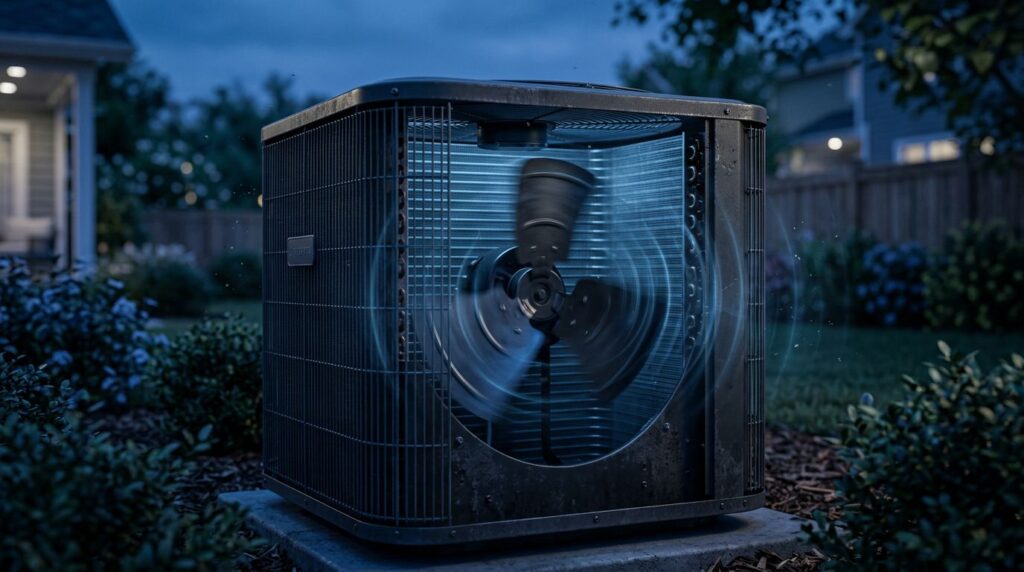
Outdoor AC unit noises are rarely something we should ignore and hope goes away. That clanking, buzzing, screeching, or rattling sound can be caused by loose components, a failing motor, or a problem that puts the compressor at risk.
In Northport and Tuscaloosa, an air conditioner often runs hard for long stretches. Small mechanical problems can quickly lead to a system failure or damage to the compressor when the heat and humidity settle in.
The sound matters, but so does what the system is doing while it makes it. Cooling performance, cycling patterns, ice, and breaker trips help us narrow down the real issue.
Key Takeaways
- Don’t ignore changes in sound: Any sudden, sharp, or unusual noise from your outdoor AC unit is often a warning sign of a mechanical or electrical issue that requires attention.
- Know which sounds are urgent: While a light rattle might be loose debris, sounds like grinding, screeching, or persistent electrical buzzing are critical red flags that warrant turning off the system to prevent major damage.
- Safety first with electrical issues: Never attempt to touch or repair electrical components like capacitors or contactors yourself, as they can hold a dangerous high-voltage charge even when the power is off.
- Perform simple, safe checks: You can safely inspect for external debris, level pads, or signs of ice buildup, but avoid opening the cabinet or poking tools through the protective grille.
- Maintenance prevents noise: Scheduling regular professional tune-ups helps identify worn components and keeps the system clean, which reduces vibration and noise while extending the life of your equipment.
Start With the Type of Outdoor AC Noise
Every condenser unit makes some sound. We expect a steady fan noise, a humming noise from the compressor, and a brief clicking noise when the system starts or stops. What we don’t expect is a noise that is sudden, sharp, repetitive, or louder than usual.
A change in sound is often the first warning sign. The outdoor unit contains moving parts, electrical components, refrigerant lines, and a compressor. When one of those parts starts failing, it usually announces itself through abnormal sounds.
This quick guide helps separate common outdoor AC unit noises from sounds that need prompt attention.
| Sound from the outdoor unit | What may be happening | What we should do |
|---|---|---|
| Rattling noise | Loose panel, screw, debris, or fan guard | Check for visible debris, schedule service if it continues |
| Buzzing noise | Electrical issue, failing contactor, loose wiring, or compressor trouble | Turn the system off and call for AC repair |
| Screeching noise | Worn fan motor bearings or a failing motor | Shut it down and arrange a repair soon |
| Grinding noise | Motor bearings or compressor components may be damaged | Stop running the unit and call a technician |
| Banging noise | Loose fan blade, damaged compressor parts, or loose hardware | Turn the system off before more damage occurs |
| Hissing noise | Refrigerant leak or pressure issue | Have a qualified technician inspect it |
| Clicking noise that repeats | Electrical control problem or a failed start component | Schedule service, especially if cooling is weak |
A single light rattle can be as simple as a loose access panel. A loud metal on metal sound is different. If we can hear it inside the house with the windows closed, the system needs attention.
If an outdoor unit makes a grinding, screeching, burning, or repeated buzzing sound, we shouldn’t let it keep running to see if it clears up.
Why an AC Condenser Rattles, Buzzes, or Bangs
The outdoor condenser sits through rain, wind, pollen, leaves, insects, and long Alabama summers. Even a well-built unit can develop noise as parts loosen and wear over time.
Rattling Often Points to Loose Hardware or Debris
A rattling noise often stems from loose hardware or accumulated debris. A loose screw, bent panel, or vibrating fan guard can create this sound, while twigs, leaves, and mulch can collect around the base of the outdoor condenser. If debris enters the fan area, the sound may become sharper or more rhythmic.
We can look from the outside with the system off. Clear leaves and loose yard debris around the unit, but do not reach through the top grille or remove panels. The fan can start without warning if the thermostat calls for cooling.
The concrete pad beneath the unit also matters. If the pad has shifted or the unit is no longer level, vibration can travel through the cabinet and refrigerant lines. That can make a normal operating hum sound far louder than it should.
Buzzing Can Be an Electrical Warning
A buzzing noise coming from the unit is a concern we take seriously. These electrical issues often stem from a failing capacitor, a faulty contactor, or loose wiring. In other cases, the compressor is struggling to start.
The condenser stores high-voltage power even after the thermostat is turned off. A capacitor can hold a dangerous charge, so this is not a part to test, touch, or replace without professional training.
If the noise comes with warm air indoors, a tripped breaker, smoke, or a burning odor, turn off the AC and request emergency AC repair. Repeated breaker trips are not a reset and forget problem.
Banging May Mean the Fan or Compressor Has Trouble
A banging noise usually indicates a mechanical conflict. A fan blade can loosen, bend, or strike the protective cage, creating a knocking or clanking sound that accelerates as the fan speeds up.
Banging can also come from inside the compressor. The compressor is the sealed component that moves refrigerant through the system. Internal damage is more serious, and continued operation may turn a repairable problem into a costly replacement discussion.
We do not try to diagnose these issues by opening the cabinet. A professional technician can inspect the fan assembly, electrical components, refrigerant pressures, and compressor operation safely.
Why a Screeching Noise, Grinding Noise, or Hissing Noise Needs Fast Attention
Some sounds are more urgent because they point to friction, pressure trouble, or a system that is close to shutting down.
A screeching noise from the outdoor unit often means the condenser fan motor bearings are worn. Older components may become noisy before they fail completely. Once the fan motor stops, the compressor can overheat because it no longer has airflow moving across the condenser coil.
A grinding noise is more severe. It can mean bearings inside the fan motor have deteriorated, or it may point to internal compressor damage. Either way, the sound indicates that parts are rubbing where they should move smoothly.
A hissing noise often indicates a refrigerant leak, though air moving through a tight opening can also make a similar sound. Refrigerant issues often come with weak cooling, ice on the refrigerant line, longer run times, or rooms that never get comfortable.
Weak cooling plus a new outdoor noise is a reason to call for professional assistance before the next hot afternoon. In West Alabama, a system that struggles at noon can lose the battle completely by late day.
For landlords and property managers, this matters even more. A loud unit can quickly become an after hours no cooling complaint, especially in homes with older equipment or poor airflow. Fast diagnosis protects the equipment and gives tenants a safer, more comfortable space.
What We Can Check Before Calling for AC Repair
We can make a few safe observations before scheduling service. Providing these details helps a qualified HVAC technician arrive with a clearer picture of the problem, potentially saving time on your repair.
First, stand a few feet from the outdoor unit and listen. Does the noise happen only at startup? Does it continue through the entire cooling cycle? Is the fan spinning normally?
Then, check the thermostat and your indoor comfort level. Note whether the house is cooling correctly, whether air from the vents feels weak, and whether the air conditioning system is turning on and off every few minutes.
We can also look for obvious warning signs:
- Water pooling near the indoor unit or a ceiling stain near the air handler
- Ice on the insulated refrigerant line or outdoor coil
- A breaker that trips after the AC starts
- A fan motor that hums but does not spin
- Bent grille panels, loose screws, or visible debris near the condenser
- A burning smell, smoke, or sparks near the equipment
Keep shrubs, grass, and stored items away from the condenser. The unit needs open space to release heat. A blocked coil makes the system work harder and can add strain to the compressor and fan motor.
We should avoid a few common mistakes. Don’t spray the unit with a pressure washer. Don’t poke wire or tools through the fan grille. Don’t keep resetting a tripped breaker. And don’t add refrigerant from a store-bought can without finding the leak or confirming the system’s charge. If these troubleshooting steps do not resolve the issue, a professional HVAC inspection is recommended to prevent further damage.
Turning the AC off early can save a motor or compressor that would fail if it keeps running under strain.
When to Call Northport HVAC Right Away
Some outdoor AC noises can wait for a regular appointment. Others need same-day attention, especially during a heat wave.
Call for AC repair Northport AL when the outdoor unit is loud and the home is not cooling. We also recommend prompt service if the system runs nonstop, short cycles, freezes up, or starts tripping the breaker. Staying on top of routine maintenance can often prevent these urgent issues from developing in the first place.
Call for emergency help when there is smoke, a burning smell, sparking, a loud electrical buzz, severe grinding, or no cooling during dangerous heat. Children, older adults, pets, and people with health concerns can feel the effects of indoor heat quickly.
Northport HVAC provides 24/7 service across Northport, Tuscaloosa, Coker, Samantha, and nearby West Alabama communities. Every licensed, insured, and NATE-certified HVAC technician on our team is qualified to work on Trane, Carrier, Rheem, Lennox, Goodman, and Mitsubishi mini-split systems.
We give upfront pricing before repairs begin, so we can make a clear decision without surprise fees. If a repair makes sense, we explain the failed part and the work needed. If the equipment has ongoing problems, we can compare repair and replacement honestly.
Routine Heating and Cooling Service Helps Keep Noises Away
Staying on top of routine maintenance is the most effective way to prevent minor issues like wear, dirt buildup, or vibration from turning into major repairs. Scheduling regular service gives us a chance to address these components before the summer heat puts your system under maximum load.
During a heating and cooling tune-up, we inspect electrical connections, cabinet condition, coil cleanliness, and overall system operation. We also examine the fan motor and verify that the condenser unit is operating efficiently, as these components often produce sounds that homeowners may not notice during a quick walk through the yard.
A clean outdoor coil matters more than many people realize. Dirt, cottonwood fluff, pollen, and grass clippings trap heat around the unit. The fan and compressor then have to work harder, which can lead to louder operation and higher utility bills.
For your Tuscaloosa air conditioning system, spring service is usually the best time to prepare for heavy summer use. Still, maintenance at any point is better than waiting for a noisy machine to turn into a complete breakdown.
Frequently Asked Questions
Is it safe to keep running my AC if it is making a loud noise?
Generally, no. If the unit is making grinding, screeching, or heavy banging sounds, you should turn the system off immediately to prevent further damage to the compressor or motor, which are often the most expensive parts to replace.
Can I fix a rattling noise myself?
You can safely walk around the unit while it is off to clear away loose twigs, leaves, or yard debris that may have collected at the base. However, if the rattle persists after clearing debris, it may involve loose internal hardware that requires a professional technician to tighten safely.
Why does my AC unit buzz?
A buzzing noise is typically an electrical warning sign, often caused by a failing capacitor, a faulty contactor, or loose wiring. Because these components involve high-voltage power that remains present even after the unit is switched off, you should contact a professional immediately.
What does it mean if my AC is making a hissing sound?
A hissing noise usually indicates a refrigerant leak or a pressure issue within the system. If you hear this, you may also notice that your home is not cooling effectively or that ice has formed on the refrigerant lines, and you should call a technician to inspect the lines.
A Loud AC Unit Is Giving Us Useful Information
Outdoor AC unit noises are rarely meaningless background noise, even if they are not all immediate emergencies. While a simple rattle might only point to loose components that need tightening, other sounds serve as urgent warnings. A persistent screeching noise, a harsh grinding noise, or a sudden buzzing noise should be treated as red flags that it is time to shut the system down and seek professional help.
The faster we identify these sounds and their underlying causes, the better chance we have of protecting our home comfort, indoor air quality, and the longevity of the equipment itself. A quiet, steady-running condenser is typically the best sign that your system is functioning efficiently and without unnecessary strain.