AC Electrical Systems: Find Cooling Problems Safely
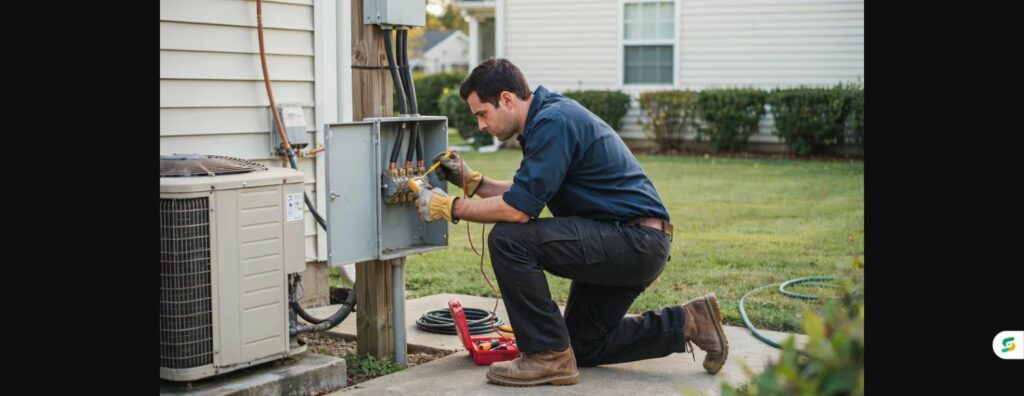
An air conditioner can stop cooling because of an electrical fault even when the thermostat screen still looks normal. AC electrical systems control the power, motors, capacitors, contactors, safety switches, and control board that keep cooling equipment running.
West Alabama heat and humidity put long hours on those parts. You can complete a few safe checks, but panels, wiring, capacitors, refrigerant controls, and internal components need a licensed technician. Knowing the warning signs helps you protect the system and get help before a small issue becomes a sweltering afternoon indoors.
AC Electrical Systems: The Parts That Keep an Air Conditioner Running
An air conditioner’s electrical system moves power and instructions between the breaker, thermostat, indoor equipment, and outdoor condenser. The thermostat requests cooling, while the rest of the system decides whether conditions are safe to run.
The breaker protects the circuit. The indoor air handler or furnace moves cooled air through the home. Outside, the condenser houses the compressor, fan motor, and controls that release heat from the refrigerant.
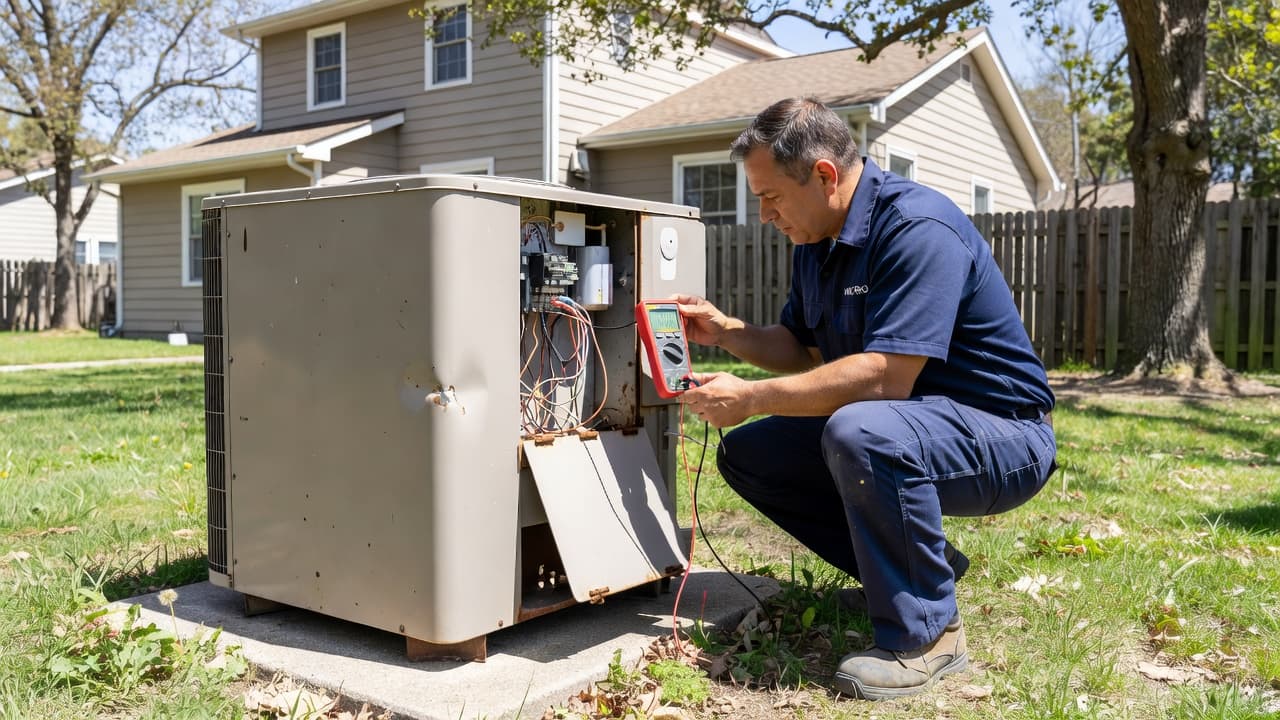
Equipment layouts differ between Trane, Carrier, Rheem, Lennox, Goodman, and Mitsubishi mini-split systems. Still, the basic job remains the same: deliver the right power at the right time and stop operation when a safety control finds a problem.
How the thermostat, breaker, and control board work together
When your thermostat calls for cooling, it sends a low-voltage signal to the system. The control board directs the indoor blower and tells the outdoor equipment to start. Then the contactor sends high-voltage power to the outdoor fan and compressor.
Safety controls can interrupt that sequence when they detect unsafe pressure, drainage trouble, overheating, or another fault. A tripped breaker, failed thermostat signal, loose connection, or damaged control board can stop cooling at any point.
A running thermostat display only confirms that it has power. It does not confirm that the outdoor condenser, compressor, or blower motor received the command.
Why capacitors, contactors, motors, and safety switches matter
Capacitors store electrical energy that helps motors start and continue running. The contactor is an electrically controlled switch that connects power to the outdoor components when cooling begins.
A weak capacitor may leave the unit humming without starting. A worn contactor can click, buzz, or send unreliable power. For a closer explanation of the symptoms tied to these parts, see this guide to AC capacitors and contactors.
Capacitors can retain a dangerous electrical charge after power is shut off. Don’t test or replace one yourself, and don’t bypass a safety switch to force the system to run.
Common AC Electrical Problems and the Warning Signs They Create
The same symptom can come from several different causes. Replacing a part or repeatedly resetting a breaker without diagnosis can damage equipment and hide the actual problem.
The AC will not start or keeps tripping the breaker
First, confirm that the thermostat is set to “cool” and the temperature setting is below the indoor temperature. You can check a tripped breaker once. If it trips again, leave it off and arrange service.
Possible causes include a failed capacitor, shorted wiring, damaged fan motor, a locked or failed compressor, overloaded circuit, or loose electrical connection. Burning odors, visible wire damage, smoke, or persistent buzzing call for an immediate shutdown.
A breaker that trips more than once is a warning, not an inconvenience to reset until the AC restarts.
Repeated resets can allow more current through a damaged component. That can turn a repairable electrical issue into a larger compressor, wiring, or control-board repair.
The outdoor unit hums, buzzes, or runs without cooling
A steady hum may point to a capacitor or motor that cannot start. Buzzing can come from a worn contactor, damaged wiring, loose electrical connection, or another electrical fault. Clicking without startup can also occur when the contactor tries to engage but power does not reach the motor correctly, as outlined in this contactor and capacitor troubleshooting reference.
Do not remove the outdoor cabinet or touch its wiring. Also skip the pressure washer, because high-pressure water can bend thin coil fins and force water toward electrical areas.
Long, humid cooling cycles in Northport and Tuscaloosa can expose a weak electrical part quickly. Shut the system off if the sound is loud, new, or paired with warm air.
The blower runs but the home still feels warm
Indoor airflow does not prove the outdoor system is working. Your thermostat fan may be set to “on,” or the indoor blower may run while the compressor and outdoor fan remain off.
Electrical causes can include a bad blower capacitor, motor, relay, control board, or loss of power to the condenser. However, clogged filters, frozen coils, restricted ducts, and refrigerant problems can cause similar symptoms.
We test the cooling sequence in order instead of guessing from one symptom. That approach avoids replacing a part that was never the problem.
Safe AC Electrical Troubleshooting Before Calling for Service
Homeowners can rule out basic settings and airflow issues without opening equipment. Keep every electrical panel closed, and treat unusual sounds or odors as reasons to stop the system.
Simple checks that do not require opening the equipment
Start with the low-risk items:
- Set the thermostat to “cool” and lower the set point a few degrees.
- Check that the filter is clean, correctly sized, and installed in the proper direction.
- Open supply registers and move furniture, curtains, or pet beds away from return grilles.
- Check that leaves, grass, and stored items are not packed around the outdoor unit.
- Look at the breaker once, but don’t repeatedly reset it.
Turn the system off and request urgent service if you find ice, water near electrical equipment, smoke, a burning smell, loud grinding, or heavy buzzing. A frozen coil also needs time to thaw before a technician can assess some system conditions accurately.
Electrical work that should stay with a qualified technician
Do not test capacitors, replace contactors, open disconnects, access control boards, repair wiring, add refrigerant, or bypass safety switches. Attic air handlers bring added risks from sharp metal, unstable footing, insulation, and live electrical components.
Licensed, insured, NATE-certified technicians can test voltage, amperage, grounding, connections, component condition, and safety controls in the correct order. Our AC repair service in Northport and Tuscaloosa includes clear diagnosis and upfront pricing before repair work begins.
How Maintenance Protects AC Electrical Systems in West Alabama
A summer breakdown often starts with strain that built up over time. Dust, a clogged filter, restricted airflow, moisture near the condensate system, and long run times make motors and electrical parts work harder.
Maintenance cannot prevent every failure. However, seasonal service gives us an opportunity to find loose connections, weak components, drainage issues, and poor airflow before the hottest stretch of the year.
Maintenance tasks that reduce electrical stress
A professional tune-up can include filter and airflow checks, accessible coil cleaning, condensate drain inspection, blower performance testing, thermostat checks, and inspection of electrical connections and safety controls.
Keep returns clear and avoid closing several supply vents to force air into one room. A large sectional pressed against a return grille can restrict circulation all day. When air cannot move freely, motors work harder and the system may freeze, overheat, short cycle, or wear out parts earlier.
Outdoor units also need breathing room. Remove loose leaves and grass from the pad, and keep shrubs trimmed back according to the equipment manual.
When repairs, replacement, or an inspection make sense
A single failed capacitor, contactor, relay, or motor can often be repaired when the rest of the system performs reliably. Replacement deserves a closer look when an older unit has repeated electrical failures, high repair costs, major compressor damage, unsafe wiring, or ongoing comfort problems.
Compare more than the equipment brand or the lowest price. Proper sizing, duct condition, airflow, thermostat setup, installation quality, manufacturer parts coverage, and the available 1-year labor warranty all affect long-term results.
Choosing the Right AC Electrical Service for Your Property
For homes, rentals, and commercial properties in Northport, Tuscaloosa, Coker, Samantha, and nearby communities, choose a company that diagnoses before recommending work. A reliable technician should explain the failed component, the safety concern, the repair options, and the complete price.
Look for licensed and insured technicians, NATE certification, emergency availability, written recommendations, respectful in-home work, and no hidden fees. Northport HVAC services and installs Trane, Carrier, Rheem, Lennox, Goodman, and Mitsubishi mini-split equipment, but accurate testing and proper sizing matter more than a logo on the cabinet.
Questions to ask before approving electrical AC repairs
Ask direct questions before authorizing the repair:
- What failed, and how did you confirm it?
- Is the system safe to run, or should it remain off?
- What does the total price include?
- Are parts and labor covered by a warranty?
- How will you test the repair after installation?
Landlords and property managers should request service records and photos when useful. Clear documentation helps track recurring failures, supports maintenance planning, and gives tenants a straightforward explanation of the repair.
A Safer Path Back to Reliable Cooling
Electrical faults can cause warm air, weak airflow, strange noises, breaker trips, and sudden shutdowns. Yet the visible symptom rarely identifies the failed part on its own.
Safe homeowner checks can rule out settings and airflow problems, while routine care reduces strain during West Alabama’s hottest, most humid months. Leave electrical repairs to trained technicians, especially when the system trips breakers, smells burnt, or makes loud noises.
Contact Northport HVAC for a professional inspection, maintenance visit, upfront repair estimate, or 24/7 emergency heating and cooling service in Northport, Tuscaloosa, Coker, Samantha, and surrounding West Alabama communities.