Spring HVAC Maintenance Checklist for Northport Homes
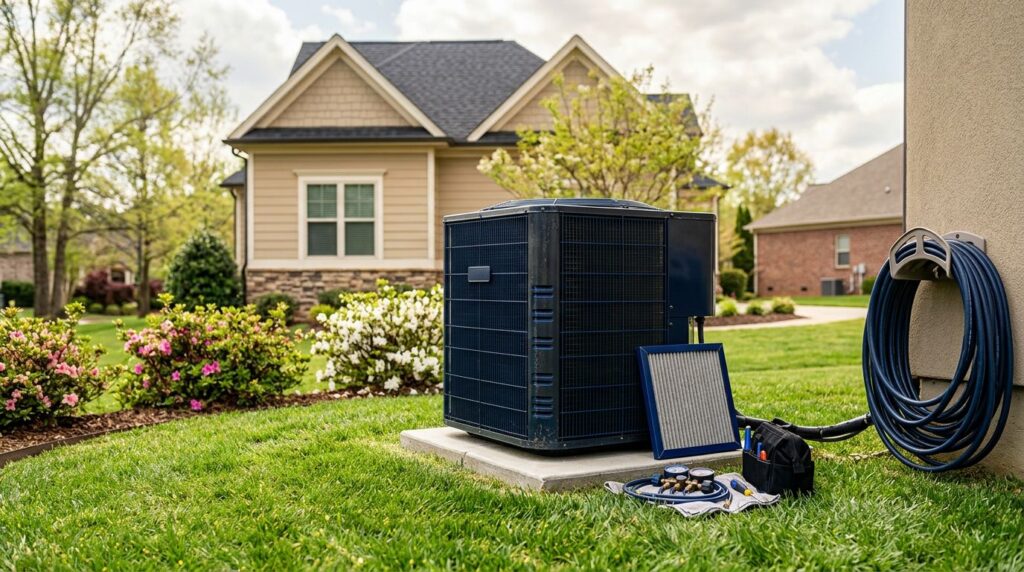
One missed spring chore can turn the first 90-degree stretch into a no-cooling call.
Northport and Tuscaloosa homes deal with long heat, heavy humidity, pollen, and sudden storms. Spring HVAC maintenance gives your air conditioning system a better chance of handling it all without wasting power or breaking down when you need it most.
A few jobs are safe to handle yourself and count as simple preventative maintenance. Others need a licensed technician, proper test equipment, and a clear diagnosis. Start with the easy wins before summer settles in.
Key Takeaways
- Clear debris and overgrown plants from around the outdoor condenser, then gently rinse the coil with low water pressure after turning off power.
- Replace a dirty or restricted air filter, keep return grilles and supply registers open, and set the thermostat to a steady, moderate cooling temperature.
- Check accessible condensate drain areas and ductwork for minor buildup, leaks, or damage, but stop if water backs up or the problem requires internal access.
- Schedule professional spring HVAC maintenance for electrical testing, refrigerant measurements, deeper cleaning, airflow diagnosis, and other work that should not be handled as a DIY repair.
- Turn the system off and call for service when you notice ice, weak cooling, loud electrical sounds, burning smells, repeated breaker trips, or water around the air handler.
Spring HVAC Maintenance Starts at the Outdoor Unit
Your outdoor unit, or condenser unit, moves heat away from the house. When leaves, grass clippings, mulch, or overgrown shrubs block the sides, airflow drops and the system works harder.
Clear room around the condenser unit
Start on a dry day, with the thermostat turned off. Keep at least two feet of open space around the sides of the condenser unit, then follow the equipment manual if it calls for more clearance.
Remove debris from the pad and trim back plants. Don’t store trash cans, patio furniture, pool supplies, or lawn equipment beside the equipment. Check the concrete pad for major settling or a noticeable tilt, but don’t try to level it yourself.
Look for damaged insulation on the larger refrigerant line, loose panels, or heavy dirt packed into the condenser coil. Those are good reasons to schedule service.
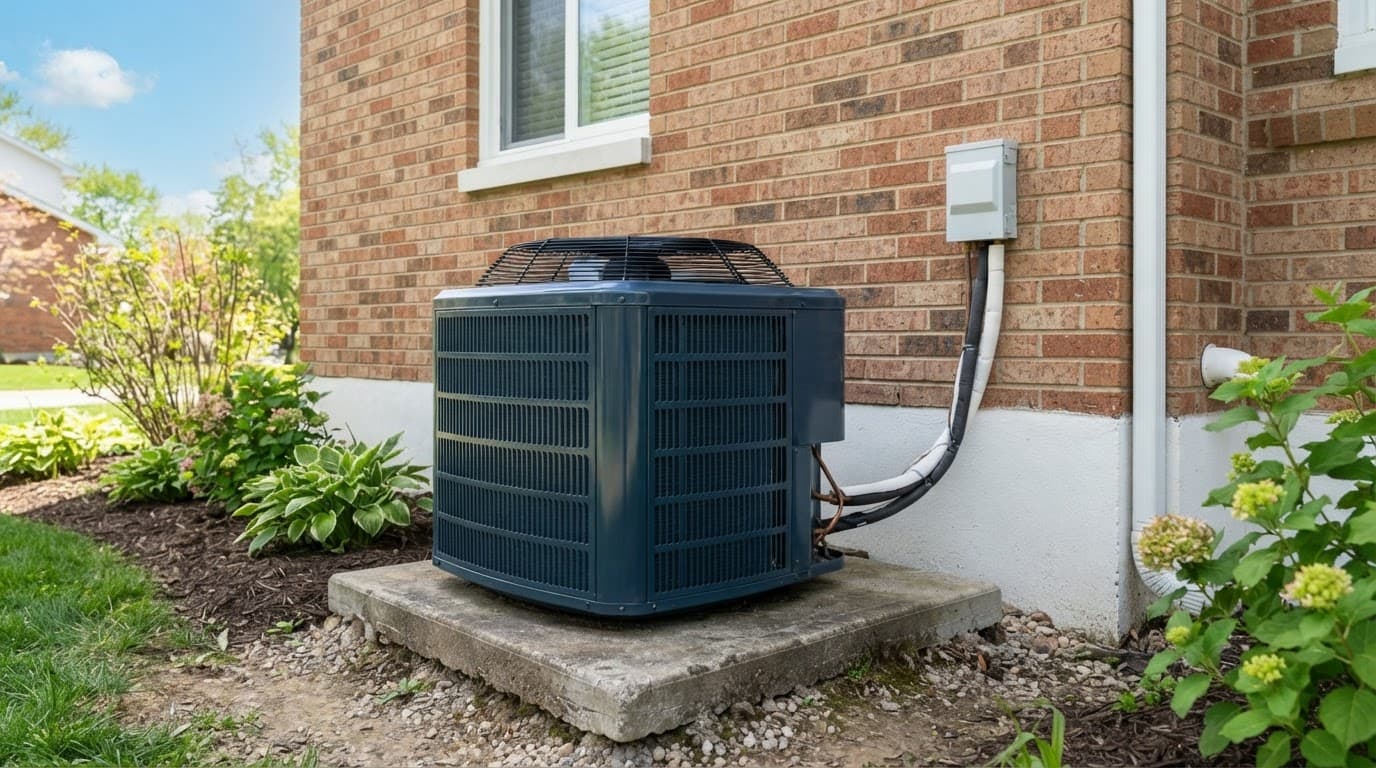
Clean the condenser coil without causing damage
Turn off power at the disconnect or breaker before cleaning. If you aren’t sure which breaker controls the equipment, leave this part to an HVAC technician.
Brush loose debris gently from the protective grille and cooling fins. Work in the same direction as the fins. Then rinse the coil with a garden hose using low, steady pressure.
A pressure washer can flatten thin aluminum fins in seconds, restricting airflow instead of improving it.
Never remove the top fan assembly, access the fan blades, or open sealed panels for a deeper clean. A correctly sized fin comb can help with a few lightly bent cooling fins, but large crushed areas need professional attention.
Keep Indoor Airflow Moving Freely
The outdoor unit gets attention because it’s easy to see. Inside, a neglected air filter or blocked return grille can create the same strain, while a clean one supports indoor air quality.
Check the filter before peak cooling season
Pull out the air filter and inspect it in good light. A gray, matted, bowed, or dusty filter needs replacement because it can reduce airflow. Install the correct size and type, with the filter arrow pointing toward the equipment.
During heavy cooling season, check filters monthly. Many homes replace the air filter every one to three months. Pets, smokers, renovation dust, and frequent visitors may shorten that schedule, and they can affect indoor air quality.
A very dense filter left in place too long can restrict circulation. In many homes, a standard pleated filter changed on time works better than an overly restrictive filter that stays put for six months.
Keep return grilles clear, too. A sectional pressed against a return vent can starve the system of air all day. Open supply registers throughout the home, and don’t close several vents to force more air into one room.
Confirm thermostat and vent basics
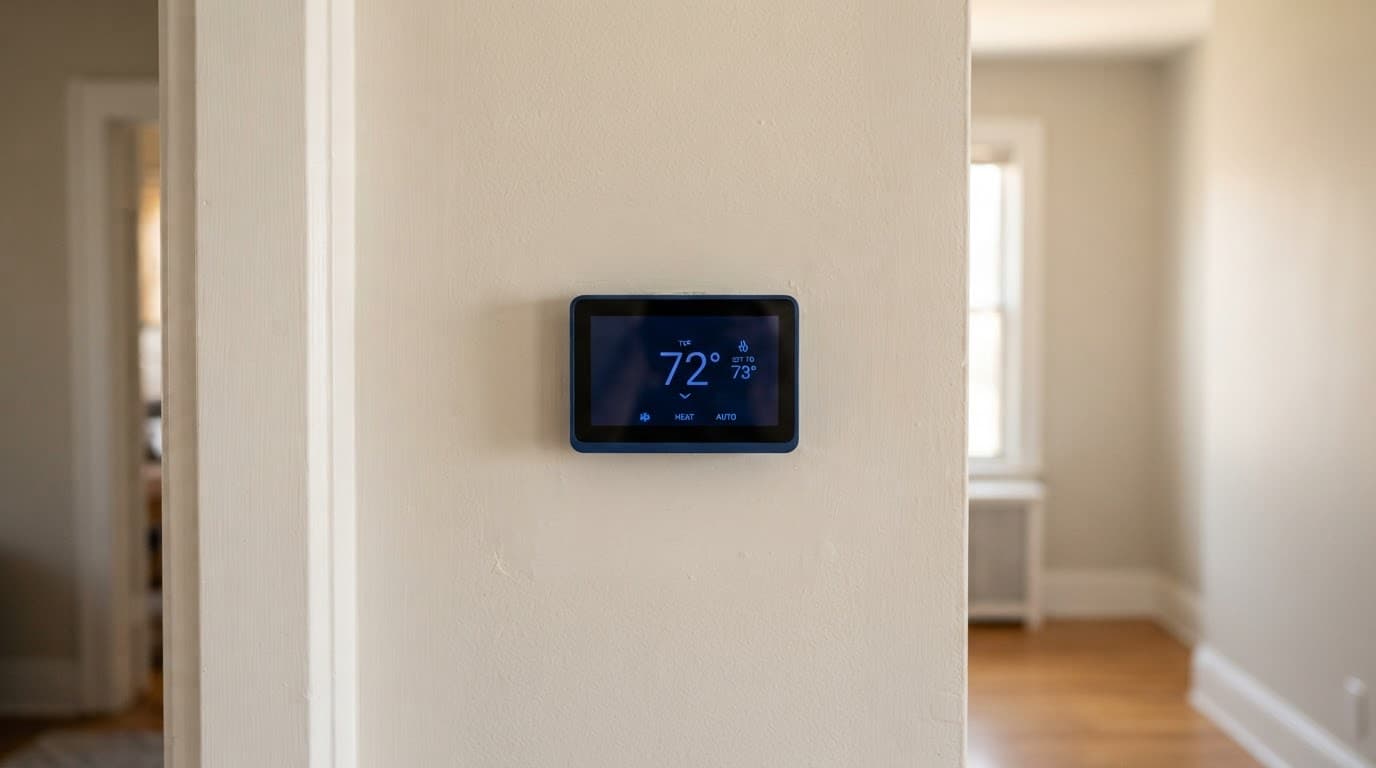
Set the thermostat to “cool” and keep the fan setting on “auto” during normal operation. A fan left on “on” can keep moving room-temperature air between cooling cycles, which makes the system seem less effective.
Vacuum dust from vent covers with a soft brush attachment. Don’t remove air-handler panels or try to clean the blower motor yourself. Electrical parts and internal components need a proper inspection.
Protect the Condensate Drain Line
Every air conditioning system creates moisture as it cools humid indoor air. That water needs a clear path out through the condensate drain line.
A clogged drain line can leave water near the air handler, cause musty odors, damage drywall, or trigger a drain safety switch that shuts the system down.
Clear minor drain buildup carefully
If your system has an accessible drain outlet and indoor cleanout fitting, use this careful order:
- Turn cooling off at the thermostat before working around the drain.
- Clear leaves, mud, and loose debris from the outdoor drain termination without pushing wire or tools into the pipe.
- Seal a shop vacuum hose around the outdoor outlet with a rag and run it for one or two minutes.
- At the indoor cleanout, place a towel below the cap and pour in a 50/50 vinegar and water solution. Replace the cap afterward.
Don’t use bleach, harsh drain chemicals, or a coat hanger. If water rises at the indoor cleanout, the pipe remains blocked, or you can’t identify the correct drain, stop and contact an HVAC technician.
Standing water, repeated shutdowns, or a full auxiliary drain pan need prompt attention. Those signs can point to more than ordinary algae buildup.
Set Thermostat Settings and Inspect Ductwork
A thermostat can’t make an air conditioner cool faster by being set dramatically lower. It only tells the system when to stop.
For most West Alabama homes, thermostat settings between 74 and 78 degrees offer a practical balance of comfort and energy efficiency. Pick a steady, moderate setting that works for your household and helps control utility bills. Raise it modestly when the home will be empty for extended periods, while keeping pets and indoor humidity in mind.
Look for obvious ductwork leaks
Check only duct sections you can reach safely, and don’t remove air-handler panels or clean internal components.
Dust streaks around seams, torn insulation, loose collars, and crushed flexible duct can all reduce comfort before cool air reaches the rooms.
Small accessible gaps at metal connections can be sealed with mastic or UL 181-rated foil tape. Skip standard gray cloth-backed duct tape. Its adhesive often fails under heat, humidity, and age.
Duct cleaning may help after remodeling, pest contamination, or heavy debris. It won’t repair ductwork leaks, disconnected runs, or collapsed flex duct.
When a room stays hot after basic checks, a local HVAC technician can test the system instead of guessing. A duct blaster and digital manometer measure leakage under controlled pressure. Register airflow readings can also separate a duct problem from a weak blower motor, dirty coil, or equipment issue.
Know When a Professional Tune Up Is the Right Move
Homeowner maintenance helps, but it doesn’t replace a full spring HVAC maintenance visit. Preventative maintenance can help extend equipment lifespan while giving a technician time to catch drainage trouble, electrical wear, dirty coils, and weak airflow before summer breakdowns.
During a professional visit, a licensed HVAC technician evaluates the components and service needs listed below. A preventative maintenance visit may include work that shouldn’t be DIY:
- Electrical connections, capacitors, safety controls, and blower motor performance need safe testing.
- Refrigerant levels require temperature and pressure measurements, not a guess or quick top-off.
- Refrigerant leaks, frozen coils, and compressor concerns need diagnosis before a repair is approved.
- Internal cabinet cleaning, deeper coil work, and difficult duct repairs call for the right tools and training.
At Northport HVAC, our licensed, insured, NATE-certified team works on Trane, Carrier, Rheem, Lennox, Goodman, and Mitsubishi mini-split equipment. Routine heating and cooling maintenance helps keep small problems from turning into a hot-house emergency. Homes with a heat pump may need the same type of seasonal inspection, although service details vary by system.
Watch for low refrigerant and other warning signs
An air conditioning system is sealed. If refrigerant is low, there may be a leak or an earlier service issue that needs to be found.
Warning signs include weak cooling, ice on the refrigerant line or evaporator coil, hissing sounds, longer run times, and humid indoor air. A dirty filter or blower problem can also create ice, which is why refrigerant work should never start with guesswork.
Warm air, loud buzzing, grinding, repeated breaker trips, or water around the air handler call for service. Review these AC warning signs to watch for before a minor fault damages more equipment.
For AC repair in Northport, AL, or a Tuscaloosa air conditioning failure, turn the system off if you smell burning plastic, see smoke, or hear loud electrical popping. Those situations can require emergency AC repair, not another filter change.
Keep warranty paperwork, installation records, and maintenance invoices together. Manufacturer coverage varies by model and registration terms. For new Northport HVAC installations, we provide a one-year labor warranty alongside applicable manufacturer parts coverage.
Frequently Asked Questions
How often should I replace my HVAC air filter?
Many homes need a new filter every one to three months, with monthly checks during heavy cooling season. Pets, smoking, renovation dust, and frequent visitors can shorten that schedule.
Can I clean my outdoor AC condenser myself?
Yes, if you turn off power first and gently brush away debris before rinsing the coil with a garden hose. Don’t use a pressure washer, remove the fan assembly, or open sealed panels for a deeper cleaning.
How do I know if the condensate drain line is clogged?
Standing water, musty odors, repeated system shutdowns, or a full auxiliary drain pan can point to a drain problem. You can clear minor accessible buildup carefully, but stop and call an HVAC technician if water backs up or the pipe remains blocked.
When should I schedule professional spring HVAC maintenance?
Schedule a licensed technician before peak cooling season for electrical testing, refrigerant measurements, drainage checks, and airflow diagnosis. Call sooner for weak cooling, ice, loud buzzing, repeated breaker trips, burning smells, or water around the air handler.
A Cooler Summer Starts With Small Checks
A few simple checks can prevent a surprising number of comfort problems and summer breakdowns. Spring HVAC maintenance is simple when you handle the safe tasks and leave electrical, refrigerant, and internal repairs to trained professionals.
When something looks wrong, pause before trying a shortcut. A proper diagnosis protects your equipment, your home, and your summer comfort.