Uneven Cooling Upstairs Downstairs in Alabama Homes
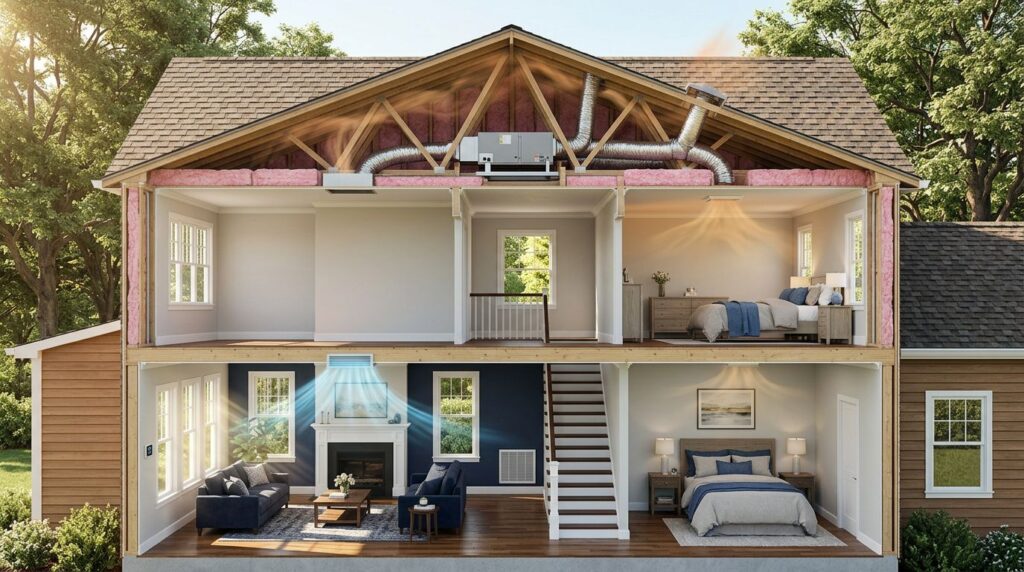
Your thermostat says 72, but the upstairs bedroom feels like a different house. In West Alabama, uneven cooling upstairs downstairs is one of the most common comfort complaints we hear once humidity and long summer afternoons settle in for a two-story home using central air conditioning.
The problem isn’t always an air conditioner that has gone bad. It often starts because warm air naturally rises toward the roof through a process known as the stack effect, then gets worse because of restricted airflow, leaky attic ducts, insulation gaps, thermostat settings, or equipment that was never sized for the home.
A few safe checks can narrow the cause. Persistent temperature swings need a real diagnosis, not a bigger AC unit and a hopeful guess.
Key Takeaways
- Heat rises, but major upstairs-downstairs temperature differences often point to airflow, duct, insulation, or sizing problems.
- A clogged air filter, blocked return grille, closed air registers, or a smart thermostat fan set incorrectly can restrict circulation.
- Long attic duct runs, loose connections, crushed flex duct, and poor attic insulation are common in West Alabama homes.
- Zoning, air balancing, thermostat upgrades, and duct repairs can help route cool air effectively, but only after testing identifies the root cause.
- Ice, water leaks, loud noises, weak airflow, or warm air call for prompt professional service to protect your entire hvac system.
Why Uneven Cooling Upstairs Downstairs Gets Worse in Alabama
An upstairs room absorbs heat from the roof all day. Heat naturally moves upward due to the stack effect, so a two-story home already starts at a disadvantage. In July and August, attic temperatures can push that heat through weak insulation and into the rooms below.
That doesn’t mean a temperature imbalance is something you have to accept. A well-designed hvac system should keep most areas of the home reasonably close in temperature. If upstairs is always uncomfortable while downstairs feels chilly, the equipment is not distributing cool air as it should.
Cooling capacity and airflow are not the same thing. Your outdoor unit may run normally while distant rooms receive too little conditioned air.
Many homes have one thermostat downstairs. It satisfies quickly because that level cools first, leading to constant adjustments in thermostat settings. The system shuts off before the upstairs has had enough run time to draw in enough warm air, which also hurts overall energy efficiency. A multi-level layout with open stairwells can make that pattern even stronger.
Humidity adds another layer. A room can be near the target temperature and still feel sticky when warm air lingers. When airflow is weak or your hvac system short-cycles, moisture removal suffers. That is why a bedroom can feel warm and damp even when the rest of the house receives enough cool air to seem fine.
We see this in older homes, newer homes, rental properties, and bonus rooms over garages. The age of the house matters less than the details above the ceiling and behind the vents.
Start With the Airflow Checks You Can Safely Make
Before changing air registers or calling for a major repair, check the basics. These steps don’t involve wiring, refrigerant, or opening equipment cabinets.
- Confirm thermostat settings are correct, with the cooling mode active and the fan set to “auto.” The “on” setting keeps the blower moving air between cooling cycles, which can make rooms feel less comfortable.
- Check the air filters. A dirty air filter restricts return airflow and can affect every room, not only the warm one.
- Open air registers throughout the home. Closing several vents to force air elsewhere often raises duct pressure and makes uneven cooling worse.
- Clear return grilles. A large sectional, curtain, storage bin, or pet bed against a return can starve the hvac system of air all day.
- Look outside for leaves, grass clippings, or mulch packed around the condenser. Keep plants and debris clear without spraying the unit with a pressure washer.
Don’t assume the air filter needs changing on the same calendar date every month. Pets, remodeling dust, occupancy, and filter type all change how fast it loads up. Check it monthly until you know your home’s pattern. Using ceiling fans can also help circulate cool air once it finally reaches your living spaces.
Closing upstairs air registers rarely pushes more cool air downstairs. It usually creates pressure problems and restricts the system that is already struggling to move air.
If airflow is weak at many vents, the indoor blower, evaporator coil, drain system, refrigerant performance, or duct system may need inspection. For a no-cooling issue or a problem that is getting worse fast, AC repair in Northport and Tuscaloosa starts with testing instead of assumptions.
Attic Ducts and Insulation Often Hold the Answer
The upstairs supply ducts usually travel through the hottest part of the house, the attic. If a connection has come loose, a flex duct is crushed, or an older duct run has gaps, cool air can spill into that attic before it reaches the bedroom. These ductwork leaks and general air leaks often rob the second floor of the climate control it needs. When poor attic ventilation traps extreme heat above your ceiling, the problem multiplies.
Long runs to bonus rooms and far bedrooms are frequent trouble spots. So are undersized ducts and return-air paths that were never designed for the room’s actual use. A former storage room turned into an office puts new demand on an HVAC system that may not have enough airflow to spare.
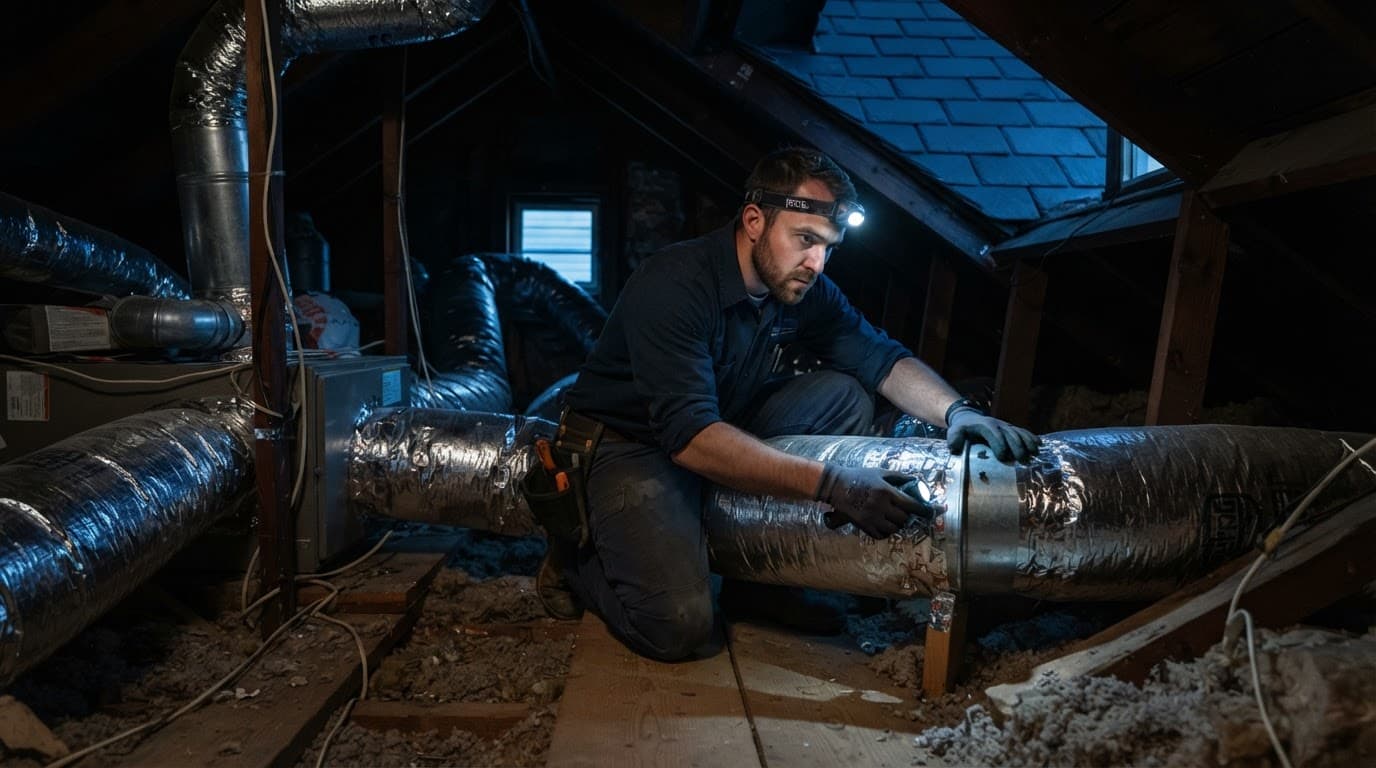
Attic insulation matters, too. Thin, disturbed, or uneven attic insulation lets the ceiling surface warm up for hours as warm air presses down from above. Sun-facing rooms, rooms above garages, and upstairs corners often show the effect first.
We inspect accessible duct connections, attic insulation, returns, and airflow before suggesting a costly equipment change. Common household duct tape is not a lasting attic repair. Proper mechanical connections and mastic are made for this kind of work and hold up better in Alabama heat.
Duct cleaning has a place after remodeling dust, pest contamination, moisture damage, or heavy debris. It will not fix a refrigerant leak, collapsed duct, dirty coil, or failed blower within your HVAC system. If there is ice on the refrigerant line, standing water near the air handler, or a buzzing outdoor unit, skip the duct-cleaning guesswork and have the system diagnosed.
When the Thermostat Is Part of the Problem
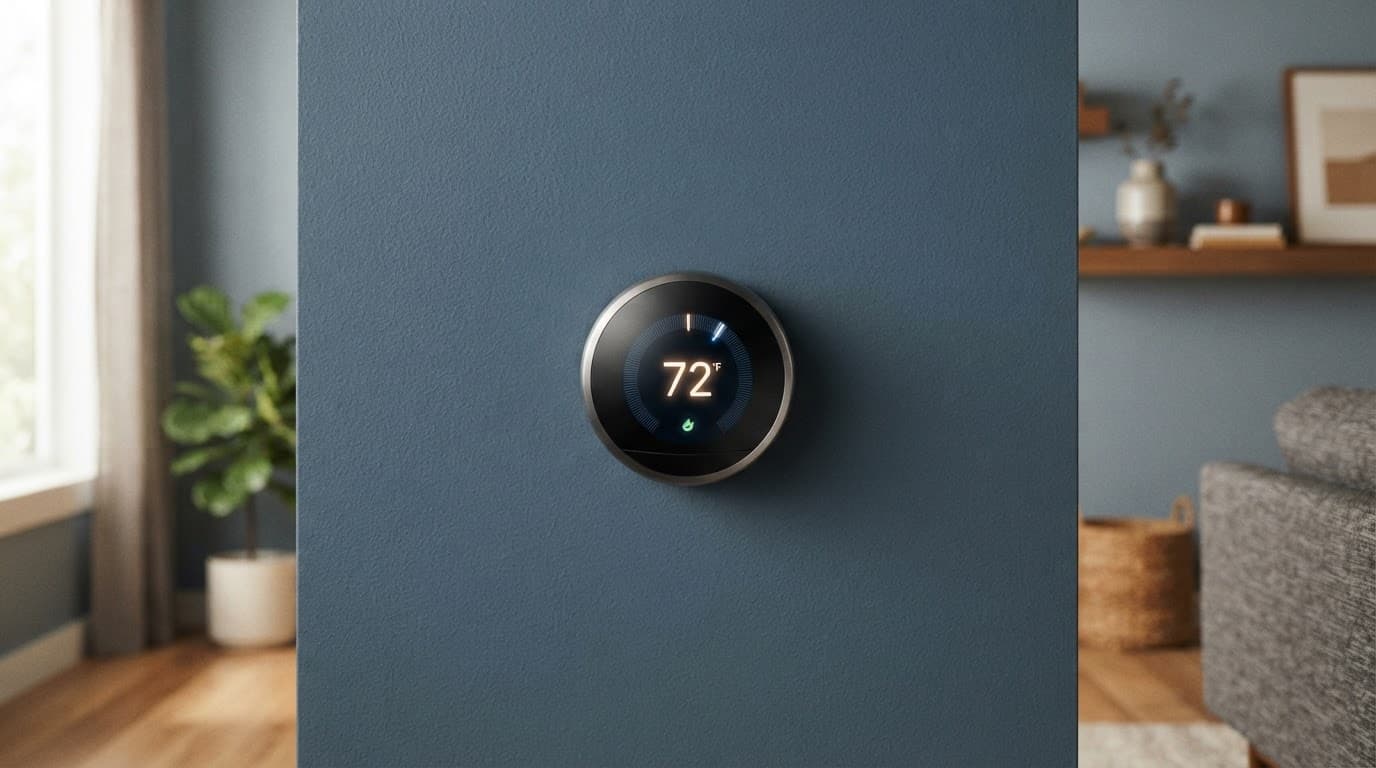
A single downstairs thermostat can’t tell you what is happening in an upstairs bedroom within a two-story home. It only knows the temperature where it is mounted. If that area cools quickly, the hvac system may stop before the second floor catches up.
A smart thermostat with remote room sensors can help some homes. It can use an upstairs smart thermostat sensor at night or average readings from several areas. That is useful when the hvac system and ducts are otherwise in good condition, and running ceiling fans can help distribute that air.
For larger differences, a zoning system may be the better conversation. A zoned system uses motorized dampers and separate temperature control to direct cooling where it is needed, though this type of zoning system requires the right duct design, return-air capacity, and equipment setup.
A thermostat upgrade cannot overcome damaged ducts or an undersized return. It can improve control, but it can’t create airflow that isn’t there.
Air balancing is another option when the equipment and ductwork are sound. Through airflow balancing, a technician measures performance and adjusts balancing dampers so rooms get a more appropriate share. A good balancing visit should include readings and a plain explanation of what changed.
At Northport HVAC, we see the best results when the recommendation follows the inspection. Some homes need a smart thermostat adjustment. Others need duct repair, added insulation, a blower correction, or a conversation about system sizing.
Signs the AC Needs More Than a Comfort Adjustment
A warm upstairs room is frustrating. Certain symptoms make it a service issue that should not wait.
Call for help if you notice:
- Warm air that comes from the vents, even after the thermostat calls for cooling
- Ice on refrigerant lines or around the indoor coil
- Water around the air handler, ceiling stains, or repeated drain shutoffs
- Grinding, screeching, banging, repeated buzzing, or persistent rattling
- Breaker trips, a burning-plastic smell, or an outdoor unit that will not start
- Short cycling, or a central air conditioning setup that runs constantly without bringing temperatures down
Turn the system off at the thermostat if it is frozen, making alarming noises, or producing a burning odor. Continuing to run it can turn a smaller failure into a larger repair. Avoid opening electrical panels, adding refrigerant, removing the outdoor fan assembly, or pressure-washing delicate coil fins.
For urgent trouble, emergency AC repair may be the right next step, especially when tenants, children, older adults, or pets are dealing with extreme indoor heat. Appointment timing still depends on location, safe access, technician availability, and the part needed, whether your home uses a heat pump or traditional central air conditioning.
Experienced local HVAC technicians should explain what failed, how they tested it, whether it is urgent, and what the approved price includes. That kind of thorough evaluation helps keep your hvac system running smoothly. It matters for homeowners and for property managers who need a clear maintenance record for any hvac system on site.
Repair, Balancing, or Replacement Depends on the Diagnosis
Don’t replace an air conditioner because one upstairs room is hot. A new unit installed on the same leaking, restricted duct system can leave you with the same complaint and a larger bill. Fixing a temperature imbalance in a two-story home usually involves targeted interventions instead of an immediate air conditioner replacement.
A repair is often sensible when one part has failed, such as a blower component, thermostat, drain safety switch, or electrical control. Duct sealing, return improvements, insulation work, and air balancing may solve a distribution problem without replacing equipment. For persistent hot spots where central air conditioning struggles, adding a ductless mini-split or adjusting balancing dampers can restore comfort.
Air conditioner replacement deserves discussion when the system has repeated major failures, serious sizing problems, or cannot maintain comfort after airflow issues are corrected. An oversized unit can short-cycle and leave humidity behind. An undersized unit can run for long stretches and still fall behind. When evaluating options for air conditioner replacement, homeowners should also look at how zoning systems and heat pump technology improve energy efficiency across a two-story home.
For Tuscaloosa air conditioning service, we work on Trane, Carrier, Rheem, Lennox, Goodman, and Mitsubishi mini-split equipment. We also look beyond the name on the cabinet. Room layout, attic conditions, duct design, insulation, and cooling load all matter.
A written estimate should identify the failed component or recommended scope, labor, materials, warranty details, and any required duct, electrical, drainage, or thermostat work. Northport HVAC provides upfront pricing, and new system installations include a one-year labor warranty alongside applicable manufacturer parts coverage.
Frequently Asked Questions
Why is my upstairs always so much hotter than downstairs?
Warm air naturally rises toward the roof through the stack effect, and your upstairs rooms also absorb heat from the roof all day. When combined with long attic duct runs, poor insulation, or restricted airflow, your air conditioner struggles to distribute cool air evenly to the second floor.
Should I close my upstairs air registers to force cool air down?
No, closing upstairs air registers usually backfires and makes uneven cooling worse. It restricts airflow, raises duct pressure, and can starve your HVAC system of the circulation it needs to cool your home efficiently.
Can a smart thermostat fix uneven cooling between floors?
A smart thermostat with remote room sensors can help by averaging temperatures or prioritizing the upstairs at night, but only if your ducts and HVAC system are otherwise in good condition. A thermostat upgrade cannot create airflow or overcome major duct leaks.
When should I call a professional for uneven cooling?
You should call for a professional diagnosis if simple checks like replacing your air filter don’t work, or immediately if you notice warning signs like ice on refrigerant lines, weak airflow, warm air from vents, or water leaks.
A More Comfortable Second Floor Starts With Facts
Uneven cooling upstairs downstairs can feel like an unavoidable Alabama problem. It isn’t. Heat gain upstairs is real, but weak airflow, attic duct losses, blocked returns, and poor controls can make it far worse.
Start with the safe airflow checks, including adjusting your ceiling fans. Then get a measured diagnosis if the temperature gap remains, or call sooner when ice, water, warm air, or electrical symptoms appear on your hvac system. When you want to deliver cool air evenly throughout the house, the right approach matters.
The right fix is the one that addresses why the upstairs is hot, not the one that sounds biggest.