Air Conditioner Burning Smell: What It Means
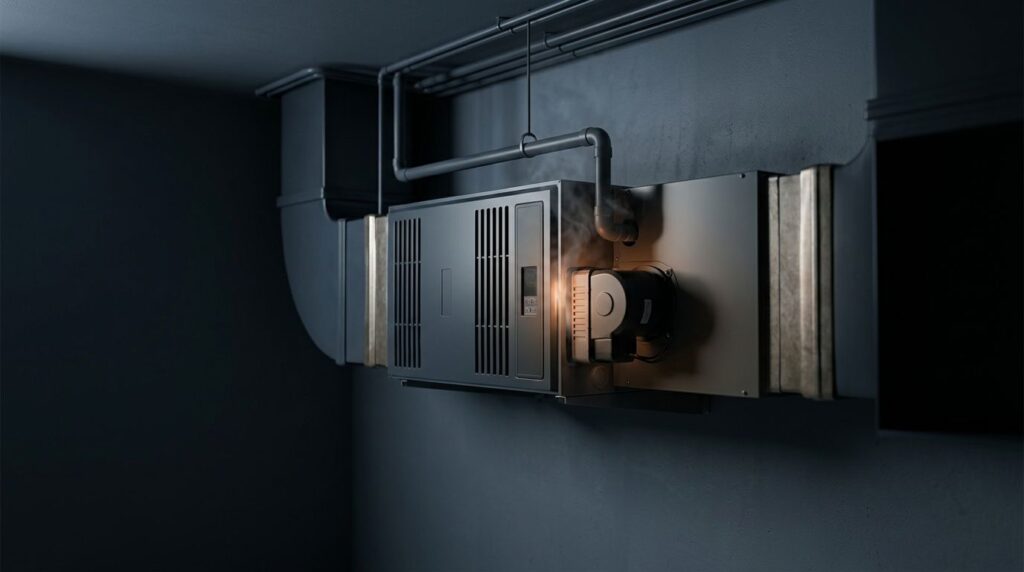
A burning odor from the AC is one problem you shouldn’t try to ignore until tomorrow. Sometimes it is harmless dust burning off. Other times, an air conditioner burning smell in your hvac system points to an electrical part, motor, or wire that needs attention now, and a burning smell from ac units always warrants a closer look.
The difference often comes down to timing, strength, and what the system is doing when the smell starts. If an ac burning smell is sharp, plastic-like, smoky, or gets stronger while your cooling system runs, turn the equipment off and take it seriously.
We see this often during the first hot stretch in West Alabama, when equipment that has sat through a season suddenly has to work hard again.
Key Takeaways
- A faint burning smell when first turning on your AC is often just harmless dust burning off, but strong, sharp, or smoky odors require immediate attention.
- Persistent burning smells that resemble hot plastic or rubber usually point to serious electrical issues like an overheated motor, damaged capacitor, or scorched wiring.
- If you notice a strong burning odor, smoke, or a breaker that keeps tripping, you should turn the thermostat off immediately and avoid opening internal equipment cabinets.
- Routine air conditioner maintenance helps catch restricted airflow, loose electrical connections, and worn-out parts before they cause unexpected failures during peak summer heat.
What an Air Conditioner Burning Smell Can Mean
Not every burning smell means an active fire. When seasonal heat strips or furnaces turn on, a faint burning odor can stem from severe dust buildup inside the hvac system after a long stretch without use. When the system starts again, that dust may create a dry burning odor.
That smell should fade after a short period. It should not fill the house, trigger coughing, or return every time the air conditioner runs.
A stronger odor usually tells a different story. If you notice a burning smell from ac units, it might point to an overheated fan motor or heavy strain on the blower motor. A failing capacitor, contactor, or damaged wire with burning plastic or burning rubber odors may also occur. Furthermore, an ac burning smell can originate near the outdoor condenser unit when a compressor struggles under heavy load, creating a hot, acrid odor.
A burning odor that continues, grows stronger, or comes with smoke, buzzing, breaker trips, or weak airflow is not a wait-and-see problem.
The table below helps separate a brief dust smell from symptoms that need a service call.
| What you notice | Possible cause | What to do |
|---|---|---|
| Light dusty odor after first use | Dust buildup on warm components | Monitor it if it fades quickly |
| Hot plastic or burning rubber smell | Overheated electrical part, burning plastic, or wiring | Shut the system off and call for service |
| Smoke from vents or equipment | Electrical failure or fire risk | Turn off power if safe, leave the area, call 911 |
| Burning smell with weak airflow | Dirty air filter, airflow restriction, or blower issue | Turn the unit off and schedule diagnosis |
| Burning odor near outdoor unit | Fan motor, compressor, capacitor, or wiring issue | Shut down cooling and arrange repair |
If you smell smoke, see flames, or hear loud popping from the equipment, don’t investigate inside the cabinet. Get people and pets out of the home, call 911, then contact an HVAC professional once the immediate danger is addressed.
Electrical Problems That Can Create a Burning Odor
Air conditioners rely on high-voltage electricity, motors, relays, and control boards. When electrical issues develop, a small fault can create a distinct ac burning smell before it becomes a larger repair. That’s why this type of odor deserves more attention than a musty vent odor.
Overheating blower motors and fan motors
Your indoor blower motor moves cooled air across the evaporator coil and through the ducts, while the condenser fan motor moves heat away from the outdoor unit. Both an overheated fan motor and a failing blower motor can cause problems when bearings wear out, or when a broken fan belt creates friction in older systems.
You may also notice a humming sound, slower airflow, or a system that shuts itself down. Continuing to run the unit can damage the motor further and put extra strain on other parts.
A dirty air filter is a common starting point for these issues. It creates an airflow restriction, makes the blower work harder, and can leave the system running hotter than it should. We recommend checking the filter monthly until you know how quickly your home loads it with dust, pet hair, and pollen.
Burned wires, capacitors, and contactors
Capacitors help motors start and keep running, but a damaged capacitor can cause the motor to draw too much current and overheat. Contactors control power to the outdoor unit. These parts wear out, especially after repeated exposure to Alabama heat and electrical demand.
Loose electrical connections can also heat up at the terminal. The electrical wiring insulation may melt or scorch, which creates the sharp burning plastic smell many homeowners describe.
Don’t remove service panels to look for damaged wires. Even with the thermostat off, electrical components can remain energized. A licensed hvac technician can test the system safely and identify whether one failed part caused the issue or whether wiring damage needs repair too.
A struggling compressor
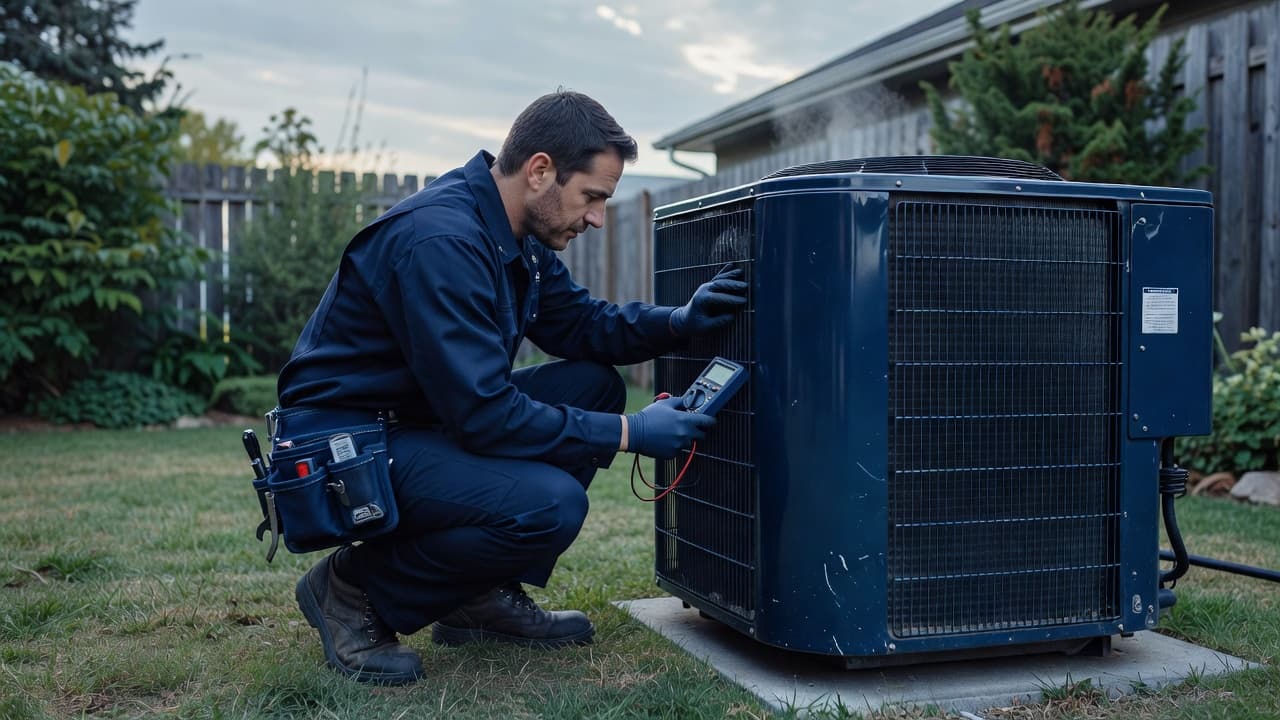
The compressor is the heart of the cooling system. When underlying electrical issues cause it to overheat, it may produce a hot electrical odor outside, trip a breaker, or stop cooling altogether. Low refrigerant, an airflow restriction, dirty coils, and electrical faults can all make a compressor work harder.
A compressor issue isn’t something to diagnose by smell alone. We test airflow, electrical readings, refrigerant-related performance, and the condition of supporting parts before recommending a repair.
What to Do When the AC Smells Like It Is Burning
Start with the safest response. Your goal is to limit possible damage without putting yourself near live equipment.
- Turn the thermostat to “off.” If the ac burning smell is strong, smoky, or electrical, don’t leave the fan running.
- Shut off the AC breaker if it is safe to reach. Use the labeled breaker for the hvac system. Do not keep resetting a breaker that trips again.
- Check for smoke or flames from a safe distance. Call 911 if you see either one, or if the odor is severe inside the house.
- Avoid opening the air handler or outdoor cabinet. Don’t touch exposed electrical wiring, capacitors, or internal components when experiencing a sudden burning smell from ac trouble.
- Schedule a proper diagnosis before restarting the system. A short test run can turn a damaged electrical part into a larger failure.
A basic visual check is enough. Look for a dirty air filter, make sure return grilles aren’t blocked, and clear loose leaves or grass from around the outdoor condenser unit to prevent an ac burning smell. Keep furniture, curtains, and pet beds away from return vents. A large sectional pressed against a return grille can restrict airflow through the whole hvac system.
Don’t use a pressure washer on the coil. High-pressure water can flatten the thin aluminum fins and cause another airflow problem, sometimes making an air filter replacement necessary sooner than expected. We also don’t recommend lifting the outdoor fan assembly or trying to clean inside the cabinet.
For a system that has stopped cooling, smells hot, or keeps tripping a breaker, same-day AC repair in Northport and Tuscaloosa or emergency ac repair is a safer next move than repeated resets.
Problems That Can Smell Similar but Need Different Fixes
Home odors can be misleading. An unexpected air conditioner burning smell may have another source, and an experienced hvac technician should sort out the difference before anyone starts replacing parts.
A musty or sour odor often comes from moisture, which can also impact your indoor air quality. A clogged condensate drain, dirty evaporator coil, wet insulation, or standing water near the air handler can create it. Duct cleaning alone won’t fix those moisture sources.
A rotten egg smell may signal a natural gas leak, not an AC issue. Leave the property, avoid switches and open flames, and contact the gas provider or emergency services from a safe location.
A chemical or sweet smell can be related to refrigerant or other household sources. Refrigerant work requires trained handling and proper equipment. It isn’t a do-it-yourself repair.
A burning dust smell can happen when electric heat runs for the first time. That is more common when natural dust buildup on electric heat strips occurs during early seasonal cycles. The odor should be brief and mild.
The pattern matters. If your Tuscaloosa cooling system smells burned, has weak airflow, or points to underlying fan motor problems across the hvac system, shut it down. Those symptoms demand professional attention.
How Maintenance Reduces Electrical Stress
Routine air conditioner maintenance can’t prevent every part failure. It can catch restricted airflow, loose electrical connections, dirty coils, drainage trouble, and worn motors before summer demand exposes them to excessive wear across your hvac system.
During a heating and cooling visit, our seasonal air conditioner maintenance checks accessible electrical wiring, tests relevant components, inspects the filter setup, checks the condensate drain, and verifies that the equipment is moving air properly. These checks also reduce the risk of an overheated fan motor, catch early fan motor problems, and help protect the overall hvac system. We also look at the outdoor unit’s condition and listen for abnormal fan or compressor noise.
A few habits at home help between visits:
- Complete a timely air filter replacement to avoid running a dirty air filter that strains your equipment.
- Keep supply registers open and return grilles clear.
- Trim vegetation away from the outdoor unit according to the equipment manual.
- Pay attention to new buzzing, rattling, or breaker trips.
- Schedule service before the hottest part of the season, especially for rental properties.
Northport HVAC works with Trane, Carrier, Rheem, Lennox, Goodman, and Mitsubishi mini-split equipment. Our local HVAC technicians provide clear findings and upfront pricing, so you know what failed before approving work. For broader repairs, tune-ups, indoor air quality concerns, and system evaluations, see our HVAC services in Northport.
When Emergency AC Repair Is the Right Call
A faint dusty smell that disappears may not require an urgent visit. An abrupt ac burning smell, smoky odors, or signs of severe electrical failure demand immediate emergency ac repair.
Emergency ac repair is appropriate when you notice the distinct scent of burning plastic or burning rubber, which means serious electrical issues are occurring. These persistent smells mean the system is unsafe to run, especially if vulnerable residents could be left without cooling during severe heat.
For AC repair in Northport, AL, we recommend asking your hvac technician direct questions before approving work. Ask what failed, how it was tested, why the repair is urgent, and what the quoted price includes. Clear answers matter, especially when safety is on the line.
Frequently Asked Questions
Is it normal for my air conditioner to smell like burning when I first turn it on?
A faint burning smell during the first hot stretch of the year is often normal and usually caused by dust burning off the heating strips or internal components. This mild odor should fade quickly within a short time and not return every time the system runs.
What should I do if my AC smells like burning plastic?
A hot plastic or burning rubber smell strongly indicates an overheated electrical part, failing motor, or damaged wiring insulation. You should turn your air conditioner off immediately at the thermostat and breaker, and contact a licensed HVAC professional for service.
Can a dirty air filter cause an air conditioner burning smell?
Yes, a clogged or dirty air filter restricts proper airflow through your HVAC system, forcing the blower motor to work much harder than normal. This extra strain can cause the motor to overheat and produce a burning odor.
When should I call for emergency AC repair due to a burning smell?
You should call for emergency repair if the burning odor is strong, persistent, accompanied by visible smoke, or associated with buzzing noises and frequent breaker trips. These signs point to a severe electrical hazard that is unsafe to leave running.
Protect the System Before a Small Failure Grows
An air conditioner burning smell is often the equipment’s warning light, and a sudden burning smell from ac units can signal trouble for your entire hvac system. Dust may burn off and disappear, but electrical odors, hot plastic, smoke, and recurring breaker trips need a faster response.
Addressing a minor fault like a broken fan belt or a damaged capacitor early prevents catastrophic electrical issues later on. Turn the system off when the smell is strong or persistent. Then let a qualified technician find the cause before the next cooling cycle creates more damage. A safe shutdown when you notice an ac burning smell is usually cheaper than running a failing system until it quits.