AC Short Cycling: Why It Starts and Stops So Often
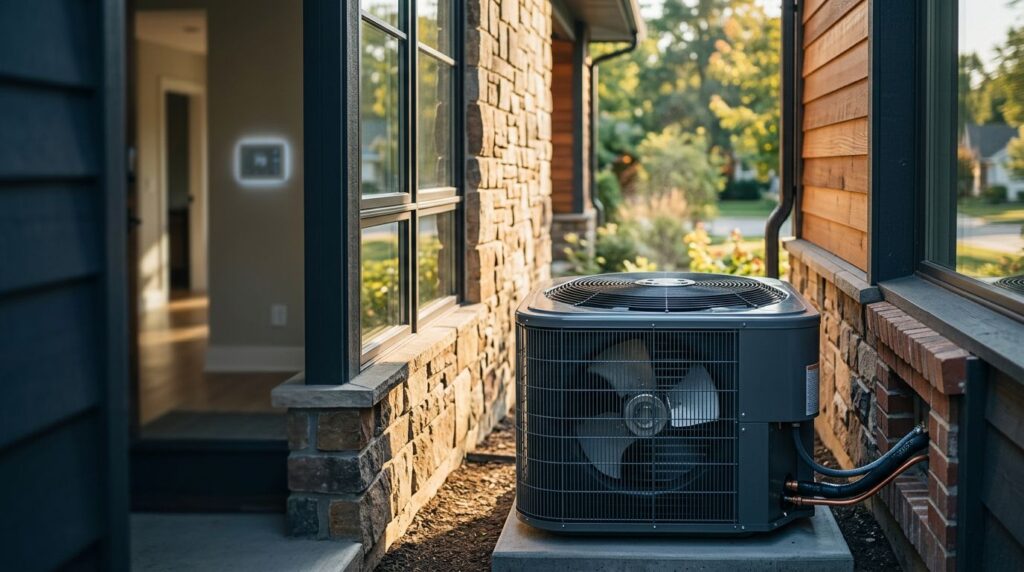
An air conditioner that starts, shuts off, and turns on again just a few minutes later is failing to cool your home properly. This issue is known as AC short cycling, and it can significantly increase your energy bills while leaving rooms feeling warm and humid.
A properly functioning system should run long enough to effectively lower the temperature and remove excess humidity from the air. Short cycling interrupts these cycles prematurely. In Northport and Tuscaloosa, this extra strain on your equipment can quickly turn a minor performance issue into a complete system breakdown during the hottest part of summer.
The root cause could be something as simple as a dirty air filter, or it might point to a more complex refrigerant, electrical, or sizing problem that requires professional attention.
Key Takeaways
- Recognize the Symptoms: AC short cycling occurs when a system starts and stops repeatedly, preventing it from completing a full cooling cycle and leading to high humidity and increased energy bills.
- Perform Simple Checks First: Before calling for service, ensure your air filter is clean, all supply and return vents are unobstructed, and your thermostat settings are correctly configured.
- Watch for Warning Signs: Issues like ice on refrigerant lines, strange noises, or water leaks around your unit are indicators of deeper problems that require immediate professional attention.
- Address Underlying Causes: Short cycling can be caused by various factors, ranging from dirty coils and clogged condensate drains to more serious issues like refrigerant leaks, electrical faults, or an oversized HVAC unit.
What AC Short Cycling Looks Like
Most systems cycle several times a day, which is entirely normal. The outdoor unit and indoor blower engage, run for a designated period, and then power down once the thermostat reaches its programmed setting.
AC short cycling is a different issue entirely. The air conditioner may run for only a few minutes, stop abruptly, and then restart shortly thereafter. It may repeat this erratic pattern throughout the afternoon. A system that cannot complete a full cooling cycle wastes significant energy and experiences excessive wear and tear.
When diagnosing these issues, look closely at the frequency. If the system starts and stops more than three or four cycles per hour during extreme heat, it is likely malfunctioning. If the unit clicks off after just three to five minutes while the house remains warm, you are witnessing a clear symptom of a deeper problem.
Other signs often show up alongside frequent cycling:
- The house feels sticky or clammy because the system lacks proper humidity control.
- Some rooms cool effectively while others remain warm and uncomfortable.
- Airflow coming from the supply vents feels weak or inconsistent.
- The outdoor unit produces buzzing, rattling, or hard-starting noises.
- Ice forms on the refrigerant lines or the indoor evaporator coil.
- Energy bills rise suddenly without a clear change in weather conditions or household habits.
A thermostat setting that feels perfectly comfortable in the morning may become an issue by late afternoon. West Alabama heat puts a steady load on your equipment, and when your system fails to operate correctly, the indoor environment becomes difficult to manage.
Start With the Simple Airflow Checks
Before we assume the compressor is failing, we should check the common issues that restrict airflow. A clogged filter can make your HVAC system work like it is trying to breathe through a towel, significantly limiting the necessary airflow for proper cooling.
Pull out the filter and look at it in good light. If it is gray, matted, damp, or coated with pet hair, it is time for a new air filter. A standard pleated filter changed on schedule is often a better fit for your equipment than an ultra-dense filter left in place for too long.
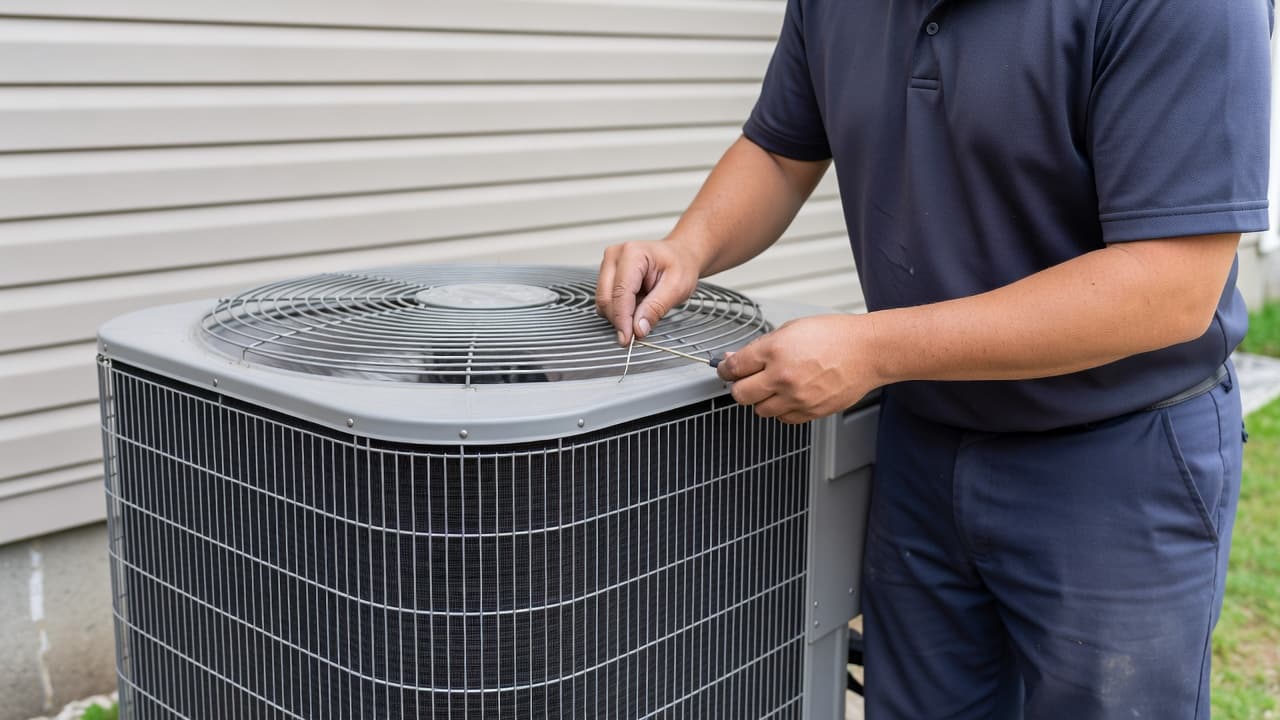
Next, walk through the house and check supply vents and return grilles. Supply vents should be open and free of rugs, curtains, or furniture. Returns need even more space. A sectional pressed against a return grille can restrict movement throughout the entire system all day.
We should also check the thermostat before touching the equipment. Set it to cool, choose auto for the fan, and set the temperature several degrees below the current room temperature. A fan left on the “on” setting can make the system seem like it is cycling strangely because air continues to move after the cooling cycle ends.
If we find ice on the refrigerant line, turn the cooling setting off and leave the fan on. Do not keep forcing the AC to run.
Ice usually means the coil is too cold. Restricted movement and refrigerant problems are both common causes. Letting the system thaw may prevent more damage, but it does not fix the underlying issue that caused the ice.
Dirty Coils and Drain Problems Can Shut a System Down
Proper airflow is essential for the system to move air across the evaporator coils inside your home. Dust, pet hair, nicotine residue, and moisture can build up on these components over time. When they become dirty, heat transfer drops significantly, which can cause the coil to freeze.
The outdoor condenser coil matters too. Grass clippings, cottonwood fluff, leaves, and dirt can trap heat around the unit. The compressor then works harder and may overheat, forcing the system to shut off before the house reaches the desired temperature.
We can safely clear loose debris from around the outdoor unit. Keep shrubs and stored items away from the cabinet so air can move freely around it. However, homeowners should not bend coil fins, remove electrical panels, or spray equipment with a high-pressure nozzle.
Condensate drainage can also interrupt cooling. As the indoor coil removes humidity, water collects in the drain pan and travels through a drain line. If the line clogs, many systems utilize a safety switch to shut off cooling before water overflows.
That is a helpful safety feature, but frequent shutdowns still require a professional diagnosis. A blocked drain, dirty coil, and restricted airflow often show up together. Investing in regular maintenance gives local HVAC technicians a chance to inspect coils, drains, electrical connections, and overall system operation before a summer issue becomes an emergency repair.
Routine HVAC services in Northport AL are the best way to ensure your system runs efficiently throughout the year.
Thermostat Trouble and an Oversized AC
Sometimes the air conditioner is doing exactly what the thermostat tells it to do. If the thermostat is positioned near a sunny window, a kitchen, a lamp, or a supply vent, it senses the local temperature instead of the average temperature in the home.
A thermostat located too close to a vent may get blasted with cold air and shut the system off early. Loose wiring, failing batteries, or a malfunctioning unit can also create this start-stop pattern.
Smart models and new programmable devices also need a correct setup. A thermostat must match the type of heating and cooling equipment in the house, as incorrect configuration can lead to poor performance, weak comfort, or equipment that does not respond as expected.
An oversized unit creates a different problem because bigger is not always better. A system that cools the area near the controls too fast shuts down before it completes a full cooling cycle. Because the system turns off prematurely, it fails to provide enough dehumidification to keep the home comfortable.
Short, powerful cooling bursts can leave a house cold in one room and clammy everywhere else.
Proper system sizing depends on more than square footage. Insulation, window exposure, ductwork, ceiling height, occupancy, and air leakage all matter. A replacement decision should include the condition of the ducts and the comfort problems that existed with the old system.
For landlords and property managers, this is worth watching across multiple units. A tenant may report that the apartment is too cold but still damp. That complaint can point to a cycling or sizing issue, not a simple setting preference.
Refrigerant, Electrical, and Compressor Problems Need Service
If the filter is clean, vents are open, and the thermostat looks right, the cause may be inside the HVAC system. These problems require a professional diagnosis rather than guesswork.
Low refrigerant levels can cause the evaporator coil to freeze. Refrigerant does not get used up like fuel, so low levels usually indicate a refrigerant leak or another system issue that must be identified and repaired.
Electrical malfunctions are another common reason an air conditioner starts and stops unexpectedly. A weak capacitor, worn contactor, loose connection, or overheating compressor can interrupt the cooling cycle. These components carry high voltage, even when the thermostat is switched off.
Older equipment may also struggle with compressor wear. The unit might hum, trip a breaker, make a loud click, or shut down due to thermal protection. Continuing to reset breakers or force restarts can make the eventual repair significantly more expensive.
You should contact a professional for assistance immediately if you notice any of the following:
- A burning smell, smoke, sparks, or a repeatedly tripped breaker
- Frozen coils or ice on the copper refrigerant line
- Water pooling around the indoor unit
- Loud grinding, buzzing, or banging noises
- A unit that cycles constantly and cannot hold the desired temperature
Northport HVAC can inspect systems from Trane, Carrier, Rheem, Lennox, Goodman, and Mitsubishi mini-splits. With a clear diagnosis and upfront approval, we can help you decide whether a repair is sensible or if your equipment needs a replacement estimate.
What Happens During an AC Short Cycling Diagnosis
A useful service visit begins with identifying the root cause rather than performing a quick part swap. Our local technicians evaluate the operational patterns to understand the entire HVAC system as a cohesive unit.
That process includes testing thermostat operation, checking for proper airflow through vents and returns, inspecting the air filter and coils, examining the condensate drain, measuring electrical components, and looking for signs of refrigerant-related trouble. The technician may also inspect the ductwork if certain rooms suffer from uneven temperatures.
We should share a few details before the appointment to help us prepare. Tell the technician how long the AC runs, when the issue began, whether it happens only in the afternoon, and whether you have seen ice or water. These details are vital for a professional AC short cycling diagnosis and can save significant time.
For homeowners facing a sudden failure in hot weather, AC repair in Northport and Tuscaloosa can address the underlying issues causing your unit to turn on and off rapidly, including frozen coils or systems that stop cooling altogether. Emergency AC repair availability depends on your location, safety conditions, and the daily schedule.
A repair may be minor. It could involve cleaning a dirty component, clearing a drain line, fixing a thermostat setting, or replacing a worn electrical part. If the equipment has repeated failures and high repair costs, we will compare the numbers honestly before you put more money into an aging system.
Keep Frequent Cycling From Coming Back
Proactive care is the best way to prevent the issues that cause your system to start and stop prematurely. Checking your air filter is one of the most important habits for homeowners, especially in households with pets, construction dust, or frequent summer use. A clean filter ensures proper airflow and prevents the strain that leads to system failure.
Beyond filter changes, keep return vents clear, avoid closing off multiple supply vents, and leave plenty of room around the outdoor unit. These small habits help the whole system move air as designed.
Scheduling regular maintenance annually gives your technician time to inspect coils, drains, wiring, motors, refrigerant performance, and safety controls. This routine professional oversight helps you spot developing problems long before your AC is working at full capacity during the peak of July.
Frequently Asked Questions
Is it normal for my air conditioner to turn on and off frequently?
While it is normal for an AC to cycle periodically throughout the day, it should not turn on and off every few minutes. If you notice your system starting and stopping more than three or four times an hour during hot weather, it is likely experiencing a malfunction.
Can a dirty air filter really cause short cycling?
Yes, a clogged or dirty air filter restricts airflow, which prevents the system from effectively cooling your home. This restriction causes the evaporator coil to freeze and the system to overheat, forcing it to shut down prematurely to protect its components.
Why does my home feel clammy when the AC is running?
Short cycling prevents your air conditioner from running long enough to remove sufficient moisture from the air. Without a complete cooling cycle, the humidity levels in your home remain high, leaving the air feeling sticky even if the temperature seems cool.
When should I call a professional for help?
You should contact an HVAC technician if you notice signs of a serious problem such as frozen coils, a burning smell, sparks, or if the unit continues to cycle rapidly after you have changed the air filter and checked your vents. These issues often involve electrical or refrigerant systems that require specialized tools and training to repair safely.
A Short Cycle Is a Reason to Look Closer
An air conditioner that turns on and off too often is not something you should ignore until the system quits completely. While it may start as a simple filter or thermostat issue, AC short cycling can also serve as an early warning sign of more complex problems like frozen coils, electrical faults, or a hidden refrigerant leak.
The right repair starts with a professional diagnosis to determine exactly why the cycle is short. Once we identify the underlying cause, we can restore your comfort, avoid wasted energy, and give your equipment a much better chance of making it through the heat of the Alabama summer.