AC Is Running but the House Is Hot: What Could Be Wrong?
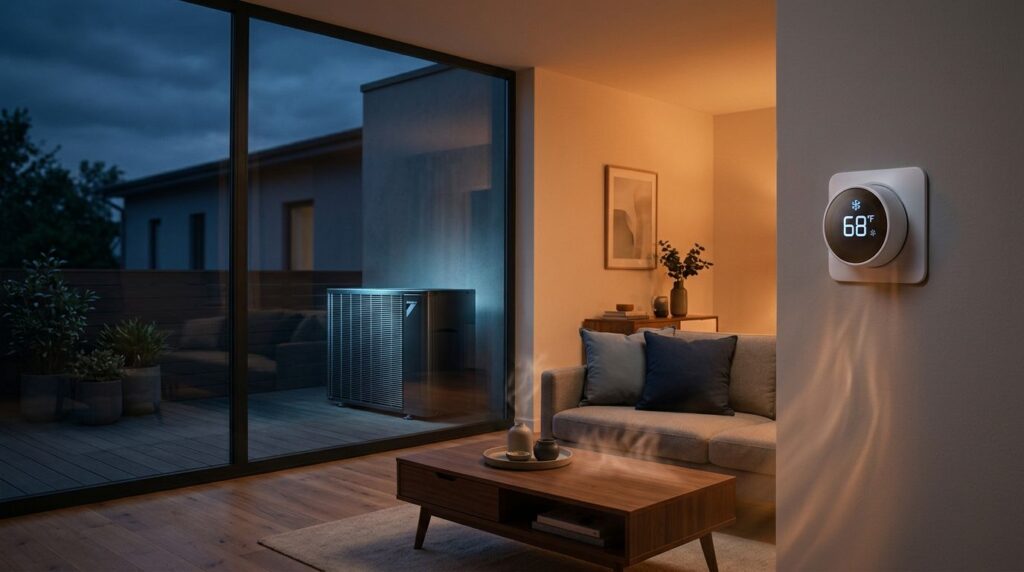
Few things are more frustrating than hearing the AC run all afternoon while every room still feels warm. The thermostat says it is working. The outdoor unit is humming. Yet the house will not cool down.
When you find yourself dealing with an AC running house hot, something is keeping the system from removing heat, moving air, or holding cool air inside. Some causes are simple. Others need a technician before a small problem turns into a frozen coil, water damage, or a complete breakdown.
Key Takeaways
- A running central air conditioning system does not always mean it is cooling your home properly.
- Dirty filters, closed vents, thermostat settings, and clogged outdoor units can limit cooling performance.
- Frozen coils, refrigerant leaks, failing capacitors, and duct problems require a professional diagnosis.
- Turn the system off if you see ice, smell burning, or hear loud mechanical noises, and consider a seasonal tune-up to prevent these issues from recurring.
- Northport HVAC provides AC repair Northport AL homeowners can count on when cooling stops keeping up.
What It Means When the AC Runs but Does Not Cool
Whether you rely on central air conditioning or a modern heat pump, your system has two main jobs. It must pull heat from inside the house and release that heat outdoors, while simultaneously moving enough air through the home to maintain a comfortable environment.
If either part of this process fails, the equipment may keep running without actually lowering the indoor temperature. Think of it like a bucket with a hole in it. The system may be trying to circulate cool air, but heat, humidity, or poor airflow keeps stripping away that comfort.
We usually start with one plain question: is the system blowing air that feels cool, or is it blowing hot air?
Cool air paired with weak airflow often points to a dirty filter, a struggling blower, or a frozen coil. Conversely, blown hot air may indicate an incorrect thermostat setting, an issue with the outdoor unit, a refrigerant leak, or a failed mechanical part.
A system that runs nonstop without lowering the temperature needs attention. Long run times increase wear and can drive up the power bill fast.
In Northport and Tuscaloosa, high heat and heavy humidity can expose problems that seemed minor in spring. A weak system may keep up on an 80-degree day, but it often falls behind once the full force of Alabama summer weather settles in.
Start With the Simple Things at Home
Before we assume the worst, we check the few items that can stop good cooling without requiring a repair. These checks are safe for most homeowners and can save a service call when the fix is simple.
Check the thermostat and power settings
Verify your thermostat settings are correct by setting the system to cool and ensuring the fan is set to auto. If the fan is set to on, it runs even when the compressor is not cooling, which can make the vents feel warm between cooling cycles.
Set the temperature several degrees below the current room temperature. If nothing changes after a few minutes, check whether the thermostat has a low battery warning or a blank screen.
A tripped breaker can also leave part of the system without power. Check the electrical panel once. If a breaker trips again after being reset, leave it alone and call for service. Repeated trips can signal an electrical problem.
Look at the air filter and vents
A dirty air filter is one of the most common reasons an AC struggles. Dust, pet hair, and debris restrict airflow, forcing the blower to work harder. This can lead to uneven cooling and may cause the evaporator coil to freeze.
Replace a visibly dirty filter with the correct size and airflow rating for your system. Then, make sure your supply vents are open and not blocked by furniture, rugs, or curtains. You should also check that your return vents are clear of obstructions, as these are essential for drawing air back into the system to be cooled.
We do not recommend closing lots of vents to force more air into one room. Most central systems are designed for balanced airflow. Closing too many vents can raise duct pressure and make existing comfort problems worse.
Clear space around the outdoor unit
The outdoor condenser unit needs plenty of space to release heat. Leaves, grass clippings, shrubs, and stored items can block airflow around the cabinet, preventing the condenser fan from effectively exhausting heat away from the system.
Turn off power to the unit before removing loose debris from around it. Keep plants trimmed back and avoid bending the metal fins. Those thin fins are easy to damage.
If the coil is packed with dirt or the fins are crushed, the unit may need a professional cleaning and inspection. A garden hose can cause trouble when used with too much pressure or aimed into electrical components.
Common AC Problems That Need a Repair
Once the basic checks are done, the cause may be inside the equipment. We see several issues repeatedly during Tuscaloosa air conditioning calls, especially during long hot spells.
| Problem | What You May Notice | What Usually Needs to Happen |
|---|---|---|
| Frozen evaporator coil | Ice on copper lines, weak airflow, water near indoor unit | System inspection and airflow or refrigerant repair |
| Refrigerant leak | Warm air, long cycles, ice, declining performance | Leak testing, repair, and proper refrigerant charge |
| Failed capacitor | Outdoor unit hums, clicks, or fails to start | Electrical testing and part replacement |
| Dirty coil | AC runs constantly and loses cooling power | Safe coil cleaning and system check |
| Blower or duct issue | Some rooms are hot, vents have little airflow | Airflow testing, blower repair, or duct work |
The table points to one important fact: the same symptom can have different causes. Rooms with blown hot air do not automatically mean you have a refrigerant leak. A refrigerant charge should never be guessed at or topped off without finding the reason it is low.
A frozen coil can make the whole house hot
Ice on the refrigerant line or indoor evaporator coil is a warning sign. It may seem strange, but a frozen coil cannot cool your home effectively. The ice blocks airflow and prevents the system from absorbing heat.
Turn the thermostat to off and set the fan to on if airflow is still available. That can help thaw the unit. Do not chip at the ice or run the AC until the cause is found. A dirty air filter, blocked airflow, or issues with the air handler can all contribute to this problem. We need to inspect the system before turning it back on, or the ice will likely return.
Refrigerant problems are not a DIY fix
Refrigerant, often referred to as Freon in older systems, moves heat through the system. It is not fuel that gets used up under normal operation. If the level is low, there is usually a leak.
Low refrigerant can leave the air feeling less cool, cause icing, and make the compressor motor work under excessive stress. An HVAC technician should locate the leak, repair it when possible, and charge the system to manufacturer specifications.
Our team services Trane, Carrier, Rheem, Lennox, Goodman, and Mitsubishi mini-splits. Whether the issue involves a faulty capacitor, a failing blower motor, or a stuck reversing valve, different equipment has unique controls and components. No system benefits from guesswork, especially when it involves complex refrigerant cycles or high-voltage electricity.
Hot Rooms Can Point to Ductwork or House Problems
Sometimes the air conditioning unit itself is working, but the home environment is making cooling much harder than it should be. We see this issue often in older homes and in rooms that were added after the original heating and cooling system was installed.
A hot upstairs bedroom, bonus room, or back addition may suffer from poorly designed ductwork, disconnected sections, or inadequate insulation. In these cases, the thermostat may be satisfied while one part of the house remains uncomfortable. To ensure balanced temperatures, you should also inspect your return vents to make sure they are not blocked by furniture or heavy curtains, as this can restrict the intake of air.
Humidity can also make a home feel warmer than the thermostat reading suggests. If the air feels sticky, bathrooms stay damp, or closets smell musty, the system may not be removing enough moisture. Proper ventilation and indoor air quality should always be part of the conversation when troubleshooting cooling issues.
Watch for these signs of an airflow or home performance problem:
- One or two rooms stay hot while the rest of the house cools.
- Air barely moves from certain supply vents.
- The temperature changes sharply between floors.
- Utility bills rise even though thermostat settings have not changed.
- Dust builds up quickly or rooms feel humid and stale.
Air duct cleaning in Alabama can help when dust and debris are affecting air quality or circulation. However, it will not fix a refrigerant leak, a failing blower motor, or a poorly sized air delivery system. We always look for the actual root cause first to ensure your home stays comfortable throughout the year.
What to Do While You Wait for AC Service
When the house is heating up, take steps to protect your system and keep your household comfortable. Close blinds and curtains on sunny windows to block out excess heat. Use ceiling fans to create a refreshing airflow, but remember that fans cool people, not the actual temperature of the rooms.
Avoid setting the thermostat far below your normal temperature. This will not increase the cooling capacity of the unit, nor will it cool the house faster. It only forces the system to run longer, which can lead to further damage.
If the AC is blowing warm air, shut it off rather than letting it run for hours. If it is still producing cool air but cannot keep up, use a slightly higher setting and reduce heat inside the home. Avoid using the oven, run heat-producing appliances during cooler times of the day, and keep exterior doors closed to maintain a stable environment.
Call for emergency AC repair when you notice these problems:
- A burning smell, sparks, smoke, or a breaker that keeps tripping
- Loud grinding, banging, or screeching sounds
- Ice buildup or a large amount of water near the indoor unit
- No cooling during extreme heat, especially with children, older adults, pets, or health concerns in the home
Our local HVAC technician team offers 24/7 emergency AC repair across Northport, Tuscaloosa, Coker, Samantha, and surrounding West Alabama communities. We give upfront pricing and explain what we find before repairs begin.
When Repair Makes Sense and When Replacement May Be Better
A repair is often the right answer when the system has a clear, isolated issue. A failed capacitor, contactor, drain blockage, or blower component does not automatically mean the whole unit needs to go.
Replacement becomes worth discussing when repairs keep stacking up, cooling is unreliable, or the system no longer fits the home. We also look at indoor and outdoor equipment together. Replacing only one mismatched piece can create performance and warranty problems.
Good heating and cooling should feel boring. Rooms stay comfortable, humidity stays manageable, and the equipment does not demand constant attention. Staying consistent with a maintenance plan helps keep it that way by catching weak electrical parts, dirty coils, drainage issues, and airflow trouble before July exposes them. Scheduling a seasonal tune-up is one of the most effective ways to ensure long-term reliability and keep your home cooling system operating at peak efficiency.
Frequently Asked Questions
Why is my AC blowing warm air even though it is running?
Warm air can be caused by several issues, such as an incorrect thermostat setting, a refrigerant leak, or a mechanical failure in the outdoor unit. It is best to first verify that your thermostat is set to ‘cool’ and then call a professional if the problem persists, as these issues often require technical diagnostics.
Is it okay to keep running my AC if it is not cooling the house?
No, you should avoid running an AC system that is not cooling, as it can cause further damage to the compressor or lead to a frozen evaporator coil. If you notice symptoms like ice buildup or hear unusual noises, it is safer to turn the system off and contact a technician immediately to prevent costly repairs.
How often should I change my air filter?
We recommend checking your air filter every month and replacing it at least every 90 days, or more frequently if you have pets or live in a dusty area. A clean filter is vital for maintaining proper airflow, which prevents the system from overworking and helps keep your home cool during the hot Alabama summer.
A Cool House Starts With the Right Diagnosis
When you are dealing with an AC running house hot, simply turning the thermostat lower is rarely the solution. Begin your troubleshooting by checking your filter, vents, thermostat settings, and the outdoor unit. You should also watch for warning signs like ice buildup, weak output, warm air, odd noises, or uneven temperatures throughout your home.
The right repair starts with identifying exactly why the system is struggling to remove heat from your living space. Taking this approach helps you avoid wasted money, repeat breakdowns, and another uncomfortable night. Ultimately, ensuring your system has consistent and unobstructed airflow is the best way to maintain a truly cool and relaxing home.