What Causes an AC Breaker to Keep Tripping?
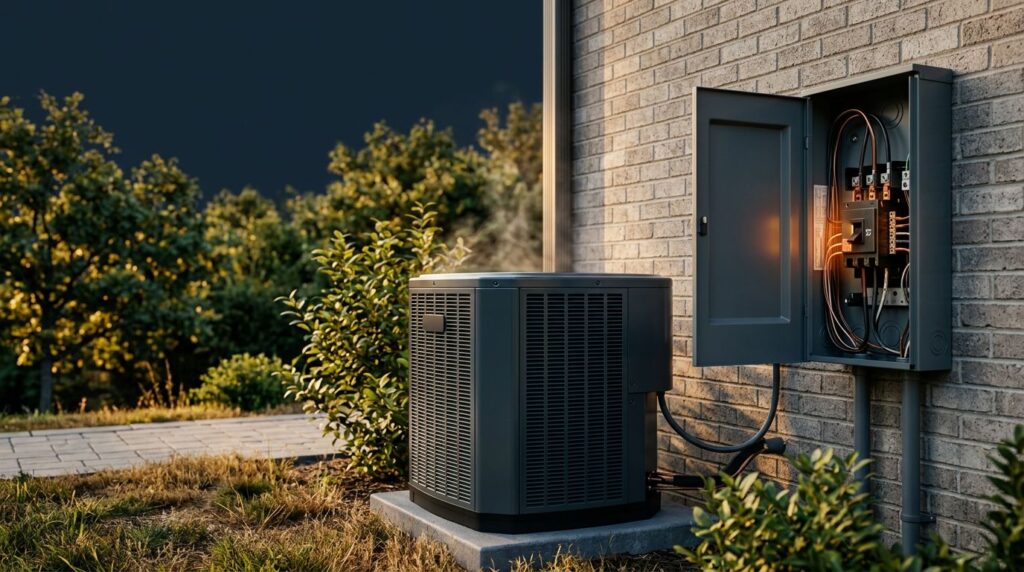
An AC breaker tripping once may be a fluke, but an AC breaker that keeps tripping is a clear sign that the system is pulling too much power or experiencing an electrical fault.
We should never keep resetting the switch and hope it holds. That practice can turn a small repair into a damaged compressor, burned wiring, or a complete loss of cooling during an Alabama heat wave.
The breaker is there to protect the equipment and the home. The next step is finding out exactly why it is being asked to do its job.
Key Takeaways
- Safety First: A circuit breaker is a vital safety device designed to prevent electrical fires and equipment damage; never treat it as a reset button if it trips repeatedly.
- Common Culprits: Frequent trips are often caused by dirty condenser coils, clogged air filters, failing electrical components like capacitors, or refrigerant leaks that force the system to overwork.
- Understand the Timing: Note when the breaker trips—such as during startup, mid-cycle, or in extreme heat—as these details help technicians pinpoint whether the issue is electrical, airflow-related, or mechanical.
- Avoid DIY Hazards: While you can change a dirty air filter or clear debris from the condenser, avoid removing electrical panels or touching internal components due to the risk of high-voltage shock.
What an AC Breaker Trip Is Trying to Prevent
Your air conditioning system consumes more electricity than almost any other appliance in your home. The outdoor unit relies on several vital parts, including the compressor, fan motor, capacitor, contactor, and various electrical connections, all of which operate under a significant load.
When the breaker detects an excessive flow of current, it opens the circuit to stop the power before heat causes fire hazards or damages the wire insulation and essential equipment. Essentially, this mechanism protects your home from a potential electrical short or severe overheating.
A breaker is a safety device, not a reset button.
A central cooling system often utilizes separate circuits for the outdoor unit and the indoor air handler. If the outdoor AC breaker trips, your thermostat may still appear to be functioning properly, and the indoor blower might continue to move air. However, because the outdoor unit is disabled, you will likely notice warm air blowing from the vents.
If the indoor circuit trips, airflow may stop entirely. Regardless of where the problem originates, the system requires professional attention if the breaker refuses to stay in the on position.
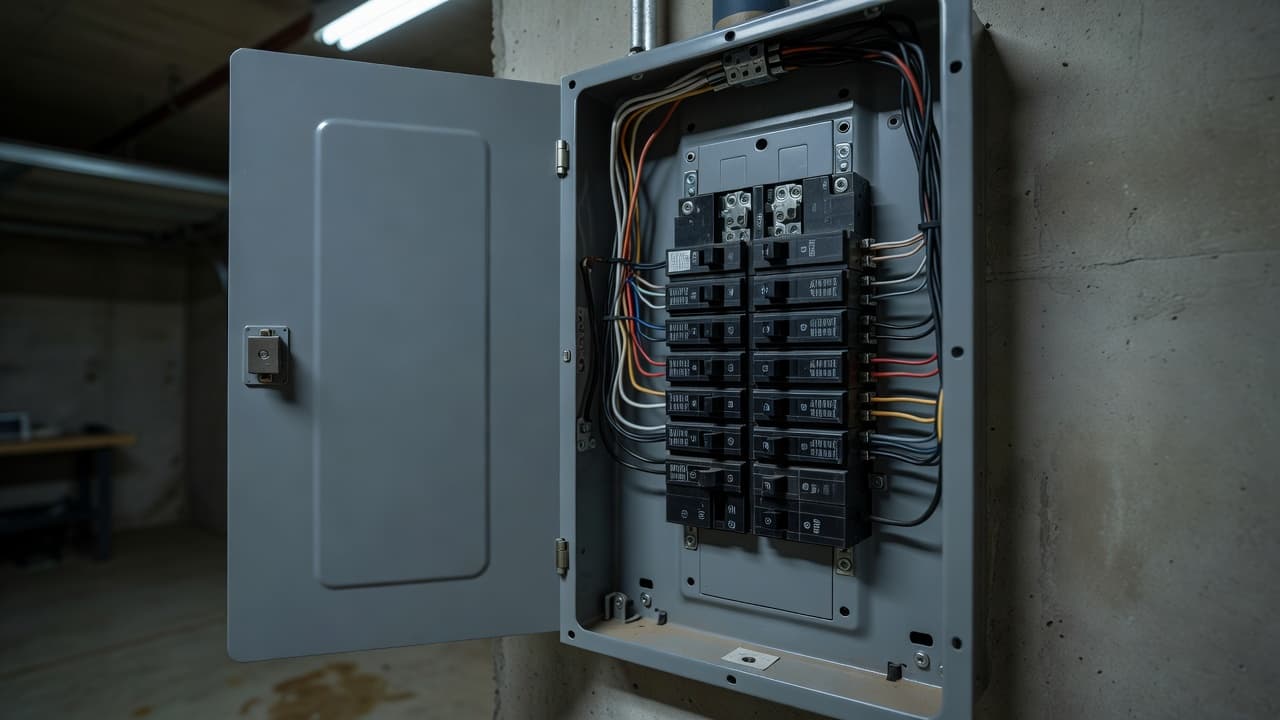
Reset It Once, Then Pay Attention
You can safely attempt to reset the switch at your circuit breaker panel one time, provided there is no smoke, burning smell, standing water near the equipment, or visible damage. To reset it, move the switch fully to the OFF position first, then push it firmly back to the ON position.
If the breaker trips again immediately, leave it in the off position. A repeated AC breaker tripping problem requires a qualified diagnosis, not another attempt to reset it.
A breaker that trips immediately often points to a failed internal component, a wiring issue, or a serious electrical overload.
Dirty Coils and Airflow Problems Make the System Work Too Hard
The outdoor condenser has one job that gets harder in Northport and Tuscaloosa summer weather. It must release heat from inside the home into already-hot outdoor air.
When dirt, pollen, grass clippings, leaves, or cottonwood-like debris pack into the condenser coils, the unit cannot move heat well. Compressor pressure rises, operating temperatures climb, and the resulting overheating causes the electrical current draw to increase until the breaker trips.
A dirty air filter can add to the strain. This airflow restriction across the evaporator coil leads to ice buildup and poor cooling. The issue may begin as weak airflow, then turn into a system that runs constantly and starts shutting down.
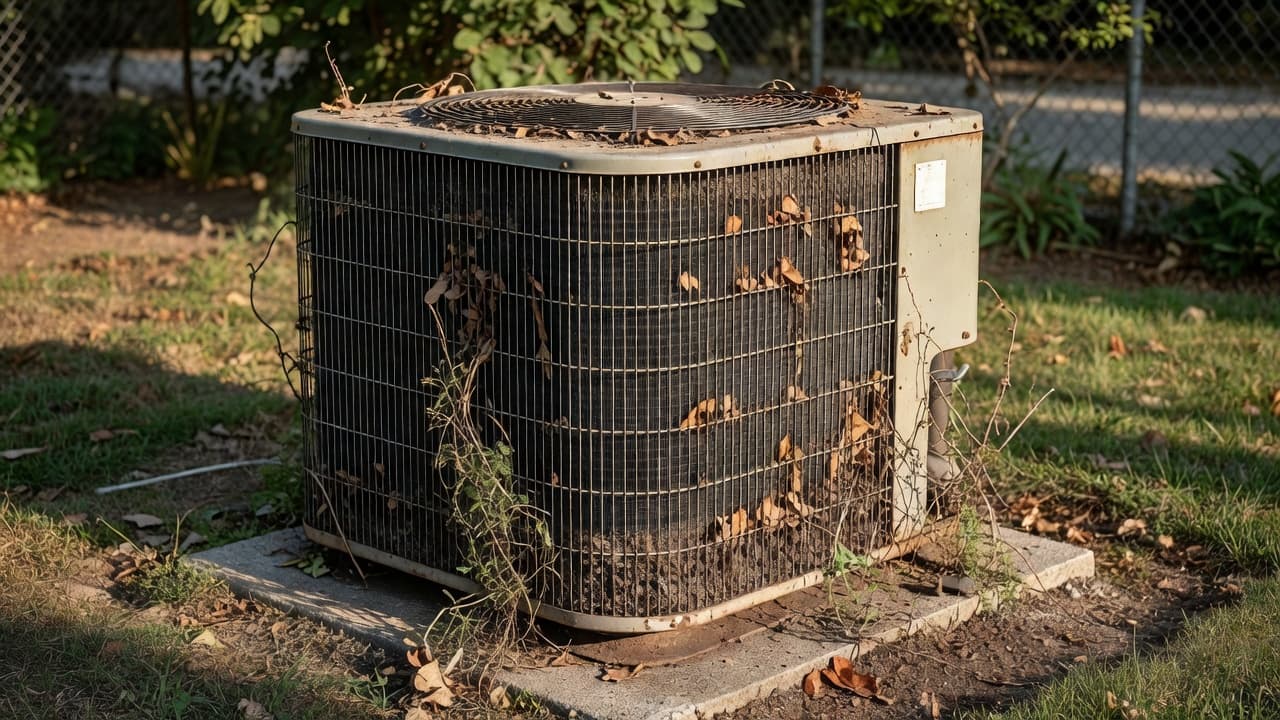
We can change a dirty filter and clear loose debris from around the outdoor unit. Always shut off power at the thermostat before working nearby, and never push tools into coil fins or remove electrical panels.
A coil that needs a proper cleaning should be handled during routine heating and cooling service. We inspect the coil, fan operation, wiring, electrical readings, and refrigerant performance together. Cleaning one dirty part will not fix a failing motor or capacitor.
Refrigerant Issues Can Add More Strain
Low refrigerant usually means there is a refrigerant leak somewhere in the sealed system. It does not simply get used up. Low charge can freeze the indoor coil and make the compressor work outside normal conditions.
A frozen unit may have ice on the refrigerant line, weak airflow, water around the indoor equipment, or warm air indoors. Turning the thermostat off can allow the ice to thaw, but it does not repair the leak or solve the cause.
We do not add refrigerant without checking the system first. The right repair addresses the leak, confirms the charge, and checks whether compressor stress has caused other damage.
Failed Electrical Parts Often Cause Breaker Problems
Electrical components wear out, especially after long cooling seasons. A capacitor may weaken, a contactor can pit and stick, and internal electrical connections can loosen due to constant vibration and heat.
The capacitor provides the electrical push required to manage the startup load of the compressor and the outdoor fan motor. When this component weakens, the AC may hum, click, or trip the breaker as it struggles to initiate a cycle. If your older unit is having trouble kicking on, a technician may suggest installing a hard start kit to give it an extra boost.
A failing fan motor can cause similar issues. If the fan fails to move sufficient air across the condenser coil, the compressor begins overheating, which leads to a dangerous increase in amperage draw. We should never attempt to manually start a stuck fan motor with a tool, as this is dangerous and can cause significant damage to the system.
The compressor is the hardest working and most expensive component in your outdoor unit. A compressor that is internally damaged, failing due to age, or dealing with an electrical short can trip a breaker almost instantly.
These symptoms help narrow down the potential causes:
| What we notice | What may be happening |
|---|---|
| Breaker trips as soon as the AC starts | Electrical short, failed capacitor, contactor issue, or compressor problem |
| AC hums but fan does not spin | Weak capacitor, failed fan motor, or electrical fault |
| Breaker trips after running for a while | Dirty coil, overheating motor, restricted airflow, or compressor strain |
| Breaker trips during rain or after storms | Moisture in components, power surge, or grounded compressor |
| Breaker trips with a burning smell | Overheating wire, motor trouble, or damaged electrical parts |
Timing is a critical clue. If the AC trips only during the hottest part of the day, the system may be operating at its limit due to a weak capacitor, a dirty coil, or a struggling compressor. A unit that works after sunset but fails at 3 p.m. is not truly fixed just because it manages to cool the home at night.
Wiring, Breaker, and Installation Problems Need Careful Testing
Sometimes the air conditioner is not the only issue. The circuit breaker itself can wear out, and a weak breaker may trip below its intended load.
Loose wiring can also create resistance and heat. We may see this in the disconnect box near the outdoor unit, at the circuit breaker panel, in the condenser, or at a wire connection inside the air handler.
Rodent damage, age, corrosion, and storm moisture can damage insulation or expose wiring. These problems can create a short to ground or other electrical faults. These are not safe DIY repairs.
A breaker that is too small for the equipment can also trip under normal use. On the other hand, replacing a breaker with a larger one without checking the wire size and manufacturer requirements is unsafe. The breaker must protect the wiring, not merely stop the nuisance trip.
Never install a larger breaker to force the AC to keep running.
During AC repair in Northport AL, an HVAC technician will check electrical readings against the unit’s data plate, inspect connections, and test the major components under load. That gives us a real answer instead of guessing which part to replace.
What We Can Check Before Calling for AC Repair
We can make a few safe observations before calling an HVAC technician. Details about the failure help us arrive with a clearer picture of what is happening.
- Check whether the thermostat is calling for cooling and note the indoor temperature.
- See if the outdoor unit was running before the breaker tripped.
- Look for ice on the refrigerant line, water near the indoor unit, or debris around the condenser.
- Notice whether the breaker trips immediately, after several minutes, or only during extreme afternoon heat.
- Check for a dirty air filter and replace it if it is heavily loaded with dust.
- Turn the system off if there is smoke, a burning smell, loud buzzing, or repeated breaker trips.
Do not remove the condenser panels. High-voltage power can remain present in electrical components, even when the system is off. We also should not touch exposed wires, pull fuses, or spray water into the electrical compartment.
For landlords and property managers, it helps to ask tenants when the issue began and whether the unit was making new sounds. A loud hum, rattling, clicking, or weak airflow often gives us a useful starting point.
When a Tripping Breaker Is an AC Emergency
No cooling is stressful in West Alabama. It becomes more urgent when the home is hot, humidity is high, or the HVAC system is showing signs of electrical trouble.
Call for emergency AC repair if the breaker trips with any of these conditions:
- A burning smell, smoke, sparks, or melted-looking insulation
- A breaker that trips every time it is reset
- A loud electrical buzz, grinding sound, or banging noise
- Water around electrical components
- No cooling during extreme heat when children, older adults, pets, or health concerns are in the home
Northport HVAC provides 24/7 emergency AC repair for Northport, Tuscaloosa, Coker, Samantha, and surrounding West Alabama communities. We give upfront pricing before repairs begin, explain the failed part, and help you decide whether a repair makes sense.
For Tuscaloosa air conditioning systems, a quick response can protect more than comfort. A unit that keeps trying to start with a serious electrical problem can damage the compressor and increase the final repair cost.
Repair or Replacement Depends on the Whole System
A tripped breaker does not automatically mean you need a brand-new unit. Many issues are easily fixable, such as a faulty capacitor, a pitted contactor, dirty condenser coils, or a struggling fan motor. These common components can often be serviced or replaced without requiring a total overhaul of the equipment.
Replacement becomes worth discussing when the compressor has failed, repair costs continue to stack up, or the system no longer cools your home reliably. When evaluating your options, it is important to look at the entire HVAC system, including the indoor and outdoor equipment, duct condition, and your specific cooling needs.
Northport HVAC works on Trane, Carrier, Rheem, Lennox, Goodman, and Mitsubishi mini-split systems. New system installations include a 1-year labor warranty alongside applicable manufacturer parts warranties.
Frequently Asked Questions
Can I reset the breaker more than once?
You should only attempt to reset the breaker one time. If it trips again immediately, leave it in the off position and contact a professional, as repeated resets can cause permanent damage to your compressor or wiring.
Is it safe to run my AC with a dirty filter?
Running an AC with a dirty filter is not recommended because it restricts airflow, causing the system to work harder and potentially leading to frozen coils or an electrical overload. Replacing the filter is a simple, effective way to reduce strain on your cooling system.
Why does my AC breaker only trip during the hottest part of the day?
High outdoor temperatures force your AC to run longer and work harder to move heat, which can push an already struggling component—like a weak capacitor or dirty coil—past its limit. This suggests your system is operating at the edge of its performance capacity.
Should I install a larger breaker to stop the tripping?
Never install a larger breaker to prevent nuisance tripping. Breakers are sized specifically for the wire gauge and equipment; using a larger one can lead to overheating, melted wiring, and dangerous fire hazards.
Keep the Breaker From Becoming a Bigger Problem
A repeatedly AC breaker tripping is rarely a minor issue that resolves itself. Dirt, heat, worn electrical parts, failing motors, and wiring trouble can all push an air conditioner past its safe operating limit.
The safest move is to stop resetting the breaker and find the source of the electrical overload. A clear diagnosis protects your equipment, the electrical system, and the people inside your home.
Proactive maintenance offers the best chance to catch loose connections, dirty coils, or a failing capacitor before the summer heat puts your entire HVAC system under immense pressure. By addressing these smaller concerns early, you can avoid costly emergency repairs and keep your home comfortable all season long.