How to Fix Weak AC Airflow at the Vents
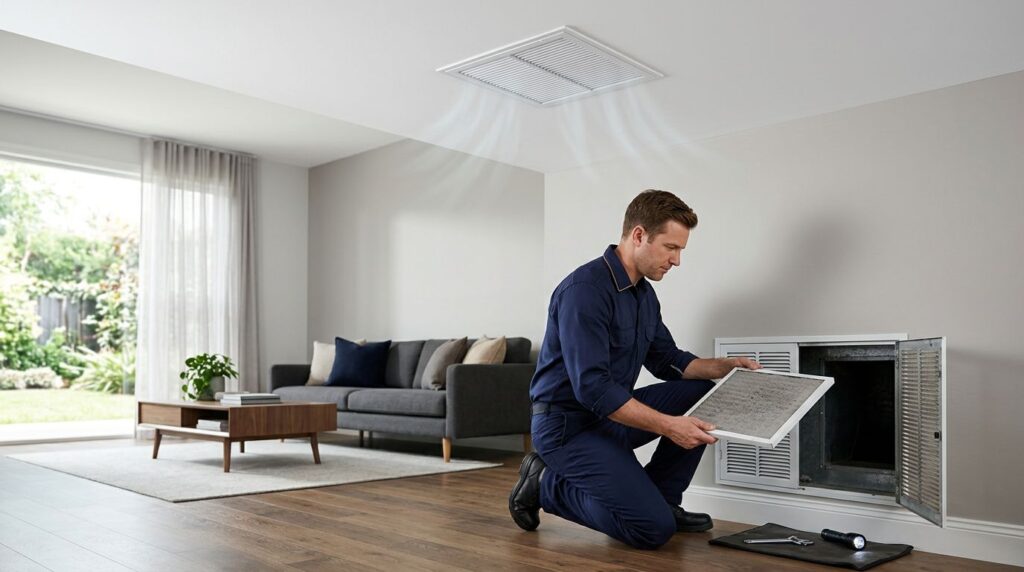
A room can feel hot even when the thermostat says the air conditioning is running. If you are experiencing weak AC airflow, the air coming from your vents may feel faint, some rooms may stay warm, humidity may hang around, and the system may run far longer than it should.
Weak AC airflow usually starts with a blockage, a duct problem, or an issue inside the air handler. We can check a few safe items ourselves first, but it is important to recognize when the underlying problem requires professional AC repair.
The first step is figuring out whether weak airflow affects one room, one floor, or the whole house.
Key Takeaways
- Begin with simple checks: Before calling a professional, inspect your air filter for clogs, ensure all supply vents are open, and confirm that return vents are not obstructed by furniture or household items.
- Identify the scope of the problem: Weak airflow throughout the entire house often indicates a dirty filter, blower motor issue, or frozen coil, whereas weak air in a single room usually points to a damaged or disconnected duct.
- Optimize thermostat settings: Ensure your fan is set to “Auto” rather than “On” to maintain efficiency and prevent the blower from circulating warm, humid air between cooling cycles.
- Recognize signs for professional repair: Strange noises like grinding or squealing, burning smells, frozen coils, or electrical issues require immediate attention from a qualified technician to prevent further system damage.
Start by Finding Where the Airflow Drops Off
Walk through the house while the AC is running. Hold a hand near each supply vent and compare the air movement. We don’t need a special tool to notice that the living room vent blows hard while the back bedroom barely moves air.
That pattern tells us a lot. When you experience weak AC airflow across every vent, it often points to a dirty filter, blower issue, frozen coil, or a blocked return. If you notice only one room is affected, it is more likely tied to closed air vents, a damaged duct, or a duct connection that has come loose in the attic or crawlspace.
| What We Notice | What May Be Causing It |
|---|---|
| Every vent has weak AC airflow | Dirty filter, clogged coil, blower trouble, restricted HVAC airflow |
| One or two rooms feel stuffy | Kinked, leaking, crushed, or disconnected duct |
| Airflow comes and goes | Freezing coil, failing blower motor, electrical problem |
| Air is weak and the house feels humid | Restricted HVAC airflow, refrigerant issue, or oversized duct problem |
| The AC runs but shuts off quickly | Clogged drain, frozen coil, thermostat issue, or safety switch |
Don’t overlook the return vents. Supply vents push cooled air into the house, while return vents pull warm indoor air back to the system. If a couch, rug, storage bin, or closed interior door blocks your return vents, the entire system will struggle to maintain proper HVAC airflow.
Closing several vents to force more air into another room usually makes the problem worse. It raises pressure in the duct system and can strain the equipment.
Check the Air Filter Before Doing Anything Else
A clogged air filter is one of the most common reasons for weak air from AC vents. Because dirty air filters restrict the air entering the system, they act much like trying to breathe through a thick blanket. The blower has to work harder, rooms cool unevenly, and the evaporator coil can freeze.
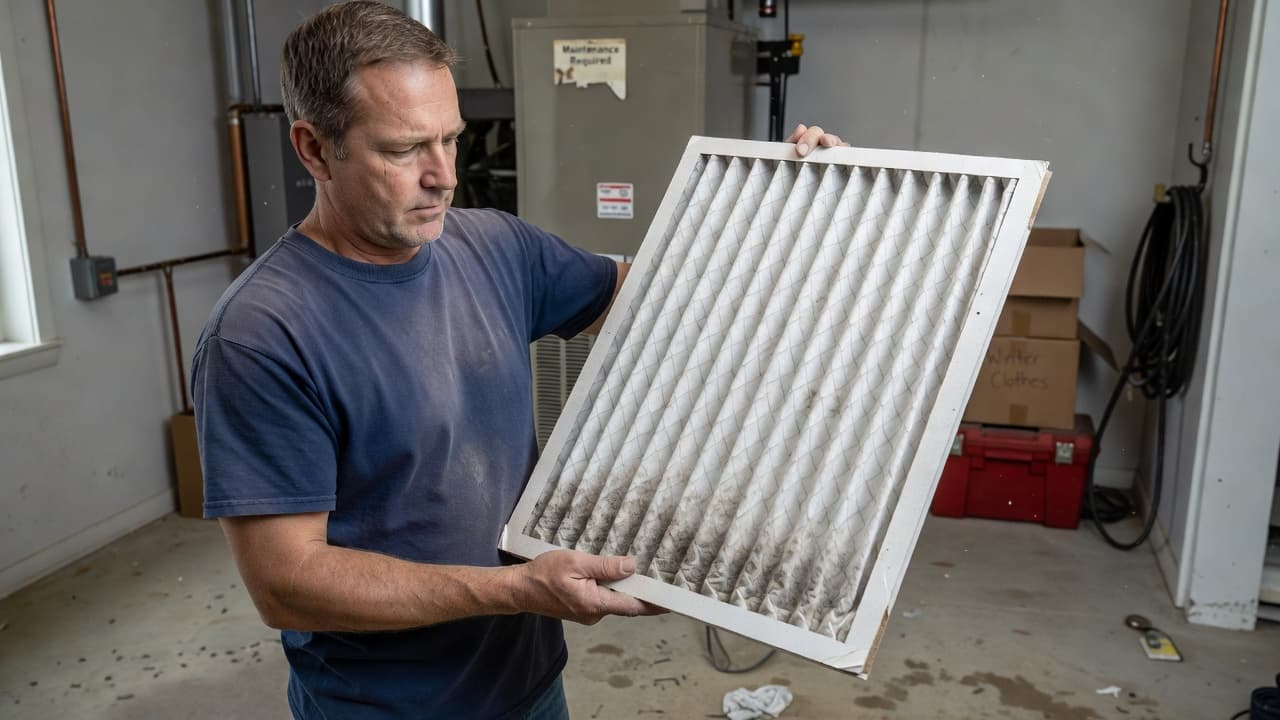
Find the furnace filter at the return grille, furnace cabinet, or air handler. Turn the system off before removing it. Look for a heavy gray coating, pet hair, dust clumps, or a filter that bows inward.
We should replace a disposable filter when it looks dirty, even if the calendar says it has only been in place for a few weeks. Homes with pets, renovations, open windows, or several occupants often need more frequent changes.
Make sure the replacement filter has the correct size and faces the right direction. The arrow on the frame should point toward the air handler or furnace. A filter installed backward can reduce airflow and may bend under suction.
Higher-rated filters can catch smaller particles, but they also create more resistance. If we use a dense filter that the system was not designed to handle, airflow can drop. For many homes, a basic pleated filter changed regularly is a better choice than an extra-thick filter left in place too long.
Open Vents and Clear the Returns
Check every supply register in the affected area. Ensure that closed air vents are not the culprit, as the dampers should be open and the grilles should not be packed with dust. Vacuum the vent cover gently with a brush attachment.
Then inspect your return vents. Move furniture at least several inches away, remove anything leaning against them, and keep curtains from covering the opening. A return blocked by a large sectional can starve the system of air all day.
Check Thermostat and Fan Settings
Incorrect thermostat settings often masquerade as mechanical issues, leading homeowners to believe their system is failing when it simply needs a minor adjustment. Start by ensuring your thermostat is set to Cool and that the temperature is lowered a few degrees below the current room temperature. Next, confirm that the fan setting is switched to Auto.
When the fan is set to On, the blower runs continuously between cooling cycles. While air will continue to flow from the vents, it often feels warmer and weaker because the compressor is not actively cooling the air. More importantly, keeping the fan running constantly can lead to unnecessarily high energy bills. Using the Auto setting ensures the fan only operates when the AC system is actively calling for cooling, which is the most efficient way to maintain comfort.
If your thermostat screen appears blank, behaves erratically, or resets repeatedly, try replacing the batteries first. Loose wiring, a failing unit, or a tripped circuit breaker can also interfere with your heating and cooling operation.
Finally, check your electrical panel for any tripped breakers. A breaker that trips immediately after being reset is a serious sign of an electrical fault that should not be ignored. If you notice this issue, leave the breaker in the off position and schedule professional service right away, especially if you detect a burning smell, hear buzzing sounds, or notice that the air handler will not start at all.
Look for Duct Leaks, Kinks, and Disconnected Sections
Ductwork carries conditioned air through hot attics, crawlspaces, walls, and ceilings. A loose connection or torn flexible duct can lead to leaky air ducts that send a large share of that cooled air into an unconditioned space instead of the room where we need it.

If we can safely see accessible ductwork, look for obvious damage. Flexible ducts should not be sharply bent, flattened under stored items, or hanging so low that they pinch. Check for damp insulation, separated joints, loose tape, and signs of ductwork leaks where air is blowing from a connection.
A single disconnected run can explain why one room has almost no airflow. Long runs to bonus rooms and far bedrooms are common trouble spots. In older homes, undersized ducts or poor duct layout may have been part of the problem from the beginning. Before replacing an aging system, it is worth checking whether existing ductwork can be reused or whether new runs are needed.
We can remove boxes or stored items that rest on ducts. Beyond that, attic duct repairs and complex sealing are usually best left to a professional HVAC technician. Walking on ceiling joists is risky, and common duct tape is not a lasting repair for residential systems. Proper mastic and mechanical connections hold up better in Alabama heat.
If air is strong at the air handler but weak at distant vents, the duct system deserves a close inspection to identify any underlying leaky air ducts.
Watch for a Frozen Coil or Dirty Indoor Equipment
A frozen evaporator coil can stop airflow in a hurry. Ice forms when the coil gets too cold, often because airflow is restricted, there is a refrigerant leak, or refrigerant levels are simply too low. The blower may keep running, but little air reaches the rooms.
Warning signs include warm air, a sudden loss of airflow, ice on the refrigerant line near the air handler, or water around the unit after the ice melts. Turn the cooling system off if we see ice. Continuing to run it can damage the compressor and create a water leak.
A dirty evaporator coil can cause similar trouble. Dust gets past an overdue filter and sticks to the coil’s fins. The coil then cannot absorb heat properly, and airflow suffers. Coil cleaning requires access to the cabinet and should be handled during a professional tune-up.
A clogged condensate drain does not usually cause weak air by itself, but it can trigger a float switch that shuts the system down. In Northport and Tuscaloosa, long humid summers produce a lot of condensate that can negatively impact indoor humidity levels. A slow drain can lead to water damage, musty odors, and a system that stops cooling when we need it most.
Blower Motor Problems Need AC Repair
The blower fan is the central component that circulates air throughout your entire home. If this assembly slows down or fails, every vent in the house will experience weak airflow, so it helps to know the [warning signs of HVAC blower motor failure](https://northporthvac.com/hvac-blower-motor-failure/) before the unit stops moving air entirely. Common issues such as a dirty blower wheel, worn motor bearings, a failing capacitor, loose wiring, or a malfunctioning variable-speed blower motor can significantly restrict your system performance.
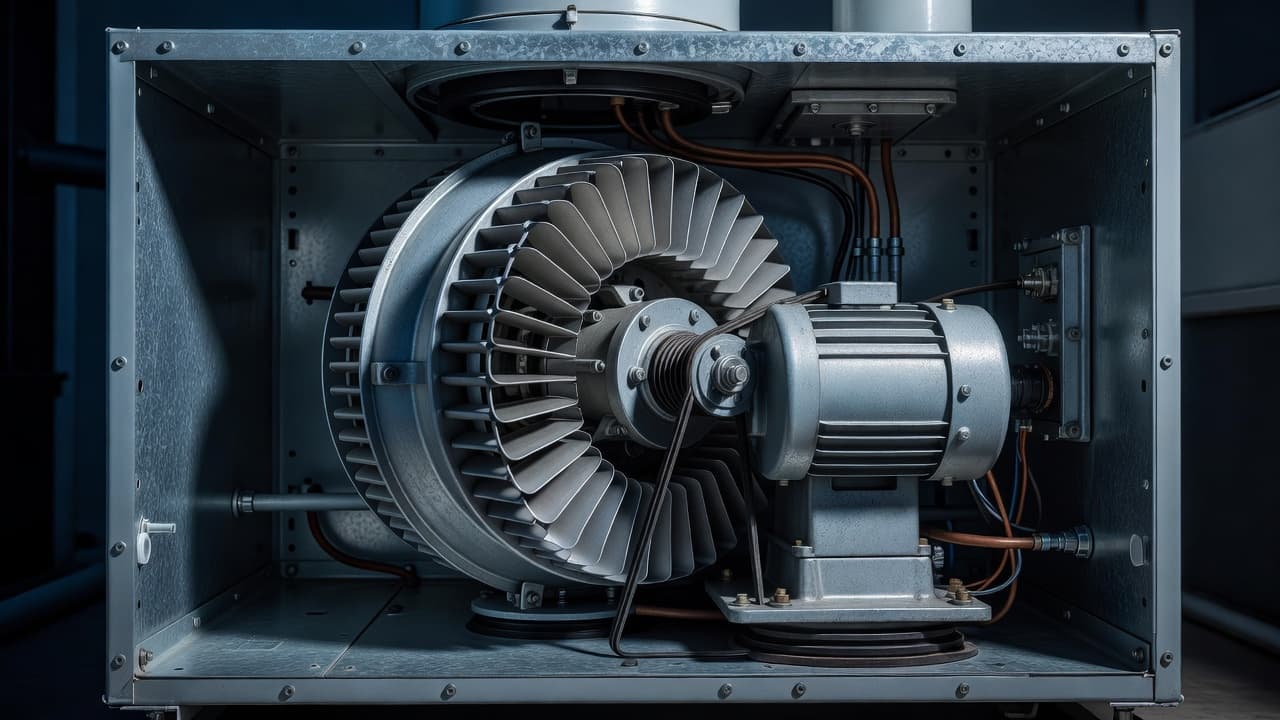
Pay close attention to any strange noises coming from your indoor unit. Squealing, grinding, humming sounds without airflow, repeated clicking, or a burning smell are all indicators that you should stop troubleshooting and schedule professional AC repair. For safety reasons, you should never remove air-handler panels or touch internal electrical components while the power is connected.
A qualified HVAC technician can perform a comprehensive assessment by measuring static pressure, inspecting the blower wheel, testing the motor and capacitor, and checking the indoor coil. This process helps confirm whether the duct system is moving the correct amount of air, which distinguishes a simple mechanical fix from a more complex airflow design issue.
At Northport HVAC, our local HVAC technicians are trained to service Trane, Carrier, Rheem, Lennox, Goodman, and Mitsubishi mini-split systems. We provide clear, upfront pricing before any work begins, whether your system requires a basic cleaning of the blower fan, a damaged duct repair, or a more involved system overhaul.
When Weak Airflow Becomes an Emergency
Weak airflow needs prompt attention when the home is heating up fast, especially during a West Alabama summer. Call for emergency AC repair if the system has a burning odor, electrical buzzing, smoke, ice buildup on the outdoor condenser unit, water leaking through a ceiling, or a breaker that will not stay on.
Landlords and property managers should act quickly when tenants report weak air in an occupied home. Hot upstairs rooms, poor airflow in a nursery, and a system that runs all day without cooling can turn into bigger equipment problems. If you notice persistent performance issues, a professional inspection can help identify underlying faults before they cause a total system failure.
For AC repair Northport AL homeowners can trust, Northport HVAC provides 24/7 service across Northport, Tuscaloosa, Coker, Samantha, and nearby communities. Whether you are looking for reliable local AC repair or a complete air conditioning installation to replace an aging system, we have you covered. Tuscaloosa air conditioning problems do not wait for regular business hours, and neither should a system that is losing airflow during extreme heat.
Frequently Asked Questions
Why does my AC run constantly but fail to cool the house?
If your AC runs continuously without reaching the desired temperature, it often suggests the system is struggling against a major restriction, such as a clogged filter, or a mechanical issue like a refrigerant leak. This extra strain consumes more energy and can lead to a complete system breakdown if the root cause is not addressed.
How often should I check my air filter?
Check your filter at least once a month, especially if you have pets or live in a dusty area. If the filter appears gray or is covered in dust and hair, replace it immediately to ensure your HVAC system maintains proper airflow and efficiency.
Can I close vents in unused rooms to save money?
No, closing vents is not recommended because it increases internal duct pressure and can strain your HVAC equipment. This imbalance can lead to leaky ducts and may cause your evaporator coil to freeze, ultimately making the performance issues worse.
When is it time to call an HVAC technician?
You should call for professional help if your basic checks do not resolve the issue, or if you notice warning signs like ice buildup on the unit, unusual burning odors, or loud mechanical noises. These symptoms often indicate deeper component failures that require specialized tools and training to fix safely.
Restore Airflow Before the Heat Takes Over
Start with the simple checks, such as replacing a dirty filter, ensuring your supply vents are open, verifying that return registers are clear, and confirming the correct thermostat settings. During this initial assessment, it is also worth considering if your issues with cooling power relate to the original HVAC system size, as an improperly sized unit often struggles to move air effectively. If these steps do not restore performance, the problem is likely hidden within the ductwork or the equipment itself.
Weak AC airflow is a warning that the system is working harder than it should. Catching the cause early can protect your home comfort, limit unnecessary utility costs, and keep a minor restriction from turning into an expensive no-cooling emergency. Ultimately, the best way to prevent these problems is through routine maintenance, which ensures your components stay clean and functional throughout the season.