Thermostat Settings That Work in Alabama Summer Heat
When the intense heat settles in, finding the right thermostat setting Alabama summer enthusiasts can rely on feels like the most argued over topic in the home. Set it too low, and the AC may run all afternoon. Set it too high, and the house feels sticky before dinner.
For most homes, a thermostat setting of 76 to 78 degrees is a practical place to start during the day. The ideal indoor temperature still depends on humidity, insulation, airflow, and how your system is performing.
We do not need to guess our way through a Northport or Tuscaloosa summer. A few smart adjustments can keep the house comfortable while saving energy and ensuring the equipment does not have to fight a losing battle.
Key Takeaways
- Optimize Your Baseline: For the best balance of comfort and efficiency during Alabama summers, start with your thermostat set to 78 degrees when you are home.
- Prioritize Humidity Control: High indoor humidity can make 75 degrees feel uncomfortable; ensure your fan is set to “AUTO” to allow moisture to drain properly from the system.
- Use a Consistent Schedule: Avoid large, constant temperature swings. Using a programmable or smart thermostat to raise the temperature slightly while the house is empty helps reduce energy consumption.
- Address Airflow and Maintenance: If your home remains warm despite the correct settings, check for dirty filters, blocked vents, or heat gain from windows and doors before assuming the system is broken.
- Know When to Call for Help: If your system runs continuously, creates ice, or makes unusual noises, the issue is likely a technical fault rather than a thermostat setting problem.
Start With 78 Degrees During the Day
Setting your thermostat to 78 degrees provides a balanced target for your central AC during Alabama’s hottest months. In fact, the Department of Energy recommends 78 degrees as an ideal starting point for homeowners looking to maintain comfort while managing efficiency. This temperature also leaves enough room for your air conditioning system to effectively remove humidity, which matters just as much as the temperature when the air feels heavy and stagnant.
If you normally keep your home at 70 or 72 degrees, moving the setting toward 78 degrees may feel different for a few days. The transition is often easier when you use ceiling fans to circulate air and keep blinds closed during the strongest afternoon sun.
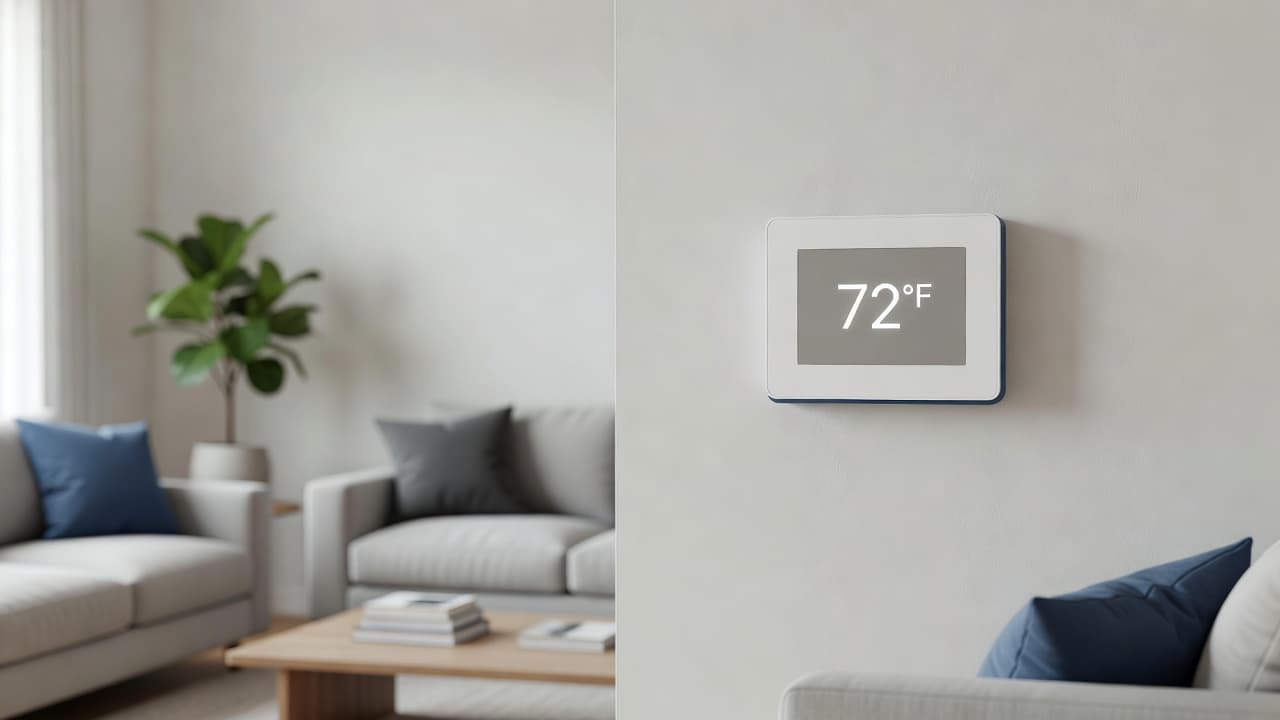
The number on the thermostat is not a promise that every room will feel identical. Upstairs bedrooms, bonus rooms, and rooms with west-facing windows often run warmer. If one room stays hot while the rest of the home is comfortable, dropping the thermostat for the whole house may not fix the real problem.
We usually recommend starting here:
| When the home is occupied | Suggested thermostat range |
|---|---|
| Daytime, active household | 76 to 78 degrees |
| Evening and sleeping hours | 72 to 76 degrees, based on comfort |
| Away for several hours | 80 to 85 degrees |
| Vacation or empty property | 82 to 85 degrees, with humidity in mind |
The goal is not to make the house feel cold; the goal is to keep it consistently comfortable without forcing the AC to run nonstop. By adjusting your thermostat based on this schedule, you can effectively lower your cooling costs and reduce your monthly energy bill.
A lower thermostat setting does not make the system cool faster. It only makes the system run longer.
Most residential air conditioners cool at one steady capacity. Setting the thermostat at 65 instead of 75 won’t speed up the process. It may leave the equipment running for hours and can make a weak system look worse than it is.
Why Humidity Changes the Right Thermostat Setting
Tuscaloosa air conditioning has to handle more than high temperatures. Because humidity control is a vital part of your indoor comfort, your system must pull moisture out of the air. A home can read 75 degrees and still feel uncomfortable if the relative humidity remains high.
That sticky feeling often leads us to turn the thermostat down another two or three degrees. Sometimes that helps. Other times, it only raises the electric bill while the real issue stays in place.
A properly operating air conditioning system removes moisture as it cools. Problems arise when the unit is oversized, short cycling, low on refrigerant, or not moving enough air across the indoor coil. Dirty filters, blocked vents, and blower trouble can also affect comfort.
Watch for signs that moisture is becoming the bigger issue:
- Bathrooms stay damp long after showers.
- Closets or bedrooms have a musty smell.
- The house feels clammy even at a normal thermostat setting.
- Windows show indoor condensation.
- The system runs often but never seems to settle the house down.
If you notice these signs frequently, your HVAC system may be struggling to manage moisture levels, and you might consider adding a whole-home dehumidifier to improve your indoor environment.
We also need to check the thermostat fan setting. For most homes, use AUTO, not ON. In AUTO mode, the blower stops when the cooling cycle ends. That gives moisture on the indoor coil time to drain away.
When the fan is set to ON, it keeps circulating air after cooling stops. That can move some moisture back into the house and make the air feel more humid.
Use a Summer Schedule Instead of Constant Adjustments
A thermostat works best when we give it a steady plan. Repeatedly changing the setting all day can lead to uneven comfort and longer cooling cycles at the worst time.
For a typical weekday, set the temperature a little higher when the house is empty. Bring it back down before people return home. A programmable thermostat or a smart thermostat can handle this automatically, helping you manage your routine without a second thought. Many local experts, including Alabama Power, suggest setting your thermostat to a higher temperature when the home is unoccupied to effectively reduce your monthly cooling costs.
A simple schedule for Northport and Tuscaloosa homes
We can use this as a starting point, then adjust based on the home’s comfort:
- Keep the temperature at 76 to 78 degrees while everyone is home.
- Raise it to around 80 to 82 degrees during work or school hours.
- Set the evening temperature back to the household’s comfortable range.
- Use a modest nighttime reduction if sleeping comfort requires it.
Large temperature swings are rarely helpful in Alabama summer heat. When the indoor temperature is allowed to climb too high, the AC system struggles to bridge the gap between the building heat and the outdoor temperature once the afternoon sun hits the walls, floors, and furniture.
This matters even more in older homes with drafty windows, limited attic insulation, or rooms that get direct sun. Heat builds inside the structure, not only in the air, and cooling that stored heat takes time.
Landlords and property managers can use the same approach in vacant units. Keep the temperature high enough to control costs, but not so high that humidity becomes a problem. A vacant property that stays hot and damp can develop odors, moisture damage, and mold concerns.
Make the House Easier for the AC to Cool
The thermostat is only one part of the cooling system. If your home is gaining heat faster than the air conditioner can remove it, a lower setting will not solve the problem.
Before calling for AC repair in Northport and Tuscaloosa, Northport AL homeowners can check a few simple things. These DIY steps are a useful precursor to professional AC maintenance, as they can reveal obvious airflow issues that might be hindering your system.
- Replace a dirty air filter with the correct size and type.
- Open supply vents and keep return vents clear of furniture or curtains.
- Close blinds and curtains on sunny windows, especially in the afternoon.
- Run ceiling fans counterclockwise to create a refreshing downward breeze.
- Check exterior doors for gaps and worn weatherstripping.
- Keep the outdoor condenser clear of leaves, mulch, grass, and stored items.
Ceiling fans do not actually lower the air temperature. Instead, they help people feel cooler by moving air across the skin. You should turn them off in empty rooms, as a fan only helps when someone is there to feel the effect.
A dirty air filter is one of the most common issues we find during heating and cooling service. Restricted airflow can lead to weak output at the vents, longer run times, and even a frozen evaporator coil. If the indoor unit freezes, turning the thermostat lower will only make the problem worse.
The same principle applies to closed vents. It may seem logical to close vents in unused rooms, but many systems require balanced airflow to operate correctly. Closing several vents can increase pressure in the ductwork and reduce comfort throughout the rest of the home.
When the Thermostat Is Not the Problem
Sometimes the thermostat is set correctly, but the system still cannot keep up. In Northport, Coker, Samantha, and Tuscaloosa, this becomes obvious when the extreme heat and the high heat index make the Alabama summer feel relentless.
An AC that runs continuously on a hot afternoon is not always failing. Most experts recommend the 20-degree rule, which suggests that an HVAC system will struggle to maintain an indoor temperature more than 20 degrees lower than the outdoor temperature. If your system runs for long periods during a day where the outdoor temperature hits triple digits, it may be working as intended. The concern starts when the house keeps getting warmer, airflow is weak, or the supply air feels warm.
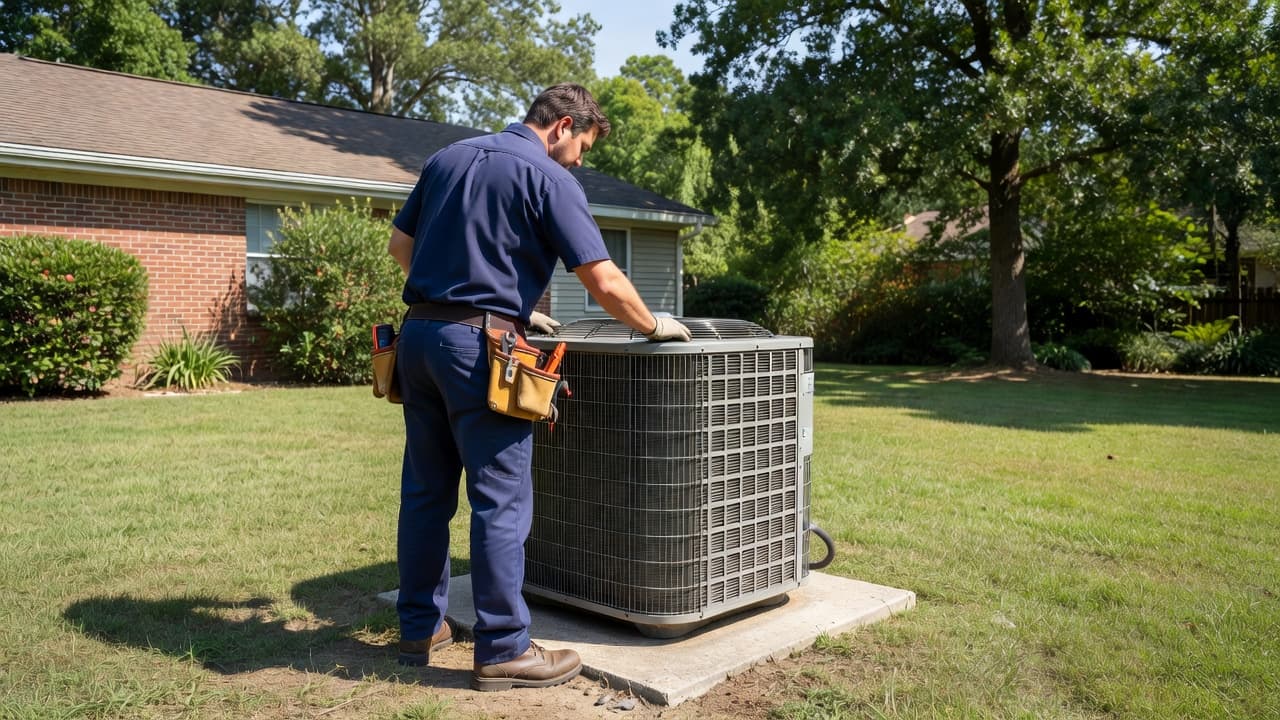
Call for service when we notice any of these problems:
- The thermostat is set below the indoor temperature, but the room keeps warming up.
- Air barely comes from the vents.
- The outdoor unit is silent while the indoor blower runs.
- Ice forms on the refrigerant line or indoor equipment.
- Water collects near the air handler or around a ceiling vent.
- The system makes new grinding, banging, squealing, or electrical buzzing sounds.
- It turns on and off every few minutes.
A thermostat can also cause trouble if it sits near a sunny window, kitchen, lamp, supply vent, or exterior door. That location may give it a false reading. If the thermostat temp says 74 but the bedrooms feel 80, we need to look beyond the number.
Northport HVAC can inspect thermostat controls, airflow, refrigerant performance, drain lines, duct conditions, and the equipment itself. Our local HVAC technicians service Trane, Carrier, Rheem, Lennox, Goodman, and Mitsubishi mini-split systems. We explain the issue and provide upfront pricing before repairs begin.
For a total cooling failure, emergency AC repair is available around the clock. That matters when indoor temperatures rise quickly, especially for young children, older adults, pets, and tenants in occupied properties.
Frequently Asked Questions
Does setting my thermostat to a lower temperature cool my home faster?
No, residential air conditioning systems operate at a single speed. Setting the thermostat to a much lower temperature will not speed up the cooling process, but it will force your unit to run for a longer period, which increases wear and energy costs.
Why should I keep my thermostat fan set to ‘AUTO’ instead of ‘ON’?
Setting your fan to ‘AUTO’ ensures the blower only runs when the system is actively cooling. If the fan is left in the ‘ON’ position, it will circulate air even when the cooling cycle is finished, which can re-introduce moisture back into your home from the indoor coil.
How can I make my home feel cooler without lowering the thermostat?
To improve comfort, use ceiling fans to create a breeze, keep blinds or curtains closed during peak afternoon hours, and ensure your HVAC registers are clear of furniture. These simple steps help manage heat gain inside your living space without putting extra demand on your AC unit.
What is the ’20-degree rule’ for air conditioning?
Most residential HVAC systems are designed to maintain an indoor temperature that is approximately 20 degrees cooler than the outdoor temperature. If it is 100 degrees outside, your system may struggle to get the interior much lower than 80 degrees, even if it is functioning perfectly.
A Comfortable Setting Should Not Feel Like a Struggle
The best thermostat setting for an Alabama summer is one your home can maintain without running your cooling system into the ground. By starting around 76 to 78 degrees, keeping the fan on AUTO, and utilizing consistent schedule changes, you can achieve a balance between home comfort and energy efficiency.
If the air stays humid, rooms cool unevenly, or the system never catches up, the temperature setting may not be the root cause. A reliable thermostat should support your cooling needs rather than masking an underlying AC problem that requires professional attention. Taking these steps not only keeps your home pleasant during the hottest months but also helps prevent an unexpectedly high power bill at the end of the season.