What Causes a Musty Smell When the AC Runs?
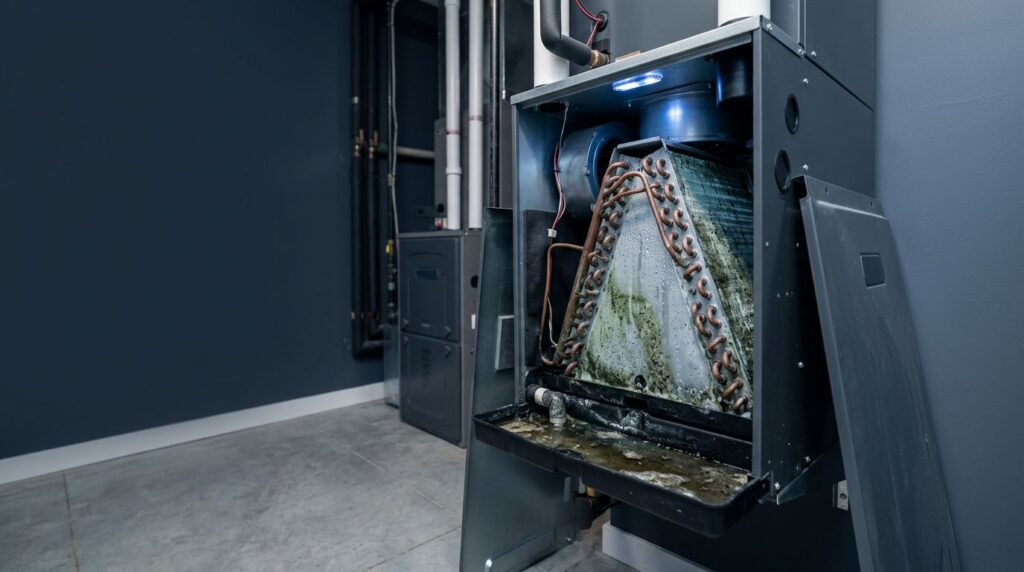
When you notice a musty AC smell the moment you turn on your cooling unit, it is a sign that your HVAC system requires attention. This odor often indicates that moisture is sitting where it should not, creating the perfect environment for mold and mildew to thrive, along with bacterial growth. In the industry, this persistent damp scent is frequently referred to as dirty sock syndrome.
Sometimes the fix is as simple as replacing a dirty air filter or clearing a clogged condensate drain. Other times, the odor points to a dirty evaporator coil, wet ductwork, or a drainage issue caused by moisture buildup that needs professional attention before it damages your walls or shuts the system down entirely.
A musty AC smell usually starts with moisture trapped inside the cooling system, not with the outdoor unit.
Key Takeaways
- A musty AC smell typically signals trapped moisture, which acts as a breeding ground for mold, mildew, and bacteria within the cooling system.
- Common causes for this odor include dirty evaporator coils, clogged condensate drain lines, damp air filters, or external moisture sources like wet ductwork.
- The issue is often most noticeable when the blower first activates, forcing stale air from the damp internal components into the home.
- Homeowners can perform simple tasks like replacing dirty filters or clearing the outdoor drain outlet, but persistent odors require professional inspection to prevent water damage or system failure.
Why an Air Conditioner Can Smell Damp or Mildewy
Air conditioning removes heat from our homes, but it also effectively manages indoor humidity levels. As warm indoor air passes over the cold evaporator coil, moisture condenses and drips into a drain pan. From there, it should flow through the condensate drain line and safely outside or into an approved drain.
When that moisture does not drain or dry properly, the system can develop a damp, stale smell. Mold and mildew do not need much to get started, as stagnant water in the drain pan or excess moisture trapped near the evaporator coil can create the perfect breeding ground for odors to build.
The smell is often strongest when the system first starts. The blower pushes air across the damp area and sends that odor through the AC vents. It may fade after the AC has run for a while, but fading does not mean the problem went away.
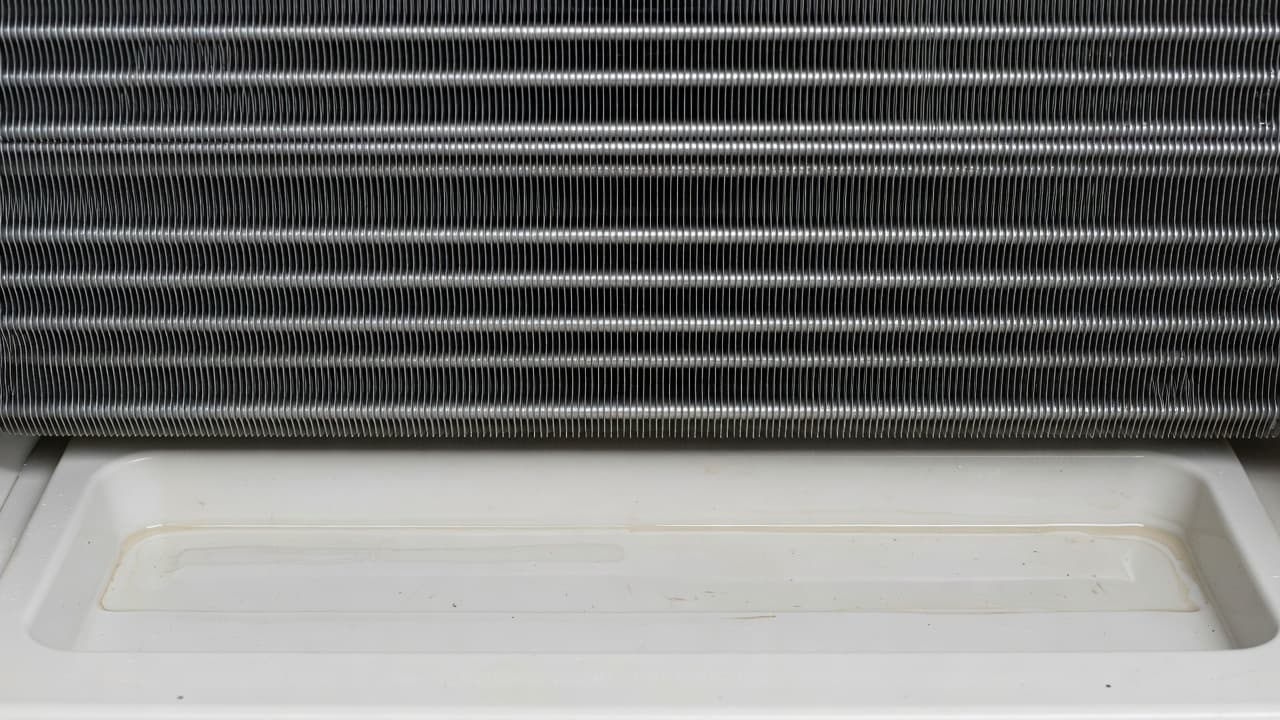
In Northport and Tuscaloosa, high summer humidity makes this issue more common. Our air conditioners work hard for long stretches, and that means they produce a lot of condensation. A small drainage problem can become a larger one quickly.
A musty odor can also come from the house itself, which often impacts your overall indoor air quality. Damp carpeting, a crawl space, a bathroom exhaust issue, or water-damaged drywall can send smells into return vents. That is why we should not assume the AC unit is always the only source.
The Most Common Sources of a Musty AC Smell
A Dirty Evaporator Coil Holds Dust and Moisture
The evaporator coil sits inside the indoor portion of the HVAC system. It is cold while the AC runs, and it is one of the main places where humidity turns into water.
Dust, pet hair, pollen, and household debris can stick to the evaporator coil over time. Once that buildup gets wet, it creates a film that can hold moisture and produce a mildew-like smell. Restricted airflow also makes the system work harder and may lead to frozen evaporator coil components.
A neglected filter often starts this chain of events. If air cannot move freely through the filter, more dirt can collect around the indoor equipment.
A Clogged Condensate Drain Line Can Leave Standing Water
A condensate drain line carries water away from the indoor unit. Algae, slime, dust, and small debris can narrow or block that line. If you are dealing with a clogged drain line, water will back up into the drain pan, where it can smell stale and musty.
We may notice a puddle around the air handler, water near a ceiling vent, or a system that shuts down without warning. Many systems have a float safety switch that cuts power when water rises too high in the pan.
Water around indoor HVAC equipment is never a wait-and-see problem. It can lead to ceiling damage, mold growth, and an AC shutdown.
If the outdoor drain outlet is accessible, we can remove leaves, mulch, or dirt around the opening. A shop vacuum can sometimes pull light buildup from the pipe. We should not push wire, screwdrivers, or coat hangers into the line, because cracked PVC creates a different repair.
A Wet or Dirty Air Filter Can Spread Odors
A clean air filter does more than collect dust; it protects the blower, coil, and the entire HVAC system from debris. If the air filter stays in place too long, gets damp, or becomes heavily loaded with contaminants, the air can pick up that stale odor as it passes through the unit.
Higher-rated filters are not always better for every system. Dense filters can restrict airflow if the equipment was not designed for them. For many homes, a standard pleated filter changed regularly is a better choice than an extra-thick filter left in place for months.
Ductwork Can Carry a Smell From Another Moisture Problem
Ductwork does not create mildew by itself. It can, however, move bad odors from wet insulation, a damp attic, a crawl space, or dirty internal components.
Professional cleaning for your ductwork may help when heavy dust and debris are affecting airflow or indoor air quality. It will not solve a clogged drain line, refrigerant problem, failing blower motor, or wet insulation. We need to find where the moisture is coming from first.
What We Can Check Before Scheduling Service
A few safe checks can help us narrow down the source without removing panels or touching electrical parts. Start with the easy items, especially if the system is still cooling normally.
- Replace the air filter if it looks gray, matted, damp, or overdue for replacement.
- Check that all AC vents are open and not blocked by furniture, curtains, or boxes.
- Look around the indoor unit for water, stained drywall, rust, or visible signs of moisture buildup on the floor.
- Check the outdoor drain outlet for leaves, grass clippings, or mud at the opening.
- Notice when the odor appears, whether it starts immediately, comes and goes, or gets worse after rain.
The timing tells us a lot. A smell that starts only when cooling begins often points toward the coil, drain pan, or drain line. An odor that remains even with the HVAC system off may be coming from another moisture source in the home.
We should also pay attention to airflow. Restricted airflow paired with a musty odor can mean a dirty filter, a frozen evaporator coil, or a blower issue. If ice is visible on refrigerant lines or the indoor unit, it could indicate a refrigerant leak; turn cooling off and schedule service immediately. Continuing to run a frozen system can damage equipment and worsen water leaks.
Do not spray household fragrances into return vents. They may cover the bad odors for an hour, but they do not remove mold, standing water, or the source of the smell.
When a Musty Odor Needs Professional AC Repair
A mild scent after a long period without cooling may clear up after a filter change and normal operation. However, a persistent musty AC smell is different. If the odor returns every time the cooling system starts, the equipment needs a proper inspection. It is worth noting that while many homeowners search for a cabin air filter when trying to solve home cooling issues, that term specifically applies to vehicles; your home unit requires high-quality residential air filters to maintain proper air quality.
Our professional HVAC technician team will inspect the drain system, evaporator coil, blower area, electrical connections, cabinet condition, and overall cooling operation. We look for the actual source of the problem instead of treating every incident as a simple duct-cleaning job.
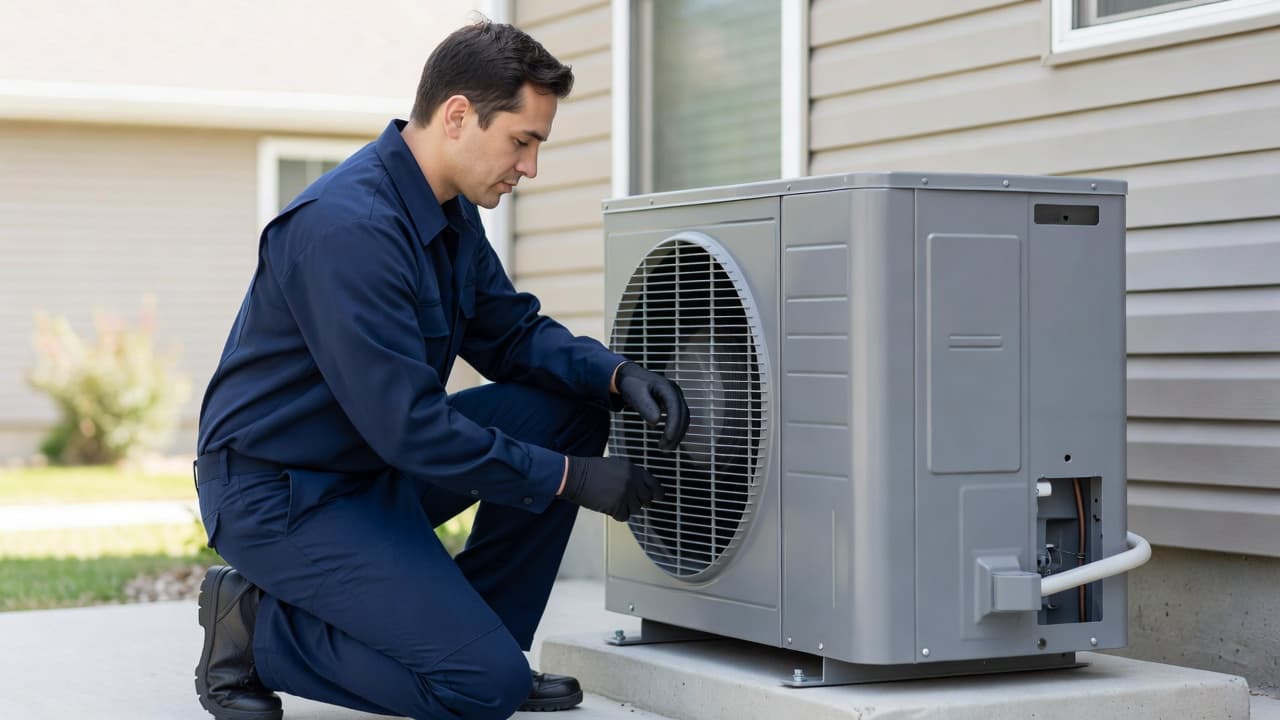
Call for AC repair Northport AL homeowners can rely on if we find any of these warning signs:
- Water is pooling near the indoor unit or dripping through a ceiling due to a clogged drain line.
- The AC shuts off repeatedly or the float switch has tripped due to excess moisture.
- Cooling is weak, airflow has dropped, or ice is forming on the coils.
- The bad odors are strong enough to spread through several rooms.
- We see visible mold-like growth around vents, insulation, or indoor equipment.
- The smell comes with buzzing, burning, smoke, or a breaker that trips.
A musty smell alone does not always require emergency AC repair. However, water near electrical components, a ceiling leak, burning odors, or a system that cannot cool during extreme heat should be treated as urgent.
Our local experts provide heating and cooling service throughout Northport, Tuscaloosa, Coker, Samantha, and nearby West Alabama communities. We service systems from Trane, Carrier, Rheem, Lennox, Goodman, and Mitsubishi mini-split systems. Before we perform work on your HVAC system, we provide clear upfront pricing and explain exactly what we found.
Keeping Musty Odors From Coming Back
Annual maintenance is the most reliable way to keep small moisture issues from turning into bigger repairs. During a tune-up, we clean and inspect the condensate drain line, verify the condition of the evaporator coil, check airflow, and look for early signs of drainage trouble.
Regular air filter changes matter too. The right replacement schedule depends on the home, pets, indoor air quality, and filter type. A home with several pets may need more frequent changes than a home with one occupant and no pets.
Keeping return vents and AC vents clear helps the whole system breathe. A large sectional pushed against a return grille can restrict airflow all day. Closed supply vents, packed vent covers, and blocked returns can all contribute to poor circulation and extra strain on the equipment.
For landlords and property managers, a quick maintenance visit before the hottest part of summer can prevent a stale-smelling unit from becoming a tenant complaint, water-damage claim, or after-hours call. Tuscaloosa air conditioning systems rarely get a long break in July and August, especially when high humidity levels put the equipment under constant pressure.
Frequently Asked Questions
Can I use household sprays or air fresheners to get rid of the musty smell?
No, using sprays or fragrances will only mask the odor temporarily without addressing the actual problem. You must identify and eliminate the source of moisture or organic growth within the system to truly resolve the issue.
Is a musty smell from the AC dangerous to my health?
If the smell is caused by mold or mildew buildup in your system, it can potentially circulate spores through your home and impact indoor air quality. It is best to address the smell promptly to ensure your household breathing environment remains clean and healthy.
Why does the smell only happen when the AC turns on?
The odor is most noticeable at start-up because the blower forces air directly across damp, dirty components like the evaporator coil and drain pan. As the system runs, the concentration of the smell may seem to fade, but the moisture source remains active inside the unit.
How often should I have my AC system checked to prevent odors?
Annual professional maintenance is the most effective way to prevent musty smells by ensuring the drainage system is clear and the coils are clean. Scheduling a tune-up before the hottest months of the year can help you avoid unexpected repairs during peak heat.
A Fresh-Smelling AC Starts With Dry, Clean Equipment
A musty AC smell when the system runs is usually a message about moisture, dirt buildup, or drainage issues. Replacing a dirty air filter and checking for visible water are good first steps, but recurring odors need a closer look.
The goal is not to mask bad odors. The goal is to remove the moisture source that caused them in the first place.
By keeping the evaporator coil clean, ensuring the drain line is clear, and maintaining proper airflow throughout your entire HVAC system, your unit should cool the house without bringing a damp basement smell along with it. To ensure a truly fresh home, prioritize annual maintenance as the final step in keeping these issues from returning.