Why a Furnace Limit Switch Keeps Tripping
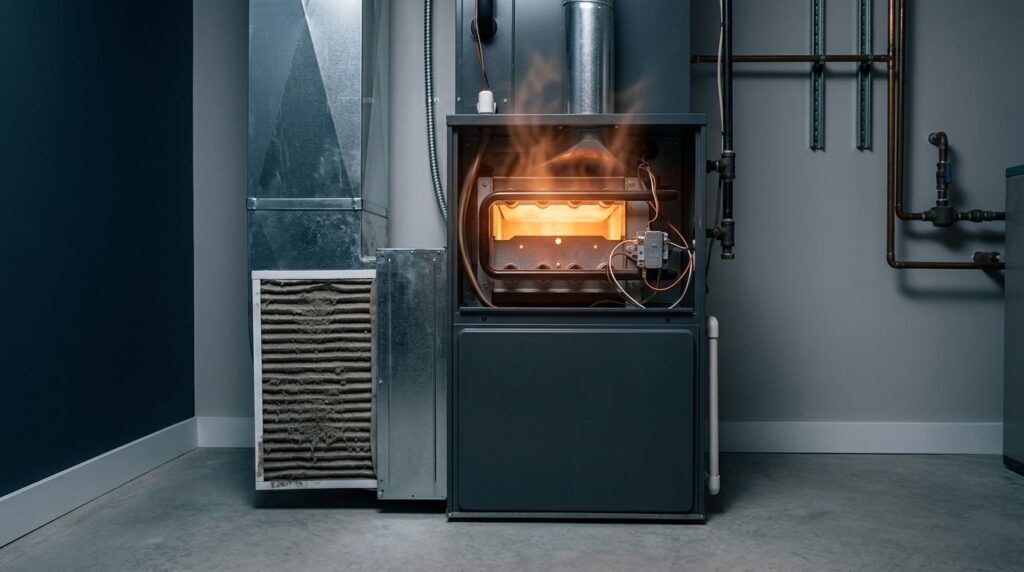
A furnace that starts, shuts the burners off early, and leaves the blower running is often protecting itself from excess heat. A furnace limit switch is built to stop the burners when temperatures inside the unit rise too high.
At Northport HVAC, we see repeated limit trips most often when airflow is restricted, not because the switch suddenly failed. Start with the safe, visible checks, then have the furnace tested if the problem returns.
Why a furnace limit switch trips repeatedly
The switch protects the heat exchanger
The limit switch monitors temperatures around the heat exchanger. When heat builds beyond the furnace’s safe operating range, it opens the safety circuit and stops the burners.
Many furnaces keep the blower running after that happens. The moving air helps cool the heat exchanger before the system can try another heating cycle. As Carrier explains in its furnace limit switch guide, this control helps prevent overheating and equipment damage.
A reset does not solve the root problem
Some limit switches reset automatically after the furnace cools down. That can create a frustrating pattern where the burners restart, run briefly, and shut off again.
A furnace limit switch that trips more than once is reporting a problem, not creating one. Replacing the switch without finding the heat or airflow issue can leave you with the same breakdown.
Restricted airflow is the most common cause
Warm air must move across the heat exchanger at the right rate. When that airflow slows, heat stays in the furnace cabinet longer and the high-limit control reacts.
Dirty filters and blocked returns raise furnace temperature
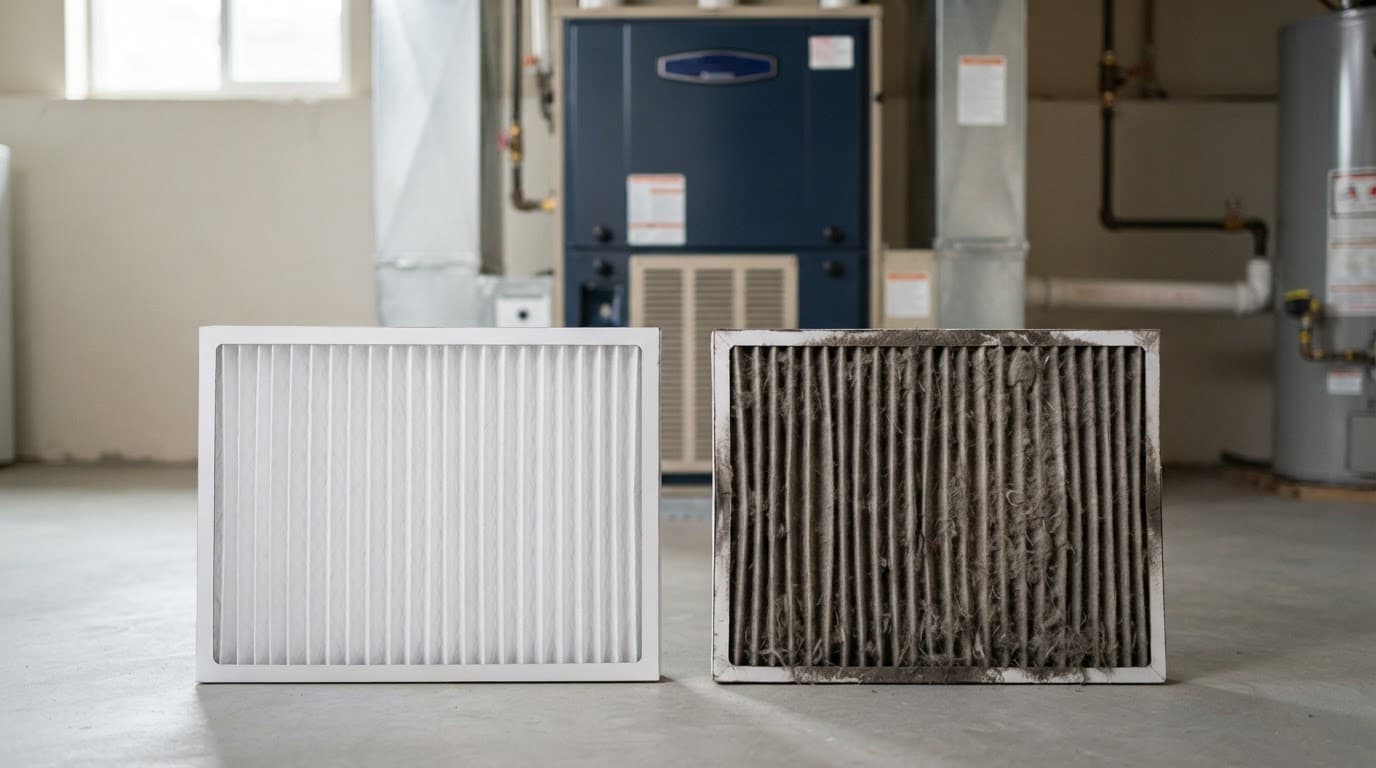
A gray, matted, or overdue filter can choke the return-air path. Furniture against a return grille, closed supply registers, and heavy dust on grilles can cause the same problem.
Before scheduling service, we recommend these safe checks:
- Replace an overdue filter with the correct size and type for your system.
- Open supply registers throughout the home instead of closing rooms to force more heat elsewhere.
- Move furniture, curtains, storage bins, and pet beds away from return grilles.
- Note whether the blower sounds weak or runs long after the burners stop.
A dense filter can also create too much resistance if the system was not designed for it. Our guide on when to change HVAC filters in Alabama can help you build a schedule that fits your home, pets, and filter type. Bryant’s limit switch overview also identifies clogged filters, blocked returns, and dirty coils as common airflow concerns.
Duct, coil, and blower problems need measured testing
A dirty evaporator coil, clogged blower wheel, failing blower motor, crushed flex duct, or undersized return can all reduce airflow. Closing several vents often makes the pressure problem worse.
For Tuscaloosa air conditioning in summer, the same return-air path must stay open and clear. We also see these shared airflow issues behind many calls for AC repair in Northport, AL.
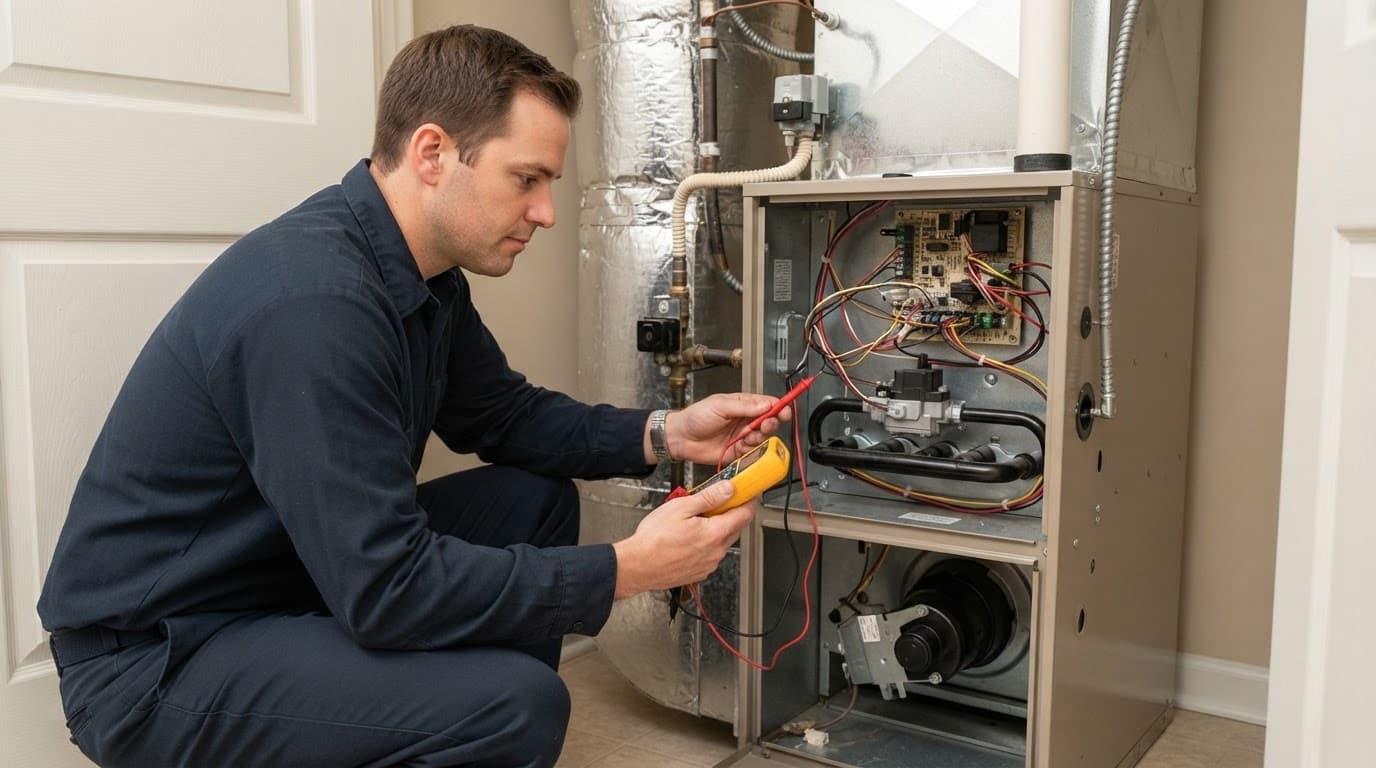
When the cause isn’t visible, trained local HVAC technicians can measure static pressure, temperature rise, and airflow at registers. A duct blaster and digital manometer may also help locate hidden duct leaks or restrictions. Standard gray cloth-backed duct tape is not a lasting repair in a hot Alabama attic. Proper duct repairs use secure mechanical connections and suitable mastic or UL 181-rated foil tape.
Other furnace problems that can trigger the switch
Blower and control faults can slow air movement
The blower may run but still move too little air. A weak motor, worn capacitor, failing relay, damaged ECM module, or loose wiring can reduce airflow enough to overheat the furnace.
We check more than whether the fan turns on. A proper diagnosis compares temperature rise and pressure readings with the furnace manufacturer’s allowable range, then tests the components that affect blower speed.
Combustion and venting concerns require prompt attention
Repeated limit trips do not automatically mean the heat exchanger is damaged. Still, a technician should inspect the burners, venting, combustion air, and heat exchanger when the furnace overheats often or shows other warning signs.
If you smell gas, a carbon monoxide alarm sounds, or you see soot or scorching near the unit, leave the home and call 911 or your gas utility from outside. Do not remove furnace panels or attempt to bypass a safety control.
Bypassing a limit switch removes the furnace’s protection against overheating and can turn a repairable airflow problem into serious equipment damage.
Safe steps before calling for furnace repair
A new filter and clear vents can resolve a simple restriction. However, don’t keep restarting the furnace after it trips, and don’t press a manual-reset control unless a qualified technician directs you to do so.
Call for service promptly if the burners repeatedly shut down, airflow is weak at several vents, the furnace makes unusual noises, or the home never reaches the thermostat setting. At Northport HVAC, we provide heating service in Northport and Tuscaloosa with clear explanations and upfront approval before repair work begins.
Routine heating and cooling maintenance also catches dirty coils, loose electrical connections, and restricted airflow before winter demand rises. That attention is less disruptive than emergency AC repair during a West Alabama heat wave.
Final thoughts
A recurring limit trip is a furnace safety message that deserves attention. The most likely issue is restricted airflow, although blower, control, combustion, and venting faults also need professional testing.
Clear airflow protects both comfort and the furnace itself. Replacing the filter, keeping returns open, and acting quickly when the pattern repeats can prevent a small problem from becoming a no-heat call.