Commercial Comfort Systems That Keep Buildings Comfortable
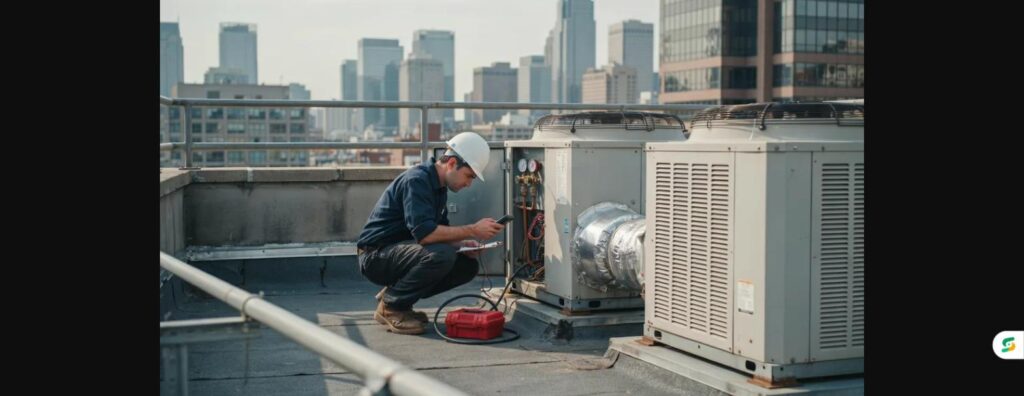
A business can lose comfort long before the air conditioner stops completely. Uneven rooms, sticky indoor air, weak airflow, rising utility bills, and surprise shutdowns all point to problems in commercial comfort systems that deserve attention.
West Alabama’s long, humid summers put cooling equipment under steady pressure. The right solution depends on your building size, occupancy, operating hours, ventilation needs, existing ductwork, and budget. A small retail space and a busy multi-tenant property rarely need the same approach.
What Commercial Comfort Systems Include and How They Work
Commercial comfort systems manage temperature, humidity, ventilation, and indoor air quality throughout a building. They include the equipment that heats and cools the air, the ductwork that moves it, and the controls that tell each component when to run.
A thermostat or building control senses indoor conditions and calls for heating or cooling. Then, the system circulates air through supply ducts, pulls room air back through returns, and removes moisture during cooling cycles. When every part works together, occupants experience steadier temperatures and less clammy air.
Commercial equipment is often more complex than a typical residential setup. It may serve large open areas, separate tenant spaces, kitchens, offices, storage rooms, or buildings with changing occupancy throughout the day.
### Common Equipment for Commercial Buildings
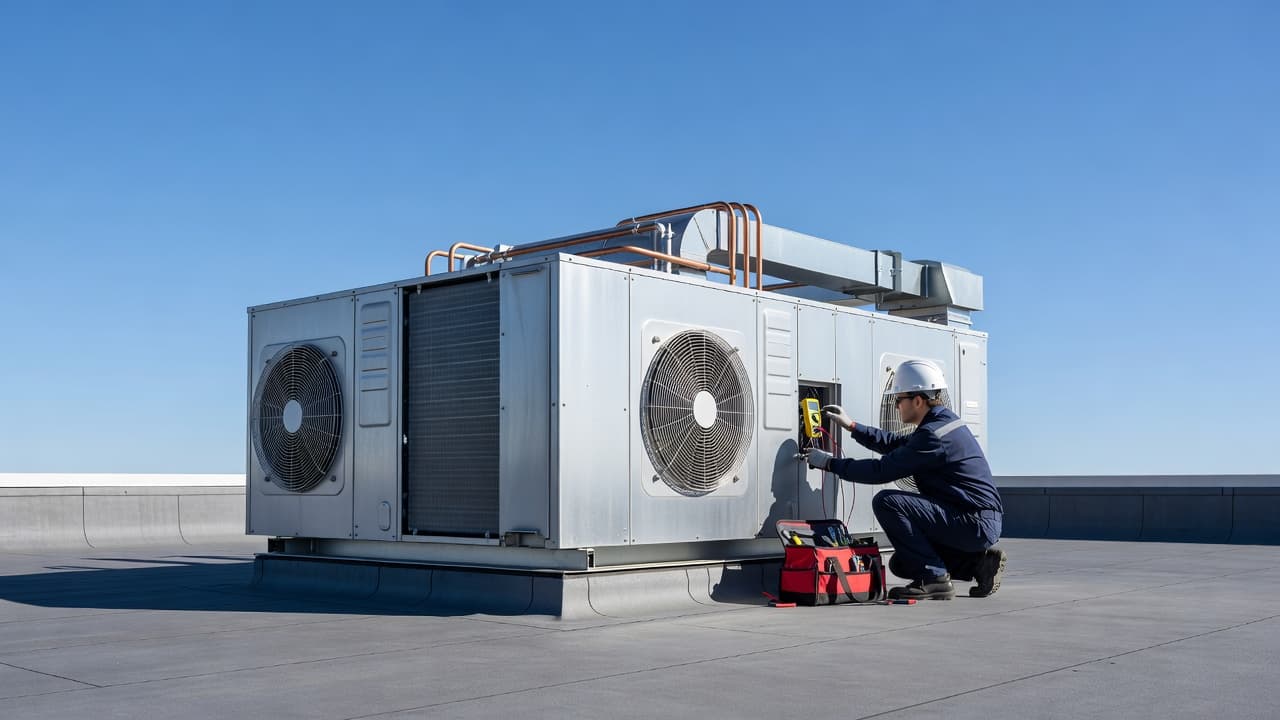
Many commercial properties use more than one type of equipment. A rooftop unit combines heating and cooling components in one outdoor cabinet. Split systems separate the indoor and outdoor sections, while heat pumps provide both cooling and heating.
Packaged systems, ventilation fans, ductwork, thermostats, and zoning controls also play a role. Zoning lets different areas run at different settings, which helps when a sunny storefront, private office, and warehouse have different comfort demands.
Restaurants may need stronger ventilation and makeup air. Multi-unit buildings may need separate systems for individual suites. Warehouses often need a plan that accounts for ceiling height, loading doors, and large temperature swings.
Why Proper Sizing and Airflow Matter
Equipment that is too small may run for long periods without reaching the set temperature. However, an oversized system can cool the air too quickly, shut off early, and leave too much humidity behind.
Airflow problems create similar symptoms. A blocked return grille, closed supply vents, crushed flex duct, loose duct connections, or a poorly placed thermostat can leave one area warm and another uncomfortably cold.
Comfort problems often begin with airflow or sizing, not a failed outdoor unit. Restricted airflow also makes motors and compressors work harder, which can raise operating costs and shorten equipment life.
Closing multiple supply vents to force air into one room can increase duct pressure and make uneven temperatures worse elsewhere.
How Commercial HVAC Services Improve Comfort and Energy Efficiency
Professional commercial HVAC service starts with testing, not guessing. We inspect the equipment and the conditions around it, then explain what failed, what caused it, and which repair options fit the situation.
A proper visit can address temperature swings, drainage problems, worn electrical parts, dirty coils, weak blower performance, duct leaks, and thermostat issues. Cleaning helps with dirt buildup, but it cannot repair a refrigerant-related problem, damaged ductwork, failed capacitor, or incorrect system size.
Maintenance also helps building owners plan rather than react. The CALMAC HVAC maintenance study details how maintenance practices affect HVAC energy performance. For a commercial property, catching a small drain or airflow issue before peak season can prevent a disruptive no-cooling call.
Maintenance That Helps in West Alabama’s Climate
In our area, we recommend service before the strongest summer heat and again before winter heating demand. A technician should check filters, airflow, coils, condensate drains, thermostat response, electrical connections, blower operation, safety controls, and refrigerant-related performance.
Outdoor units also need breathing room. Leaves, grass clippings, mulch, and overgrown landscaping can restrict air around the cabinet. Property staff can keep the area clear, but they should not open electrical panels, remove fan assemblies, or pressure-wash coil fins.
Routine care doesn’t guarantee that a part will never fail. Still, it gives us a chance to spot loose wiring, drain trouble, weak capacitors, or abnormal operating patterns before they become a larger repair.
Indoor Air Quality and Humidity Control
Comfort is about more than the number on a thermostat. Ventilation, filtration, moisture control, and clean airflow all affect how a commercial space feels and smells.
During Alabama summers, air conditioning removes moisture as it cools. If a system short cycles, has poor airflow, or develops drainage trouble, indoor humidity can remain high. That can leave offices feeling damp even when the thermostat looks normal.
Duct cleaning is a targeted service, not automatic maintenance for every building. An inspection makes sense when you find visible heavy debris, persistent musty odors, moisture damage, pest contamination, post-remodel dust, or weaker airflow at several vents.
Correct moisture problems, damaged connections, and crushed ducts before cleaning. Otherwise, the same conditions can return. Commercial energy use also depends on controls and equipment choices, as outlined in this overview of energy-saving HVAC technologies.
Signs a Commercial Comfort System Needs Professional Attention
A building doesn’t need to be completely without cooling before you call for service. Early warning signs often give you time to prevent downtime, water damage, or more expensive component failures.
Schedule a professional diagnosis when you notice:
- Warm, cold, or humid rooms that stay uncomfortable despite normal thermostat settings
- Weak airflow, repeated short cycling, frozen coils, or standing water near indoor equipment
- Musty odors, buzzing, hissing, grinding, screeching, or banging sounds
- Frequent breaker trips, sudden utility-bill increases, or equipment that won’t start
- A system that shuts down repeatedly after running for a short time
Buzzing can point to an electrical concern. Grinding or banging may involve a motor, fan, or compressor. Hissing can indicate a refrigerant or pressure issue. Those sounds don’t improve by waiting.
If you smell burning, see water near electrical equipment, or have repeated breaker trips, shut the equipment down and arrange service promptly. Don’t keep resetting a breaker or guess at the cause.
Repair, Replacement, or System Upgrade?
A single failed part in an otherwise dependable system often makes repair reasonable. Replacement deserves consideration when equipment has repeat failures, poor efficiency, unavailable parts, major component damage, or comfort issues that repairs have not fixed.
We recommend asking for a clear diagnosis and written options before approving major work. The lowest initial price can become costly if it ignores duct problems, drainage, electrical needs, or wrong equipment sizing.
A complete commercial installation includes more than placing new equipment. It should cover sizing, duct connections, drainage, electrical checks, thermostat setup, airflow testing, safety controls, and a full start-up. Industry guidance on commercial HVAC energy efficiency also shows why controls and operating conditions matter alongside the equipment itself.
Choosing a Commercial HVAC Company in Northport and West Alabama
Property managers and owners need a contractor who can work cleanly around tenants, staff, inventory, and customers. Look for a licensed and insured company with NATE-certified technicians, commercial equipment experience, written repair details, transparent pricing, and clear labor and parts warranty terms.
Emergency availability matters when a restaurant, rental property, office, or retail space loses cooling. However, a fast appointment should still include a real diagnosis and upfront approval before work begins.
Northport HVAC provides commercial HVAC care in Northport AL and nearby communities, including Tuscaloosa, Coker, Samantha, and surrounding West Alabama areas. We service Trane, Carrier, Rheem, Lennox, Goodman, and Mitsubishi mini-split systems.
For new system installations, we provide a 1-year labor warranty in addition to applicable manufacturer parts coverage. We also offer 24/7 emergency service for urgent heating and cooling concerns.
Questions to Ask Before Approving Commercial HVAC Work
Clear questions help you compare estimates on more than price. Ask the contractor:
- What failed, and how did you confirm the diagnosis?
- Is the repair urgent, or can it wait safely?
- What does the estimate include, including parts, labor, electrical work, permits, and disposal?
- How long should this repair reasonably last?
- What labor and manufacturer parts warranties apply?
- Does the building need duct, drainage, thermostat, or ventilation work at the same time?
A trustworthy contractor will explain when a repair is enough. We believe an honest recommendation includes saying when a service is not needed.
Dependable Comfort Starts With the Right Diagnosis
Reliable commercial comfort depends on correctly sized equipment, open airflow, humidity control, preventive maintenance, and timely repairs. In hot, humid West Alabama weather, regular inspections help protect your building from uncomfortable rooms and costly downtime.
A system that runs without delivering steady comfort still needs attention. Contact Northport HVAC for a commercial comfort system inspection, maintenance visit, installation estimate, or 24/7 emergency repair in Northport, Tuscaloosa, Coker, Samantha, and nearby West Alabama communities.