Why Closing Supply Vents Can Harm Your HVAC System
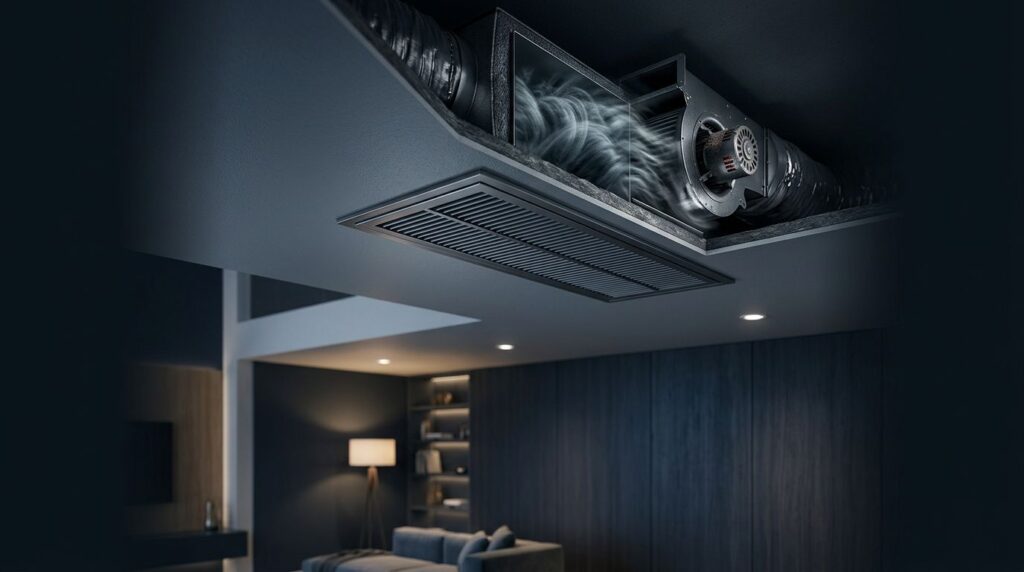
Closing air vents in a room you rarely use can seem like a way to lower energy bills and control room temperature. Closing supply vents may seem like it should push more heating or cooling into the rooms that need it.
That isn’t how most central systems work, and closing a few registers doesn’t necessarily improve energy efficiency. Your HVAC equipment and ductwork were designed to move a certain amount of air through the whole house, not around a few blocked registers.
Before shutting vents in unused rooms, it helps to see what that small change does behind the walls and above the ceiling. The equipment needs a designed airflow pattern to work as intended.
Key Takeaways
- Closing several supply vents raises static pressure instead of reliably sending more air to rooms that need it.
- Higher pressure and restricted airflow can increase duct leaks, blower strain, cooling problems, frozen evaporator coils, and furnace overheating.
- Closing supply vents rarely lowers energy bills because the unused room remains part of the home’s building envelope and the system may run longer.
- Keep supply and return vents open and clear, replace dirty filters, and check accessible ductwork before adjusting registers.
- A persistent hot or cold room needs measured airflow testing and the right repair, such as duct repairs, return-air improvements, insulation, balancing, or a properly designed zoning system.
Why Closing Supply Vents Raises Static Pressure
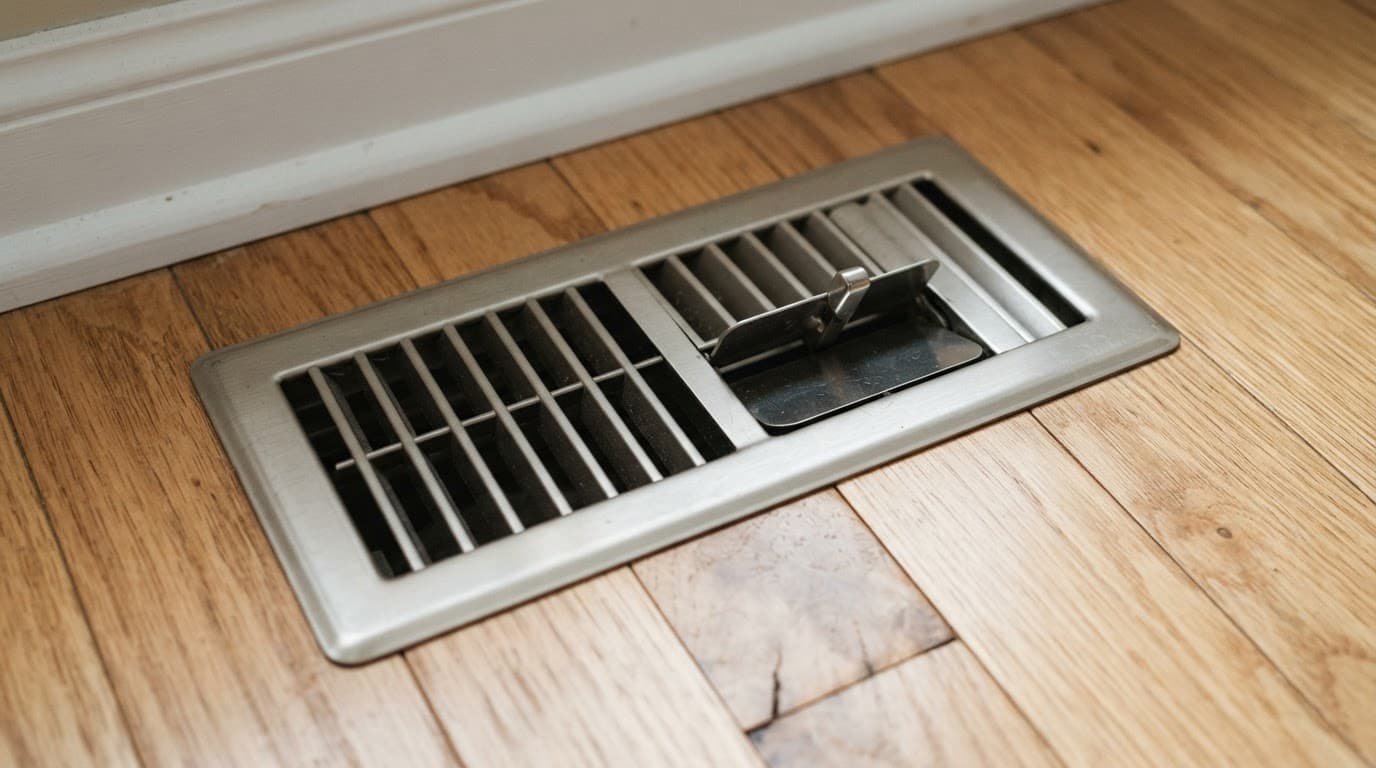
A supply vent is where conditioned air enters a room. When several close, the blower still tries to move airflow through the duct system. It now has fewer air vents available as outlets.
That resistance is called static pressure. Think of putting your thumb over the end of a garden hose. The water doesn’t magically reach a different flower bed. Pressure builds at the restriction, limiting airflow through the hose.
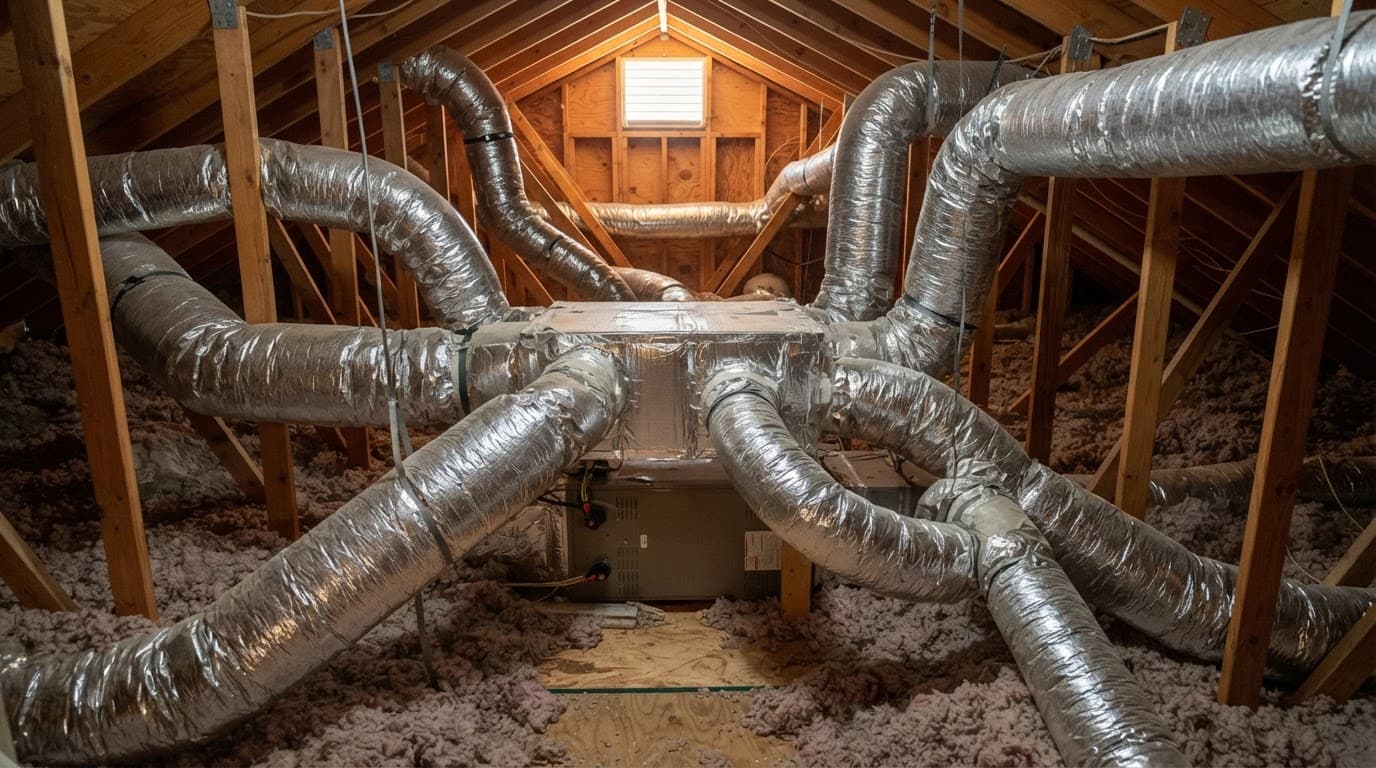
Higher duct pressure can force airflow out through loose connections, failed tape, or gaps in attic ductwork. In a West Alabama attic, that often means cooled air spills into intense summer heat before it reaches the rooms you want to cool.
More duct pressure doesn’t create extra air for the hot room. It can push conditioned air out through hidden duct leaks instead.
The blower motor still has to work against the restriction
A blower motor can’t treat a closed vent like a helpful shortcut. It works harder against restricted airflow as static pressure rises. Duct pressure also increases, while the total amount of air may fall.
That strain can make existing weak spots worse. A dirty filter, matted evaporator coil, crushed flex duct, blocked return, or undersized duct run can all add to the pressure problem.
We see this often in homes with a hot upstairs bedroom or bonus room. The vent gets closed downstairs, but the real issue is a loose attic connection, a long duct run, missing return-air capacity, or damaged insulation.
Closed Vents Rarely Lower Energy Bills
The money case for closing registers sounds reasonable at first. Why pay to condition unused rooms, such as a guest room, storage room, or back bedroom, and expect lower energy bills?
The problem is that the room is still part of your house. Closing air vents does not remove it from the building envelope, where heat can move through shared walls, ceilings, floors, and gaps under doors. The HVAC system also doesn’t know that room is “off” because a register is closed.
Instead of using less energy, reduced airflow may make the equipment run longer while dealing with higher static pressure. That can mean less comfort and more equipment wear. Longer cooling cycles may offset hoped-for savings, so this is not a dependable energy efficiency strategy.
A typical central AC setup and a heating system both need a complete airflow path through supply and return vents. A closed register is not a zoned system, which manages both paths and controls areas independently. Blocking the supply side without managing the rest of that path throws off the balance.
Restricted Airflow Can Damage Cooling and Heating Equipment
A single closed vent won’t always cause an immediate breakdown. The risk rises when several vents are shut, the filter is dirty, or the HVAC system is already marginal and added restriction raises duct pressure.
An air conditioner can lose cooling and humidity control
Your air conditioner removes heat and moisture as warm indoor air passes across the evaporator coil. In a central AC, normal cooling supports moisture removal and helps control indoor humidity.
If too little airflow crosses the evaporator coil, its temperature can drop below freezing.
Frozen coils can form on the evaporator coil and refrigerant line. The ice reduces moisture removal, raises indoor humidity, lowers cooling capacity, and may extend or disrupt cooling cycles.
Humid Tuscaloosa air conditioning problems often have more than one cause. Low refrigerant, a dirty coil, blower trouble, drainage issues, and an oversized system can also affect comfort and indoor humidity. Still, closing several vents can add enough restriction to make a marginal system fail.
If you see ice, water near the indoor unit, or weak airflow throughout the home, turn cooling off and arrange air conditioning repair in Northport. Persistent damp or sticky conditions can signal high indoor humidity, so have the evaporator coil inspected. Don’t chip ice off the coil or keep restarting the system, hoping it clears.
Furnaces need enough airflow across the heat exchanger
During heating season, the blower carries heat away from the furnace heat exchanger, helping the heating system operate safely.
Restricted airflow allows that component to get hotter than it should.
A furnace limit switch may shut the burners down to protect the equipment. You may hear the blower continue running while the vents deliver cool or lukewarm air.
Repeated overheating can damage the furnace component over time. A damaged heat exchanger is a serious safety concern because combustion gases, including carbon monoxide, must stay separated from the air circulating through your home.
If a carbon monoxide alarm sounds, leave the home and call 911 or your local fire department. Shut the furnace down and have it inspected before using it again.
Return Vents Need to Stay Open
Supply vents deliver conditioned air. Return vents pull indoor air back to the system, allowing airflow through the filter and conditioning equipment.
Never close return vents to control room temperature. Blocking one can starve the blower of air and raise overall system pressure.
Keep return grilles clear of furniture, curtains, storage bins, pet beds, and large sectionals. A blocked grille can restrict airflow. A couch pressed against one can obstruct airflow all day without anyone noticing.
Interior doors matter, too. If a bedroom has a supply vent but no dedicated return vents, closing the door can limit airflow back to the central return. A pressure imbalance may leave that room stuffy, hot, or slow to reach the desired room temperature.
Start with the safe, simple checks
Before adjusting registers, we recommend checking the basics that often correct uneven temperatures and restore airflow:
- Replace a gray, bowed, or packed filter with the correct size and type for your system.
- Open every supply register and make sure rugs or furniture aren’t covering the air vents.
- Clear the return vents and their grilles, then check that the thermostat fan setting is on “auto.”
- Look at accessible attic ducts for loose collars, crushed flex duct, duct leaks, damaged insulation, dust streaks, or failed tape.
- Keep doors open when a room has no return-air path and feels pressurized when the system runs.
Don’t use gray cloth-backed duct tape as a lasting duct repair. Heat and humidity make it dry out and fail. Proper duct repairs use secure mechanical connections, mastic, or UL 181-rated foil tape where appropriate.
Better Ways to Fix a Hot or Cold Room
A persistent hot room and uneven temperatures need a diagnosis, not a closed register. We start by finding why airflow isn’t reaching the space and whether a zoned system is appropriate.
Manual ductwork dampers can sometimes help balance airflow, but they aren’t the same as a register. Dampers are usually located near branch ducts or the main trunk line. They can affect more than one room, so fully closing one without checking return vents and testing the result can create a new problem elsewhere.
If your system has accessible manual ductwork dampers, take a photo of the starting position before touching anything. Make only a small adjustment, keep all air vents open, and watch comfort and airflow under similar weather conditions. If several rooms change for the worse, restore the original position.
A proper zoned system uses separate thermostats, motorized ductwork dampers, and controls designed around the equipment’s minimum airflow needs. A smart thermostat alone doesn’t turn a standard setup into a zoned system. A variable speed blower can modulate output, but it doesn’t make a closed register a proper zone.
For an addition, converted garage, or stubborn upstairs space, first ask whether the existing air conditioner is the right solution. Duct repairs, return-air improvements, insulation work, or proper sizing may improve indoor humidity control and moisture removal. If a separate solution is warranted, ductless mini-splits may make more sense than forcing a central AC arrangement to serve a space it wasn’t designed to handle.
When Airflow Needs Measured Testing
Some airflow issues are obvious. Others overlap, so guesswork wastes time and money.
Measurements show whether an HVAC system operates within its equipment specifications. For a central AC installation, airflow, indoor humidity, and cooling cycles can reveal more than comfort complaints alone.
A digital manometer measures static pressure at the blower for comparison with the rated limit. Duct pressure readings and register airflow can separate a weak blower motor from a restriction or layout problem.
When hidden duct leaks are suspected, a duct blaster can test the duct system under controlled pressure. The result is often reported as CFM25, meaning the airflow needed to hold the ducts at 25 Pascals. That test measures leakage, not the amount of air coming from one vent.
At Northport HVAC, our local HVAC technicians check airflow, filters, the evaporator coil, drains, blower performance, and accessible duct conditions. Variable speed equipment benefits from these checks before a major repair or replacement. A seasonal heating and cooling maintenance visit can assess evaporator coil condition, cooling performance, moisture removal, and heating system performance.
For burning smells, breaker trips, loud grinding, repeated shutdowns, or no cooling during dangerous heat, emergency AC repair may be the right next step.
Frequently Asked Questions
Is it ever okay to close a supply vent?
Closing one vent briefly may not cause an immediate problem, but it is not a dependable way to improve comfort or save energy. Closing several vents can raise static pressure and restrict the airflow the HVAC system needs.
Will closing vents lower my energy bills?
Usually, no. The room is still part of the home’s building envelope, and reduced airflow may make the system run longer while increasing equipment strain.
Should I close a return vent?
No, return vents should remain open and clear. Blocking a return can starve the blower of air, increase system pressure, and create comfort or equipment problems.
What should I do if one room stays hot or cold?
Keep the vents open and check the filter, return grilles, furniture obstructions, and accessible ductwork first. If the problem continues, have an HVAC technician measure airflow and inspect for duct leaks, sizing issues, insulation problems, or the need for a properly designed zoning solution.
Keep the Air Moving as Designed
Keep air vents open, return vents clear, and filters clean. Sound ductwork and a clear return path support designed airflow, energy efficiency, and moisture removal.
If one room stays uncomfortable, don’t punish the whole system to fix it. Find the airflow problem first, then make the repair that matches it, and monitor the room temperature.