SEER2 Ratings for a Smarter Northport AC Replacement
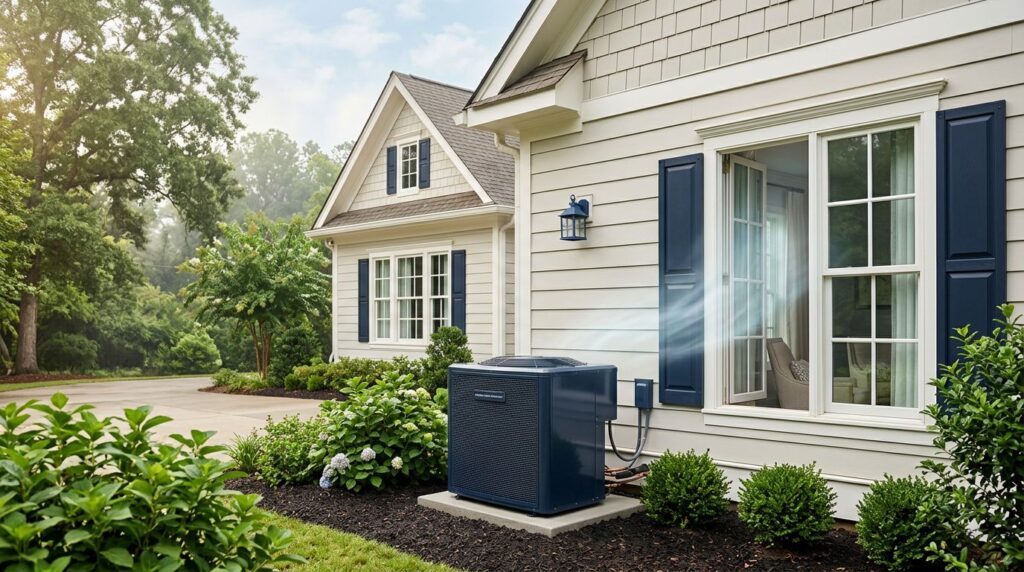
An air conditioner replacement can lower summer operating costs, but the largest number on an estimate isn’t always the best choice. SEER2 ratings help compare energy efficiency, yet they can’t account for leaky ducts, poor airflow, or incorrect sizing.
In Northport and Tuscaloosa, equipment runs through a long cooling season with humid stretches. That makes humidity and moisture control important, but proper sizing and installation still determine how comfortable your home feels.
A clear replacement estimate should connect the rating to your home’s actual cooling load.
Key Takeaways
- SEER2 measures seasonal cooling efficiency under standardized test conditions, but it does not guarantee lower utility bills in every home.
- The SEER2 testing method introduced higher blower pressure through M1 testing, so older SEER and newer SEER2 ratings should not be compared as equal numbers.
- West Alabama split-system ACs generally must meet at least 14.3 SEER2, while EER2 requirements vary by system capacity; heat pumps also use HSPF2 for heating efficiency.
- Correct sizing, airflow, duct condition, humidity control, and installation quality can matter as much as the equipment’s efficiency rating.
- Compare complete installed proposals and estimate payback using actual cooling costs, repair history, warranty details, and verified incentive requirements.
How SEER2 ratings change a Northport AC replacement
SEER2 stands for Seasonal Energy Efficiency Ratio 2. It measures how much cooling an air conditioner provides during a standardized cooling season compared with the electricity it uses, giving homeowners a consistent way to compare energy efficiency.
A higher number means equipment delivers more cooling for each watt-hour under test conditions. For example, a 16 SEER2 system is more efficient than a 14.3 SEER2 system when both serve the same cooling load and have comparable features.
However, a SEER2 rating doesn’t guarantee lower utility bills. Thermostat settings, schedules, a smart thermostat, insulation, crawl-space moisture, duct leakage, filter condition, and equipment sizing all affect actual energy use.
A high-efficiency condenser cannot overcome an airflow problem inside the house. If the return duct is undersized or the evaporator coil is dirty, the new system will still work harder than it should.
Why SEER became SEER2 in 2023
The Department of Energy required the new SEER2 testing standard on January 1, 2023. This change did not make older equipment suddenly inefficient. It changed the testing method used to rate new equipment.
The key update is called M1 blower testing. Traditional SEER testing used an external static pressure of 0.1 inches of water gauge. SEER2 testing raises that test pressure to 0.5 inches of water gauge.
That difference matters because ductwork resistance builds as air moves through filters, coils, grilles, bends, and duct runs. The M1 procedure better reflects the pressure a blower may face in a typical installed HVAC system.
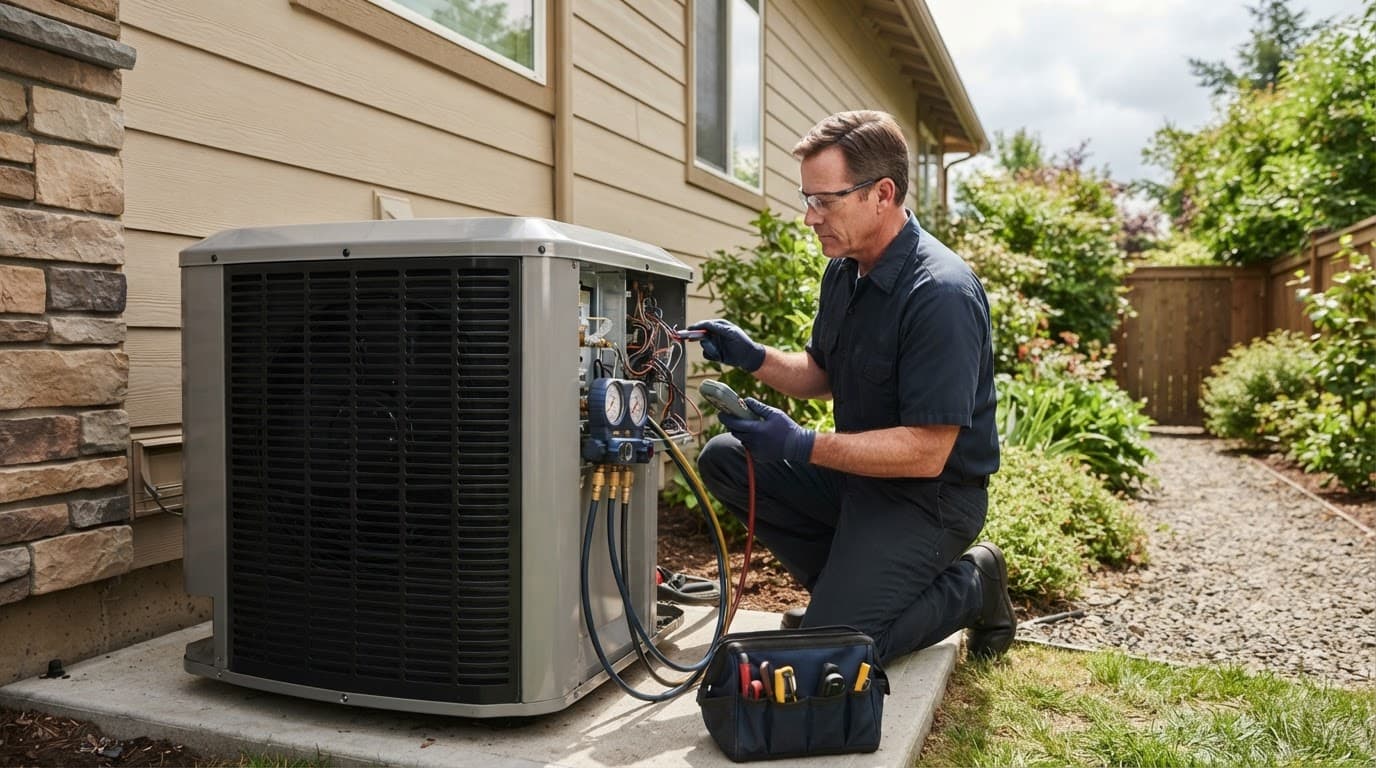
Because the test is tougher, a unit’s SEER2 number usually looks lower than its older SEER number. There is no reliable one-number conversion for every model. Compare equipment using its listed SEER2 and EER2 values, along with heating ratings, instead of assuming an older 16 SEER label equals 16 SEER2.
Minimum SEER2 ratings for West Alabama systems
Alabama is part of the Southeast efficiency region. For central AC, the federal minimum also depends on capacity.
| System type | Southeast minimum |
|---|---|
| Split system AC under 45,000 Btu per hour | 14.3 SEER2 and 11.7 EER2 |
| Split AC at 45,000 Btu per hour or more | 14.3 SEER2 and 11.2 EER2 |
| Split-system heat pump | 14.3 SEER2 and 7.5 HSPF2 |
These figures establish minimum efficiency standards for new equipment, not guaranteed energy efficiency from a poorly sized or installed system.
Packaged units follow separate requirements, so the official efficiency certificate for the specific model controls.
A 14.3 SEER2 system meets the required floor in West Alabama, but it is not a universal recommendation for every household.
For many homes, we compare the installed price of a 14.3 SEER2 system with models rated around 15.2 or 16 SEER2. If your current system runs heavily from May through September, the higher rating may justify its added price.
Higher-efficiency options may offer more value when you also need better humidity control, quieter operation, or more even temperatures. Still, a modest-efficiency unit with proper sizing, airflow, duct condition, and installation can outperform a more expensive system.
SEER2 and EER2 measure different summer conditions
SEER2 measures efficiency across a range of temperatures during the cooling season. EER2, or Energy Efficiency Ratio 2, measures cooling efficiency at a fixed outdoor temperature of 95 degrees Fahrenheit.
That makes EER2 useful for evaluating performance during Northport’s hottest weather. It can indicate stronger performance when the system works through repeated 95-degree afternoons.
SEER2 remains the better measure for comparing seasonal energy efficiency. EER2 adds useful context, but it should not replace seasonal comparisons. We recommend reviewing both numbers on models with similar capacity and features.
A heat pump also includes an HSPF2 rating. HSPF2 measures seasonal heating efficiency, so it matters when one system is intended to provide both heating and cooling.
Variable-speed equipment improves comfort when the home supports it
Many higher SEER2 ratings reflect improved energy efficiency from two-stage or variable-speed compressors. Unlike single-stage equipment, a variable-capacity model can reduce its cooling output when the home needs less cooling.
Longer, lower-output cycles remove more moisture from indoor air. This can improve indoor comfort at a slightly higher thermostat setting and reduce cooling demand.
Variable-speed indoor blowers can also run more quietly and maintain steadier airflow. In our Tuscaloosa air conditioning work, these features help homes that feel cool but clammy during humid weather.
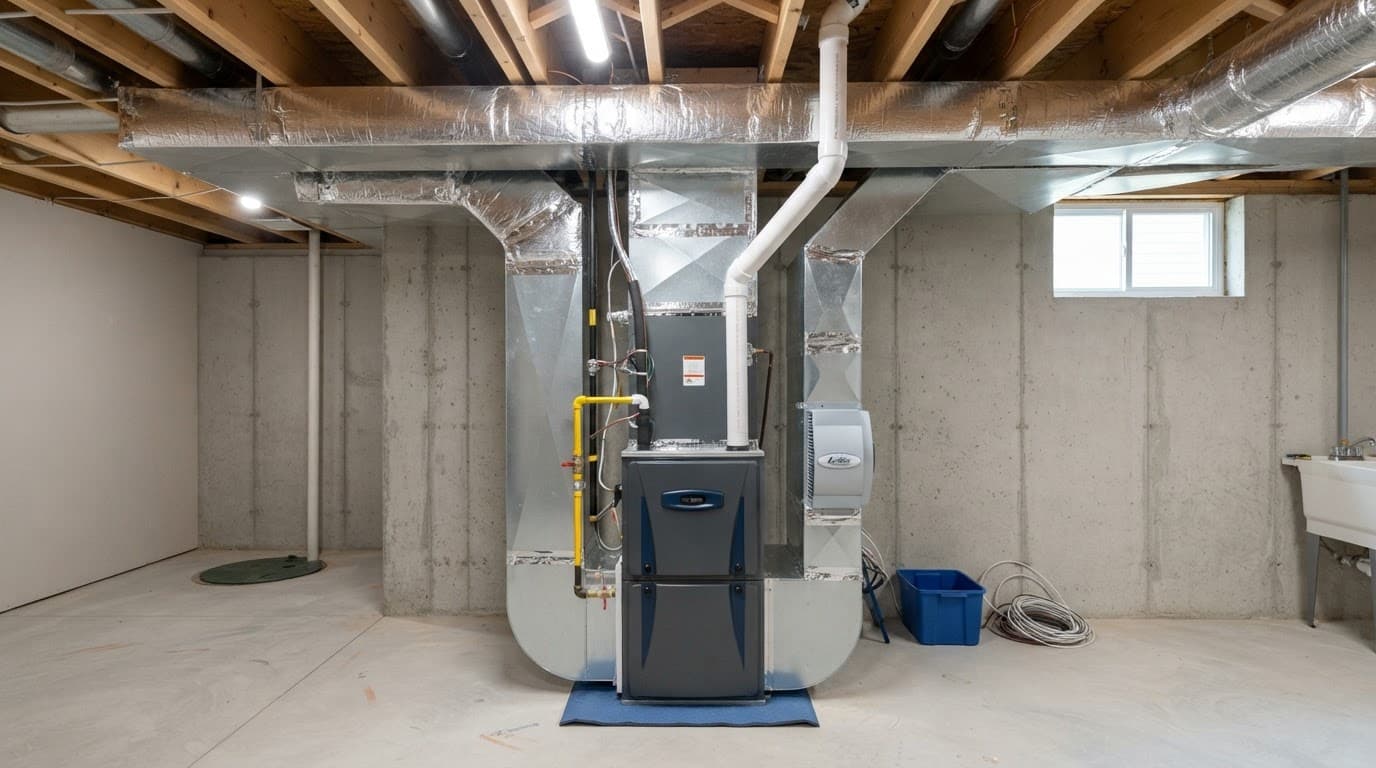
Single-stage units still make sense for many properties. They have a lower initial price and can provide dependable cooling when sizing, duct design, refrigerant setup, and drainage are correct.
Before choosing equipment, local HVAC technicians should assess the full HVAC system, not just the outdoor unit. A proper evaluation includes the home’s cooling load, accessible ductwork, return-air capacity, electrical requirements, thermostat placement, condensate drainage, and static pressure.
Northport HVAC installs and services Trane, Carrier, Rheem, Lennox, Goodman, and Mitsubishi mini-split equipment. Our licensed, insured, NATE-certified team also provides a 1-year labor warranty on new installations, alongside applicable manufacturer parts coverage. For a measured system assessment, see our Tuscaloosa air conditioning services.
Estimate payback before paying for higher efficiency
A higher rating can lower operating costs, but payback depends on the upfront cost, expected operating savings, and how often your current system runs. We recommend comparing complete installed proposals, not condenser prices alone.
For the same seasonal cooling load, a 16 SEER2 system uses about 16% less cooling energy than a 13.4 SEER2 system under standardized testing conditions. The calculation is 1 minus 13.4 divided by 16.
That result applies to tested cooling energy use, not your whole-home power bill. Lighting, appliances, water heating, weather, and your home’s condition are separate costs.
Use this simple process before deciding:
- Gather 12 months of electric bills and identify the peak cooling months.
- Ask for the exact model numbers, efficiency ratings, warranty details, and total installed price for each option.
- Compare projected annual cooling costs using the same sizing assumptions for every proposal.
- Divide the added installed cost by the estimated yearly energy savings to find a rough payback period.
Also account for repair history. If an older unit needs frequent service, its replacement value includes more than lower energy use. Homeowners comparing a repair with replacement can review these signs your air conditioner needs repair before approving a major expense.
Avoid making a rushed equipment decision during an emergency AC repair. A failed compressor, recurring refrigerant issue, weak airflow, or repeated short cycling deserves a diagnosis before anyone recommends a new system.
Federal credits and rebate claims need current verification
Tax credits are time-sensitive, so verify current law and effective dates before publication. Under current guidance, the federal HVAC credit expanded by the Inflation Reduction Act is unavailable for equipment placed in service after December 31, 2025.
Under the prior credit, qualifying central cooling equipment could receive up to $600, while a qualifying heat pump could receive up to $2,000. Eligibility depended on the exact equipment, certification, installation date, and rules in effect, not SEER2 ratings alone.
Local utility offers, state-administered programs, and federal rebates may change, include income rules, or run out of funds. Verify availability, requirements, funding limits, and deadlines in writing, and don’t include an expected rebate in your payback calculation without confirmation.
Ask for the AHRI certificate, manufacturer model numbers, installation invoice, and incentive terms. These records help you compare equipment accurately and support any available claim.
Frequently Asked Questions
What does a SEER2 rating measure?
SEER2 measures how much cooling an air conditioner provides compared with the electricity it uses over a standardized cooling season. It helps compare equipment, but actual energy use also depends on sizing, ductwork, thermostat settings, insulation, airflow, and installation quality.
How is SEER2 different from the older SEER rating?
SEER2 uses the updated M1 blower test, which applies higher external static pressure than the older SEER test. Because the testing conditions changed, there is no reliable one-number conversion between a unit’s SEER and SEER2 ratings.
What is the minimum SEER2 rating for an AC in West Alabama?
For split-system central ACs in the Southeast region, the federal minimum is generally 14.3 SEER2. EER2 requirements vary by capacity, and split-system heat pumps also have an HSPF2 requirement; the exact model certificate should control.
Will a higher SEER2 rating always reduce my electric bill?
No. A higher SEER2 system can use less cooling energy under comparable conditions, but savings depend on the home’s cooling load, operating schedule, duct leakage, airflow, thermostat settings, and equipment sizing. Compare the added installed cost with realistic annual savings before choosing a higher rating.
Are variable-speed systems worth the higher price?
They can improve humidity control, sound levels, and temperature consistency by running longer at lower output when the home supports that operation. A properly sized and installed single-stage system may still provide dependable comfort at a lower initial price.
Choose efficiency that fits the whole home
SEER2 ratings give you a fairer way to compare modern equipment, especially under real-world duct pressure. In West Alabama’s heat and humidity, the rating is only one part of a successful replacement. Correct sizing, clean airflow, and proper moisture management matter just as much.
The right AC replacement fits your home’s needs, operating costs, and indoor comfort. A careful assessment now can prevent years of high bills, weak airflow, and uneven cooling.