Should You Cover Your Outdoor AC Unit in Alabama Winter?
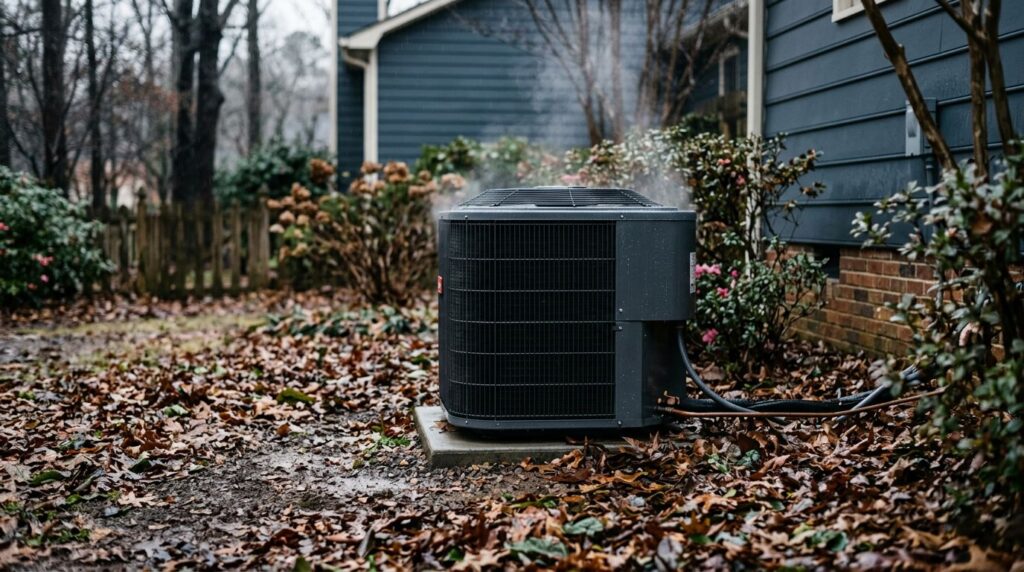
A full air conditioning cover can create more problems for your outdoor unit than cold rain ever will. In Northport and Tuscaloosa, winter weather is usually mild and wet, with snow and ice less important than moisture, falling leaves, and tree debris.
If you’re considering an air conditioning cover, you may wonder whether to cover outdoor AC unit equipment during the winter months. For most homes, an air conditioning cover isn’t needed, so the short answer is no. Conventional systems stay dormant, while systems that also provide heat may need different guidance; keep equipment open so airflow lets moisture escape.
Key Takeaways
- Most conventional outdoor AC units in Alabama do not need a full air conditioning cover during winter.
- Full covers can trap moisture, encourage mold and corrosion, attract rodents, and restrict airflow if the system is started while covered.
- Heat pumps should never be covered because they may run throughout winter and need open airflow for heating and defrost cycles.
- Keep leaves, pine needles, shrubs, and storm debris away from the unit, and use only a raised, top-only shield when falling debris creates a real risk.
- Arrange HVAC service if you notice chewed wiring, bent fins, unusual sounds, breaker trips, warm air, or repeated shutdowns after a cover was left on.
Should You Use an Air Conditioning Cover on the Condenser in Winter?
Most conventional air conditioner condenser units are built for outdoor life. During the cooling process, they release heat through the condenser coils. The exterior cabinet, wiring, and refrigerant components are designed for normal outdoor exposure, so an air conditioning cover isn’t necessary.
A standard outdoor unit that stays off during the winter months doesn’t need plastic, vinyl, or fitted fabric wrapped around it. An air conditioning cover can trap moisture against metal parts and encourage mold growth. A full air conditioning cover also creates a dark space where pests can settle in.
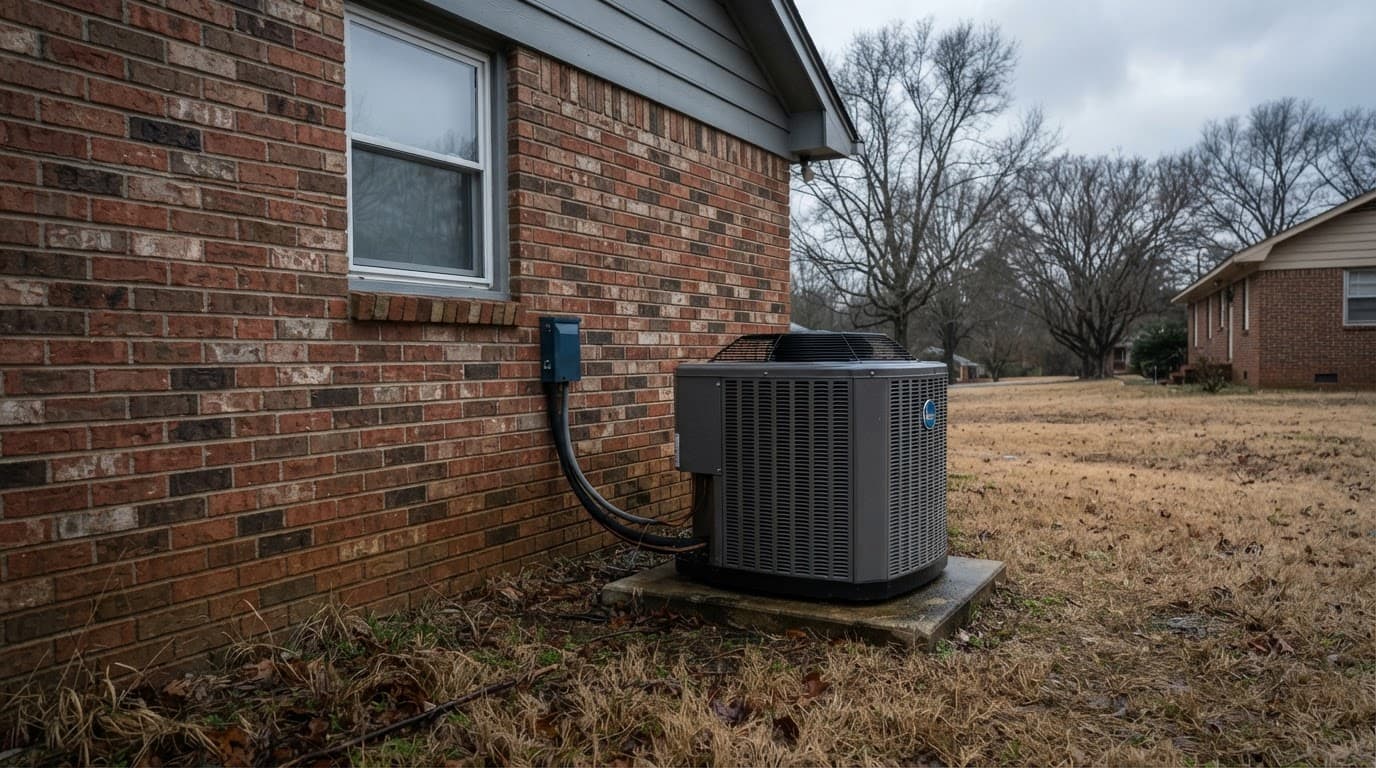
Keep the sides of an outdoor AC unit open instead of using an air conditioning cover, so airflow can move through the coils, ventilation remains clear, and moisture can escape.
Heat Pumps Need Different Treatment
A heat pump should never be covered during an Alabama winter because it may run every day. Unlike a conventional air conditioner, a heat pump provides both heating and cooling by moving heat between your home and the outdoor air.
During cold or damp weather, a heat pump may enter a defrost cycle to clear frost from its outdoor coil. Steam rising from the unit during defrost is often normal. However, a cover blocks airflow and can interfere with the fan, coil, and defrost operation.
If your home has a heat pump, keep leaves and loose debris away from it all season. Don’t place a board, tarp, or decorative enclosure over the top.
An air conditioning cover can cause a heat pump to overheat, damage its fan, or strain its compressor when the thermostat calls for heat.
Why a Full Air Conditioning Cover Causes Problems
Thin aluminum fins on the outdoor condenser coils pull air across refrigerant tubing during the cooling process. That airflow lets the system release heat during cooling or collect heat during a heat pump heating cycle. An air conditioning cover can block this path.
A full air conditioning cover also turns the cabinet into a humid enclosure after rain, fog, or heavy dew. Moisture that would normally dry can stay trapped around the condenser coils, fasteners, and wiring.
Over time, that trapped moisture can lead to rust and corrosion. Moisture may also support mold growth on dirty coil surfaces and organic debris inside the cabinet.
Rodents and mice also prefer an air conditioning cover because it offers a dry-looking shelter with protection from predators. Moisture trapped inside can make the space more inviting and support mold growth. They can drag in leaves, insulation, and nesting material. Worse, they may chew wire insulation or damage small electrical connections.
We’ve seen spring startup calls where the equipment itself was fine, but rodent damage caused an expensive electrical repair. An air conditioning cover can also hide that damage until the first hot day.
Another risk is simple forgetfulness. If someone turns on the air conditioner while the outdoor unit remains covered, the fan can’t move enough airflow through the cabinet. The system can quickly overheat and shut down, or damage a component.
Safer Ways to Protect an Outdoor Unit
Alabama homeowners usually get better results from basic outdoor care than from an air conditioning cover. Routine maintenance and clear space keep debris away, while storm inspections reduce direct impact without requiring a protective cover.
For a conventional air conditioner that stays off during the winter months, the condenser unit usually needs no air conditioning cover. Unlike dormant cooling equipment, a heat pump remains active during heating and needs continued clearance and maintenance:
- Turn the thermostat to heating or off before the season changes. Avoid running cooling during a winter warm spell without considering outdoor conditions.
- Clear leaves, pine needles, and tree debris from around the exterior cabinet to limit trapped moisture. Keep shrubs trimmed so they don’t press against the coil fins.
- Inspect the top grille after storms. Remove loose debris by hand, but don’t pry into the fan assembly or bend the grille.
- If a tree limb or roof ice could create falling debris, use an air conditioning cover only as a rigid top-only cover, such as a raised plywood shield above the grille. The shield must leave every side open and mustn’t be fastened through the unit. For a dormant system, remove the air conditioning cover before spring startup to keep moisture from lingering.
- Check the indoor filter, especially when the system runs for heating. A dirty filter restricts airflow throughout the system. Follow a sensible schedule for changing your HVAC filters based on pets, dust, and filter type.
Don’t wrap the unit with a tight mesh screen, since it can restrict operation.
A decorative metal enclosure can replace an air conditioning cover if it provides ample, manufacturer-approved clearance. Keep that clearance on every side and above the unit. Tight slats, solid walls, and dense shrubs may look tidy, but they can starve the condenser of airflow when summer returns.
When Outdoor HVAC Problems Need Service
A little rain or frost usually won’t hurt an outdoor unit. Still, trapped moisture under an air conditioning cover can hide rust and corrosion. Call for service if you find chewed wiring, crushed coil fins, a bent fan grille, or tree debris resting on the condenser unit.
You should also arrange AC repair in Northport, AL if an air conditioning cover was left on and the system behaves unusually. Grinding or buzzing sounds, breaker trips, warm air, and repeated shutdowns after startup also warrant inspection and may require repair services. Our guide to common air conditioner warning signs can help you decide when a repair visit makes sense.
For Tuscaloosa air conditioning and heat pump concerns, local HVAC technicians should inspect electrical components, refrigerant performance, and coil condition. They should also check the HVAC system’s drains, airflow, and trapped moisture if an air conditioning cover was left on. At Northport HVAC, our licensed and insured NATE-certified team provides straightforward heating and cooling service across Northport, Tuscaloosa, Coker, Samantha, and nearby West Alabama communities.
Emergency AC repair is also available when damage or a sudden system failure can’t wait.
Frequently Asked Questions
Should I cover my outdoor AC unit during an Alabama winter?
Usually, no. Conventional outdoor AC units are designed to withstand normal outdoor exposure, while a full cover can trap moisture and create a shelter for pests.
Can I cover a heat pump in winter?
No, a heat pump should remain uncovered because it may run daily for heating and must complete defrost cycles. A cover can block airflow and interfere with the fan, coil, or compressor.
How can I protect my outdoor AC unit from winter debris?
Clear leaves, pine needles, and branches from around the cabinet, and inspect the top grille after storms. If falling branches or roof debris are a concern, use a raised top-only shield that leaves every side open.
What happens if I accidentally run the AC while it is covered?
A full cover can restrict airflow and cause the system to overheat, shut down, or damage a component. Turn the system off, remove the cover, and arrange service if you notice unusual sounds, breaker trips, or repeated shutdowns.
When should I call an HVAC technician?
Call for service if you find chewed wiring, rust, crushed coil fins, a bent fan grille, or debris resting on the unit. Unusual noises, warm air, electrical problems, and repeated shutdowns also require professional inspection.
A Better Winter Plan for Alabama Homes
Your outdoor unit is designed to live outside, so a full air conditioning cover usually does more harm than good. It can trap moisture and cause damage throughout Alabama’s winter months, especially during severe winter weather.
Keep the cabinet clear and leave its sides exposed. Use an air conditioning cover only as a raised top shield when roof debris threatens an air conditioner.
For heat pumps, never use an air conditioning cover that blocks operating airflow. For reliable heating and cooling, leave the unit uncovered rather than adding an air conditioning cover, supporting seasonal efficiency in Alabama.