Why Your Air Conditioner Smells Like Vinegar
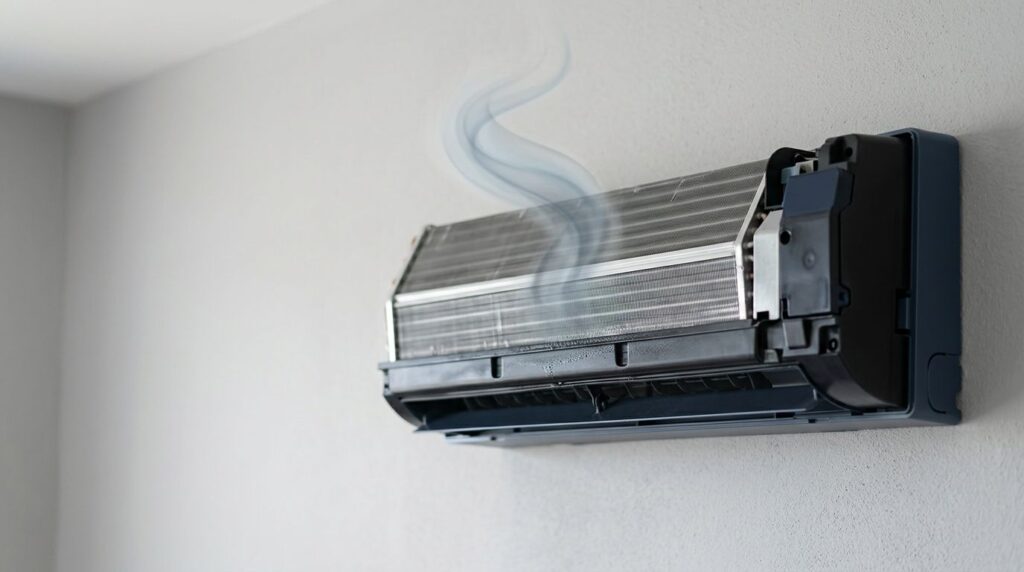
A sharp, sour blast from the vents isn’t part of normal cooling. When an air conditioner smells like vinegar, moisture and organic buildup inside the system are usually the first things we check.
In Northport and Tuscaloosa, high humidity in West Alabama keeps moisture and organic buildup active. The odor may be faint at first, then hit harder every time the AC starts. The good news is that many vinegar-like AC odors have a clear source and a fix.
Key Takeaways
- A vinegar-like AC odor usually comes from moisture, biofilm, mold, or bacteria near the evaporator coil, drain pan, or condensate line.
- Start by checking the filter, clearing return grilles, and confirming that condensate drains outside during a cooling cycle.
- Never use bleach, commercial drain openers, or harsh household cleaners on HVAC components, and don’t cover the odor with fragrances.
- Turn the system off and call for professional help if you notice standing water, visible mold, ice, weak airflow, burning smells, electrical odors, or recurring sour smells.
When Your AC Has a Vinegar Odor, Start Here
First, note when the odor appears. If it starts during the cooling process, the issue is likely near the indoor evaporator coil, condensate drain, or pan.
Pay attention to when the sour smell appears. If you smell it even with the thermostat set to “Off,” the source could be a damp wall, a floor drain, trash, pet bedding, or another household issue. Run the fan by itself for a few minutes. A smell that appears during fan-only operation can point to the return side of the system or ductwork.
A vinegar odor that shows up only in cooling mode usually points to the indoor coil and condensate path, not the outdoor unit.
Don’t cover the smell with candles, sprays, or plug-in fragrances. Those products may hide the warning sign while moisture keeps building inside the equipment.
Why a Sour AC Smell Usually Starts With Moisture
Your AC pulls humidity from indoor air as it cools. Water forms on the cold evaporator coil, then moves into a drain pan and out through the drain line. That process is normal.
The problem starts when dust, algae, or other debris collect in a damp spot. That moisture can create conditions for mold and bacteria, encouraging bacterial growth and odors that seem sour, musty, or stale. Some homeowners describe it as vinegar and feet.
Biofilm on evaporator coils, the pan, or the drain line
The indoor coil has hundreds of thin fins that hold moisture during a cooling cycle. When airflow is poor or the coil is dirty, debris can mix with moisture and form a sticky layer called biofilm. Restricted airflow can also cause excess condensation, leaving the coil wetter than intended.
That film can support mold and bacteria, especially during long, humid Alabama summers. A clogged condensate drain can leave stagnant water in the pan instead of letting it leave the house.
A dirty filter can add to the problem
A clogged air filter doesn’t usually create the vinegar odor by itself. It restricts airflow, though, which can leave the coil colder and wetter for longer than it should be.
Check for a gray, bowed, or matted filter. Replace it with the correct size and type during a filter change. An overly dense filter left in place too long can also restrict airflow.
Keep return grilles clear, too. A large sectional, curtains, pet beds, or storage bins against a return can choke airflow throughout the house.
What the Smell May Be Telling You
Odors can overlap, so the smell alone can’t confirm a failed part. This quick comparison helps separate a moisture issue from a problem that may need professional diagnosis.
| What you notice | Likely concern | Best next move |
|---|---|---|
| Sour, musty, or dirty-sock odor | Moisture and microbial growth near the coil or drain | Check the filter and drainage path |
| Hot plastic, burning rubber, or fishy odor | Electrical component issues, such as overheated wiring, a motor, or a capacitor | Turn the system off and call for service |
| Hissing with weak cooling or ice | Refrigerant, airflow, or pressure problem | Leave the system off and schedule diagnosis |
| Sour smell when the AC is off | A source outside the HVAC system | Check nearby rooms, drains, and damp materials |
Refrigerant leaks should never be diagnosed by odor alone. Most modern refrigerants have little smell, and a sour odor isn’t a reliable refrigerant warning. Ice on the lines, weak airflow, hissing, oily residue, or warm air are better reasons to have the system tested.
An older air conditioner also doesn’t create ozone merely because of its age. An ionizer or air-cleaning device can produce ozone, especially if the odor began after activation. Check its manual and have the equipment inspected.
How to Remove a Vinegar Smell From Your AC Safely
If your air conditioner smells like vinegar but is still cooling normally, start with the simple steps. Stop and call for help if you find standing water, visible mold, ice, damaged wiring, or a burning smell.
- Turn the thermostat off, then start with a filter change if the filter is dirty. Make sure the replacement fits snugly without bending or forcing it into place.
- Open supply registers and clear furniture or clutter away from every return grille. Don’t close several vents to push more air into one room. That often creates more pressure and airflow trouble.
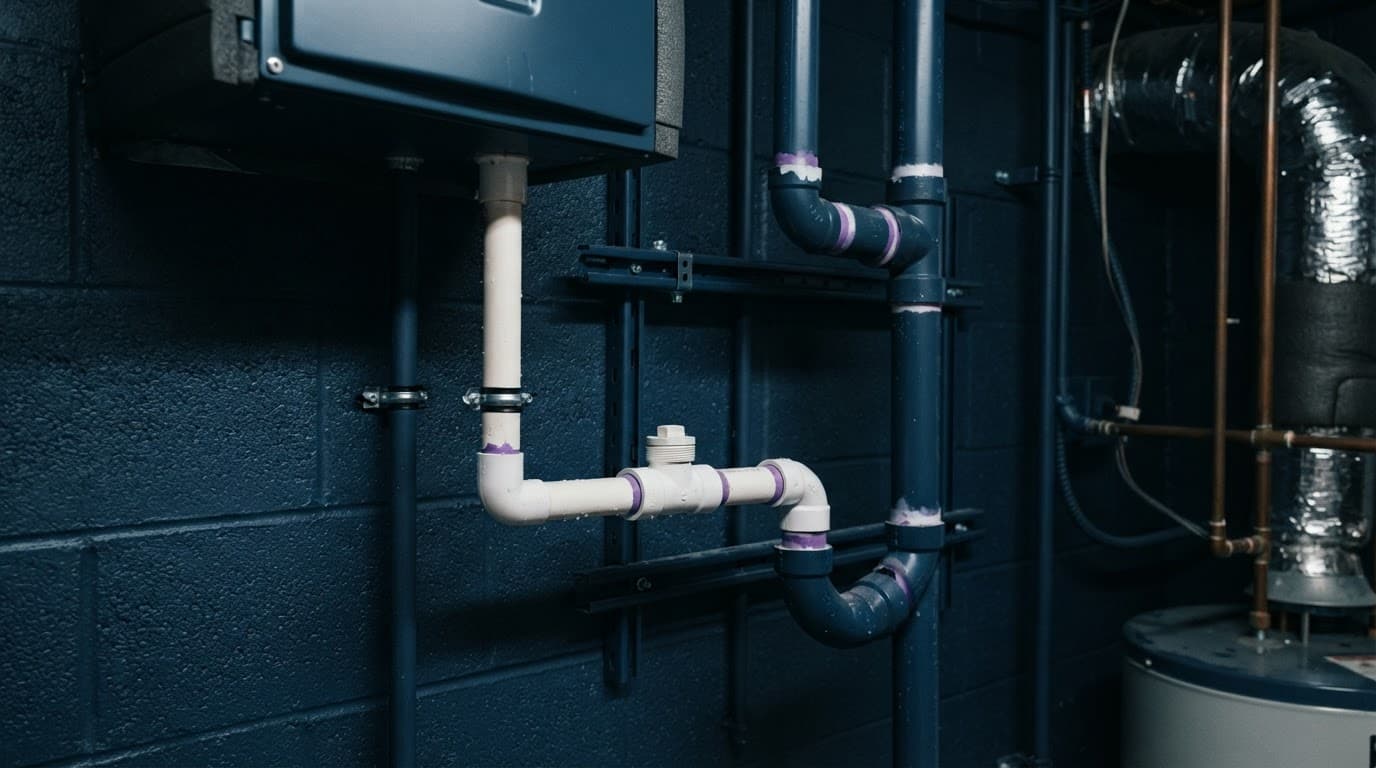
- Find the condensate drain outlet outside your home, if it is accessible. Use a wet-dry vacuum on the pipe opening for a minute or two to pull out loose slime and debris.
- If your system has an accessible vertical drain cleanout and the equipment manual allows it, slowly pour in one cup of distilled white vinegar. Let it sit for about 30 minutes, then flush the line with plain water. Do not add vinegar if the pan is overflowing or water is already backed up.
- Skip bleach, commercial drain opener, and harsh coil chemicals. They can damage components, create fumes, or leave you with a bigger repair.
- Restart the system and check that water drains outside during a cooling cycle. If the odor returns quickly, the coil, pan, blower area, or a deeper blockage may need professional attention.
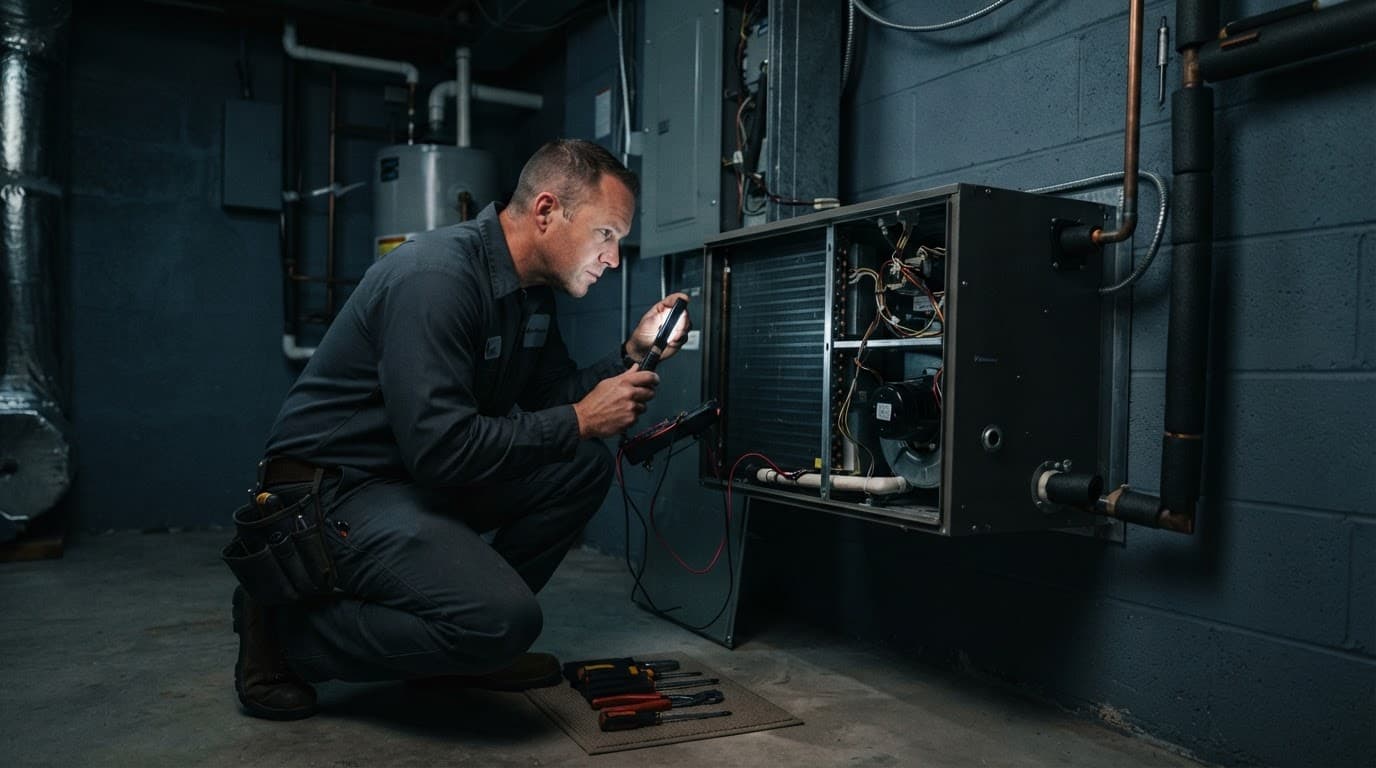
A technician can clean accessible components with approved HVAC products and verify drainage. They can check airflow and determine whether professional cleaning of the coil, pan, or blower area is needed. If the odor returns quickly, ask about drain line blockages.
Duct cleaning may help with heavy dust or renovation debris, but it won’t repair a clogged drain or dirty evaporator coil.
A note about car AC odors
For a car ac smelling like vinegar, start by replacing the cabin air filter and running the fan for a few minutes after parking.
Use only an automotive evaporator cleaner made for your vehicle’s system. Don’t spray household cleaners into dash vents. If the odor persists, an automotive shop can inspect the evaporator drain and confirm that water isn’t sitting inside the HVAC case.
A Brand-New Unit That Smells Like Vinegar and Feet
Brand-new air conditioner units shouldn’t have a lasting sour or foot-like odor. A brief new-material smell can happen after installation, but musty or acidic odors should not continue.
Sometimes a new outdoor condenser connects to existing indoor equipment or a return box with dust and moisture issues. A blocked drain, incorrect drain connection, or short cycling can leave excess condensation behind.
Ask the installing contractor for the air conditioning maintenance schedule. Have them inspect the coil, drainage, airflow, and humidity control. At Northport HVAC, our new system installations include a 1-year labor warranty alongside applicable manufacturer parts warranties, so prompt inspection is better than waiting for the odor to fade.
Odors That Need AC Repair Instead of DIY Cleaning
Turn the system off at the thermostat and breaker if the smell is hot, electrical, or like melting plastic. Don’t reset the breaker repeatedly or remove equipment panels to inspect the wiring.
Call for help right away if you notice any of these signs:
- The AC smells hot and makes buzzing, grinding, or loud rattling noises.
- A breaker trips, the system shuts down, or the thermostat loses power.
- Water leaks around the air handler, the ceiling is stained, or the drain pan is overflowing.
- The coil freezes, airflow drops, or the unit blows warm air.
For service in Northport, AL, and nearby communities, local AC repair technicians can safely test electrical parts, airflow, refrigerant performance, and drainage. The same applies to Tuscaloosa air conditioning systems that need urgent HVAC service during a hot afternoon.
Keeping the Sour Smell From Coming Back
Start with a filter change each month until you know how quickly your home loads the filter with dust and pet hair. Homes with pets, smokers, construction dust, or frequent summer use often need filters replaced more often.
Routine heating and air conditioning maintenance gives local HVAC technicians a chance to provide system maintenance by inspecting the drain line, evaporator coil, blower performance, electrical connections, and thermostat operation before a small moisture issue becomes a no-cooling call.
We recommend keeping outdoor debris away from the condenser and leaving indoor return vents open. Clean drainage and good airflow help the coil drain and dry as designed. They also support better indoor air quality and steadier comfort through West Alabama’s humid weather.
Frequently Asked Questions
Why does my air conditioner smell like vinegar?
A sour or vinegar-like odor usually means moisture and organic buildup are present near the evaporator coil, drain pan, or condensate line. Dust, algae, mold, and bacteria can form biofilm in these damp areas.
Can a dirty AC filter cause a vinegar smell?
A dirty filter typically does not create the odor by itself, but it can restrict airflow and leave the coil colder and wetter. Replacing the filter with the correct size and clearing blocked return grilles may help reduce the moisture problem.
Is it safe to pour vinegar down my AC drain line?
If the drain has an accessible cleanout and the equipment manual allows it, slowly pouring distilled white vinegar into the line may help with light buildup. Do not do this if the pan is overflowing or water is backed up, and avoid bleach, drain opener, and harsh coil chemicals.
When should I call an HVAC technician about the smell?
Call for professional service if the odor returns quickly or you see standing water, visible mold, ice, damaged wiring, weak airflow, or a burning smell. Turn the system off and seek help immediately for hot electrical odors, breaker trips, or melting-plastic smells.
A Clean Drain Beats an Air Freshener
A vinegar smell usually means moisture has found a place to sit inside the system. Start with the filter, airflow, and condensate drainage before assuming the whole unit is failing.
A sour odor that keeps coming back deserves a real diagnosis, not a stronger fragrance. Northport HVAC can inspect the source and recommend AC repair options before work begins.