How We Clean an Outdoor AC Unit Safely
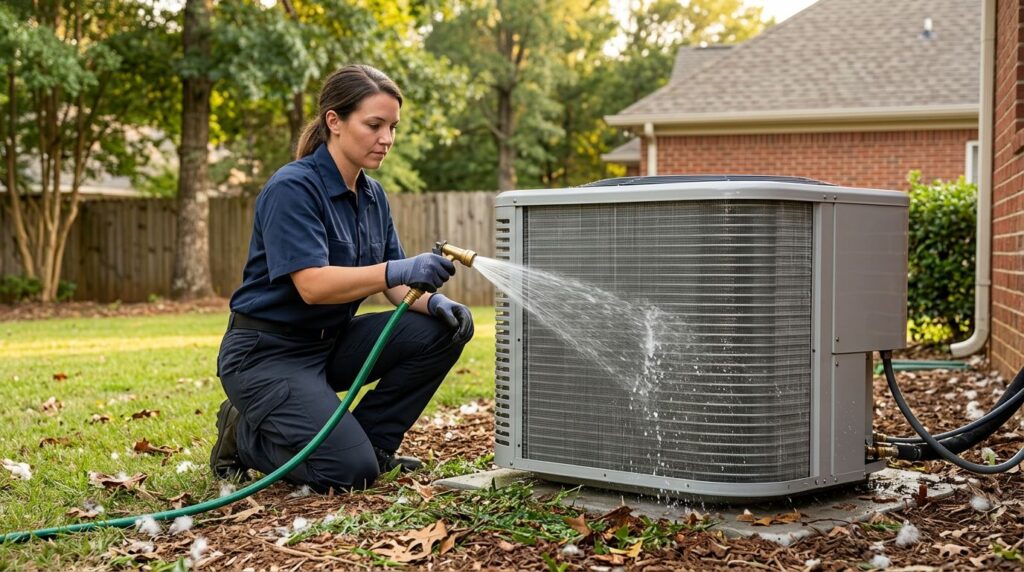
A dirty condenser can make an air conditioner work harder through a West Alabama summer. Grass clippings, cottonwood fluff, mulch, and leaves can blanket the unit before we notice.
When we clean outdoor AC unit components regularly, we help restore proper airflow and protect the system from overheating. Taking the time to wash the condenser coils is essential for maintaining energy efficiency when the temperature climbs. We should never treat the unit like a driveway or blast it with a pressure washer, as a gentle touch is always best.
A little seasonal care prevents strain on your cooling system, and it also helps us spot potential trouble that needs the attention of a trained technician.
Key Takeaways
- Restore Airflow: Removing debris like grass clippings, leaves, and cottonwood from condenser coils allows the system to shed heat efficiently, preventing overheating and reducing energy consumption.
- Use a Gentle Touch: Never use a pressure washer or harsh chemicals on your unit; always clean with a soft brush, a low-pressure garden hose, and gentle motions to avoid damaging the delicate metal fins.
- Prioritize Safety: Always turn off power to the unit at the thermostat, the outdoor disconnect box, and the electrical panel before beginning any maintenance to prevent electrical hazards.
- Identify When to Call a Pro: While routine cleaning improves efficiency, it cannot fix mechanical failures like low refrigerant, faulty capacitors, or electrical issues; contact a technician if you notice persistent noises or a lack of cooling after cleaning.
Why a Clean Outdoor Unit Matters
The outdoor unit acts as the primary component for heat exchange, responsible for releasing the heat pulled from inside your home. Its thin metal condenser coils need open space and steady airflow to perform this job effectively.
When debris packs against these condenser coils, heat stays trapped around the system. This obstruction forces the compressor and fan to run for longer periods, which negatively impacts your cooling performance. If the system has to work harder to compensate, you may notice indoor temperatures creeping up during the hottest part of the day, which ultimately leads to higher utility bills.
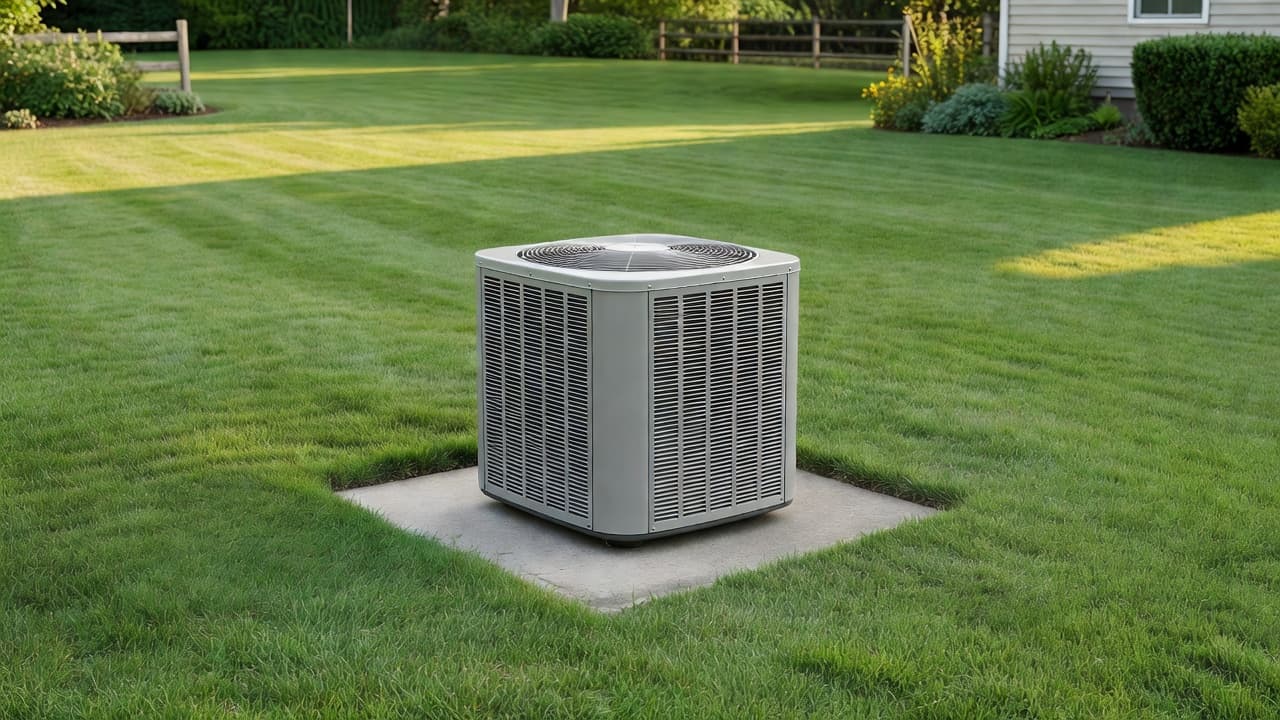
A clean outdoor unit will not solve every cooling problem. Issues like low refrigerant, a failing capacitor, a dirty indoor evaporator coil, or ductwork trouble still require a professional diagnosis. However, keeping the system clear is a vital step toward maintaining optimal energy efficiency and removing a common source of unnecessary strain.
We often see blocked units after spring mowing, summer storms, and long stretches of falling leaves. An outdoor unit tucked behind shrubs can suffer from poor airflow even when the rest of the yard looks neat.
The fins on an outdoor AC unit are delicate. Gentle water and a soft brush work better than force.
Keeping the area clear also makes it easier to hear new sounds. Persistent buzzing, grinding, screeching, or banging is not part of normal operation. Shut the system down and arrange service if those noises continue.
For a larger problem, same-day AC repair in Northport and Tuscaloosa can prevent a minor failure from becoming a long, uncomfortable night.
Shut Off Power Before We Start Cleaning
Water and electrical equipment do not mix. Turning the thermostat to off is a good first move, but it does not always remove power from the outdoor unit.
To turn off power effectively, start at the thermostat. Then, locate the outdoor disconnect box usually mounted on the wall near the condenser. Pull the disconnect handle or turn the switch off to turn off power completely. For extra security, locate your electrical panel and flip the AC circuit breaker to the off position. If you cannot identify the correct breaker or disconnect with confidence, stop and call local HVAC technicians.
Before you begin, gather these items:
- A garden hose with a standard spray nozzle
- Work gloves and eye protection
- A soft brush or a shop vacuum
- Pruning shears for nearby plants
- A fin comb that matches the spacing of the coil fins
We should not use a pressure washer, wire brush, leaf blower at close range, or harsh AC coil cleaner from a hardware store. High-pressure water can flatten fins and force dirt farther into the coil. Strong chemicals can damage metal parts, landscaping, and nearby concrete.
Bleach is also a poor choice. It is not needed for ordinary outdoor dirt, and it can create more trouble than it solves.
Give the unit enough room to breathe. Remove debris like leaves, pine straw, mulch, and loose grass from the pad. Trim shrubs and branches back according to the clearance requirements in the equipment manual.
Do not stack patio furniture, pool supplies, trash cans, or lawn equipment beside the condenser. That tight space restricts airflow every hour the system runs.
The Safe Way to Wash the Condenser Fins
With the power off, we can start at the top of the unit. Remove loose leaves and debris from the protective grille by hand. We should wear gloves because sharp metal edges and hidden insects are both common.
Next, use a soft brush to gently remove debris from the outside of the condenser coils. We should move in the same direction as the fins, usually up and down. Scrubbing sideways can fold the thin aluminum strips together. A vacuum with a soft brush attachment can also lift dry dust from accessible areas, but we should avoid pressing the attachment against the condenser coils.
Once loose material is gone, you can use a garden hose with low, steady pressure to rinse off the unit. Spray the coil from the outside, working across small sections from top to bottom. If the unit is particularly dirty, you might choose to apply a foaming cleaner or a dedicated AC coil cleaner according to the product instructions. Let the water rinse off the cleaning solution and debris, allowing it to flow down to the base.
We should keep the stream aimed at the fins, not the electrical compartment, disconnect box, or fan motor. Don’t flood the top grille. A normal hose spray is enough.
Many homeowner guides suggest lifting the top fan assembly to clean from the inside. We shouldn’t do that without training. The fan wiring can be short, fragile, and easy to damage. A slipped panel can bend fins or create an electrical problem when power returns.
If you notice bent fins, they need patience. If a few are lightly crushed, a properly sized fin comb can straighten them. We should work slowly and stop if the metal starts tearing. If you encounter significant areas of bent fins, it is often better to leave them alone or call for professional repair, as large sections of flattened metal usually call for professional cleaning.
We should never remove sealed panels, disconnect wires, or try to wash internal components. Trane, Carrier, Rheem, Lennox, Goodman, and Mitsubishi systems all have different cabinet designs. The equipment manual matters.
After rinsing, we can inspect the base of the unit. Standing water, oily residue, damaged insulation, loose wires, or a visibly cracked refrigerant line are reasons to leave the system off and call for help.
Restart the System and Watch What Happens
After the coil is clean, we should make sure the electrical area is dry. Restore power at the breaker and outdoor disconnect. Then wait about five minutes before setting the thermostat back to cooling.
That pause helps protect the compressor from a quick restart. Once the outdoor unit is running, we should listen and look without opening panels.
The outdoor fan should turn smoothly. Air leaving the top of the unit should feel warm when the AC has been running. Indoors, the supply vents should begin delivering cooler air within a reasonable time.
We should pay attention to these warning signs:
- The breaker trips after the unit starts.
- The fan does not run or sounds unusually loud.
- The system blows warm air after running.
- Ice forms on the refrigerant line or indoor equipment.
- Water collects near the indoor air handler.
- The system starts and stops repeatedly.
- A burning smell, sharp electrical odor, or loud buzzing appears.
Cleaning the condenser does not fix a failed contactor, capacitor, motor, compressor, or refrigerant leak. It can also expose a problem that debris had hidden. If you notice any of these persistent issues, or if the system is not cooling properly despite a clean coil, a qualified HVAC technician should check the unit to ensure refrigerant levels are correct and that the internal components are functioning as expected.
If cooling stops during extreme heat, we should shut the system off rather than force it to run. Emergency AC repair is the better choice when the equipment is overheating, tripping power, or making damaging noises.
Northport HVAC provides AC repair Northport AL homeowners can rely on when a routine cleaning reveals a real equipment failure. We also serve Tuscaloosa air conditioning customers, along with Coker, Samantha, and surrounding West Alabama communities.
Keep Dirt From Coming Back
A spring cleaning before the first long cooling stretch is a practical habit. We should also check the outdoor unit after major storms, lawn work, and heavy leaf fall. Adopting regular maintenance helps prevent debris buildup and ensures your system operates at peak efficiency throughout the year. As the cooling season winds down, learn whether covering your outdoor AC unit in winter helps or hurts before buying a full cover.
Mowing creates more trouble than many homeowners expect. We should point the mower chute away from the condenser and avoid trimming directly against it. Fresh grass clippings can stick to damp fins like a wet blanket.
The outdoor unit is only one part of the system. Protecting the lifespan of your unit requires attention to internal components as well, as a packed air filter limits airflow and makes the whole heating and cooling system work harder. We can review when to change HVAC filters in Alabama and choose a maintenance schedule that fits pets, occupants, and filter type.
Professional service goes beyond rinsing a coil. A qualified technician can check electrical connections, condensate drainage, thermostat operation, refrigerant performance, coils, and airflow. Engaging in regular maintenance matters when one room stays warm while another feels fine, as it allows pros to catch small issues early.
For landlords and property managers, a quick exterior inspection before peak summer heat can prevent avoidable tenant calls. It also gives us time to address concerns before a small airflow issue becomes an emergency.
Northport HVAC technicians are licensed, insured, and NATE-certified. We provide clear pricing before approved repairs begin, with no hidden fees or pressure to replace equipment that still has a sensible repair path.
Frequently Asked Questions
How often should I clean my outdoor AC unit?
It is best to perform a thorough cleaning once in the spring before the heat of summer arrives. Additionally, you should periodically inspect the unit after major storms, lawn mowing, or heavy leaf fall to ensure the area remains free of obstructions.
Can I use a pressure washer to clean the coils faster?
No, you should never use a pressure washer on an air conditioner. High-pressure water can easily flatten the thin aluminum fins, which restricts airflow and forces your system to work significantly harder.
Why is my AC unit blowing warm air even after I cleaned it?
Cleaning the condenser coils only addresses airflow restrictions; it does not resolve issues with the internal mechanical components. If you still have warm air, you likely have a deeper problem like low refrigerant, a faulty compressor, or a broken fan motor that requires professional diagnosis.
Is it safe for me to open the top of the AC unit to clean inside?
No, homeowners should not attempt to remove the top fan assembly or access the internal cabinet. These areas contain fragile wiring and electrical components that can be easily damaged, and improper handling can pose a significant safety risk.
A Clean Unit Is a Good Start
We can safely clean outdoor AC unit components by shutting off power, clearing debris, using gentle water, and leaving electrical work alone. The goal is to ensure open airflow rather than achieving a spotless cabinet.
A clean condenser helps your outdoor unit shed heat efficiently, but it cannot repair worn parts or diagnose a mechanical cooling failure. When the system still struggles after a careful cleaning, a professional inspection is the next sensible step.